Deck Railing Ideas: 12 Designs That Add Safety and Style
Deck railing ideas are about more than looks. A railing stops falls, keeps kids and pets contained, and — in most jurisdictions — is a legal requirement for any deck that sits 30 inches or more above grade. Get the railing wrong and you get a failed inspection, a fine, or a liability headache. Get it right and it quietly frames the whole view from your back door.
The good news is that today’s options go far beyond the pressure-treated spindle rails you see on older homes. You can buy code-compliant railing kits at a home center for a few hundred dollars, or spend several thousand on a custom glass or stainless-cable system. Either way, the same rules apply: pick a style that matches your home, budget for the material you can actually maintain, and install to code.
Below are twelve practical deck railing ideas, organized by material and budget, with real cost ranges and the trade-offs for each.
Why Your Railing Choice Matters
Railings are structural, not decorative. In the U.S., the International Residential Code (IRC) requires guards on decks more than 30 inches above the ground, with a minimum height of 36 inches for residential decks (42 inches in some states and in Canada). Balusters must be spaced so a 4-inch sphere can’t pass through, and the whole assembly must resist a 200-pound lateral load at any point.
That last number matters more than people realize. A cheap railing that wobbles when you lean on it is a code violation waiting to happen — and it’s one of the first things a home inspector flags when you sell. Spending a little more on a solid post system now saves you from redoing the job in five years.
You’ll also want to match the railing to your deck’s structure. A lightweight cable rail needs posts anchored into the deck framing, not just screwed to the rim board. Glass panels need frames strong enough to handle wind load. If your deck was built before 2015, check the post spacing before you commit to a specific system — some modern railing kits assume 6-foot post centers, while older decks often sit at 8 feet.
Classic Wood Deck Railing Ideas
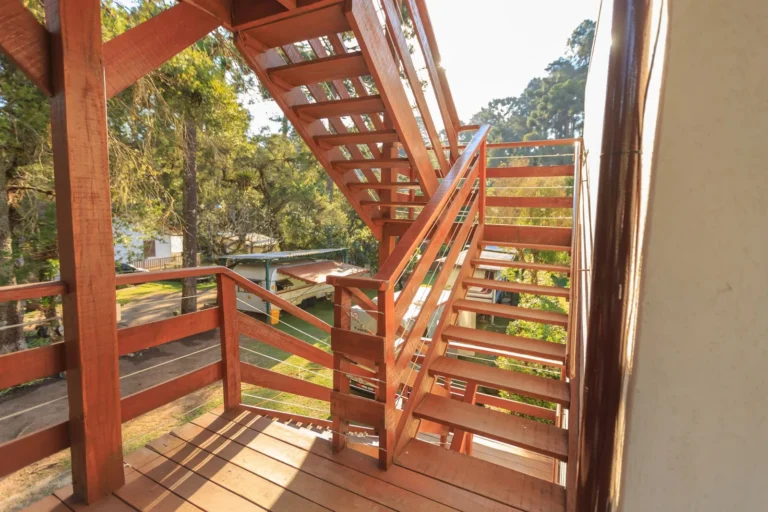
Wood remains the most popular railing material because it’s affordable, easy to work with, and easy to match to a wood deck. A pressure-treated pine railing system typically runs $8 to $15 per linear foot for materials, while cedar, redwood, or tropical hardwoods run $15 to $30 per linear foot.
The classic design is a 2×4 or 2×6 top and bottom rail with 2×2 vertical balusters spaced 4 inches apart. From there, a few upgrades change the look completely:
- Square balusters instead of turned spindles for a cleaner, more modern profile.
- A wide drink rail — a flat 2×6 cap — so guests can set down a glass without a table.
- Horizontal boards in place of vertical balusters, popular in coastal and farmhouse styles (check local code; some areas restrict horizontal rails because they’re climbable).
- Cedar or redwood with a clear sealer rather than paint, which lets the grain show and fades to a soft silver-gray over time.
The main downside of wood is upkeep. Pine needs restaining every two to three years, and even cedar benefits from a wash and reseal annually. If you’d rather not spend weekends sanding, skip ahead to composite or aluminum.
Photo by Dylan Leagh via Pexels
Modern Metal and Cable Deck Railing Ideas
For a contemporary home, metal railing delivers a slim profile that almost disappears from a distance. Two materials dominate this category.
Aluminum railing kits run $25 to $45 per linear foot installed, or $15 to $30 per linear foot for the kit alone. They come powder-coated in black, white, or bronze, install quickly with hidden brackets, and never need painting. The trade-off is that cheap aluminum can feel flimsy; look for a kit with a reinforced top rail and at least 2-inch-square posts.
Steel railing — usually cable rail or a welded grid — is the pricier, heavier-duty option at $60 to $150 per linear foot installed. Stainless-steel cable railing has become the default for homes with water or mountain views because the nearly invisible horizontal cables don’t block the sightline. Expect to pay $80 to $200 per linear foot for a professional cable system once you factor in the tensioning hardware and posts, which must be spaced closer together (typically 4 feet) to keep the cables taut.
A middle-ground option that’s gained traction is black metal balusters with a wood top rail. You keep the warmth of a wood cap but replace the fiddly wood spindles with low-maintenance powder-coated balusters, usually $10 to $15 per baluster.
Glass, Composite, and Low-Maintenance Options
If your priority is zero maintenance or an unobstructed view, three more deck railing ideas are worth a look.
Composite railing pairs a composite or aluminum top rail with composite balusters and posts. It’s colorfast, won’t splinter, and wipes clean with soap and water. Kits run $30 to $60 per linear foot. Brands like Trex and TimberTech offer matching railing lines to their decking, which makes the whole deck look intentionally designed rather than pieced together.
Glass railing is the showpiece option at $150 to $400 per linear foot installed. Tempered glass panels set into aluminum or stainless posts give a completely clear view. The catches: it shows every fingerprint and rain spot, and you’ll need to clean the panels regularly to keep them looking sharp. In windy or dusty climates, glass can become a chore rather than a luxury.
Vinyl (PVC) railing sits at the budget end of low-maintenance, around $20 to $40 per linear foot. It’s light, never needs painting, and resists rot — but it can look plastic up close and doesn’t carry the structural stiffness of aluminum or steel. For a rental property or a deck you rarely use, vinyl is a sensible, cheap pick.
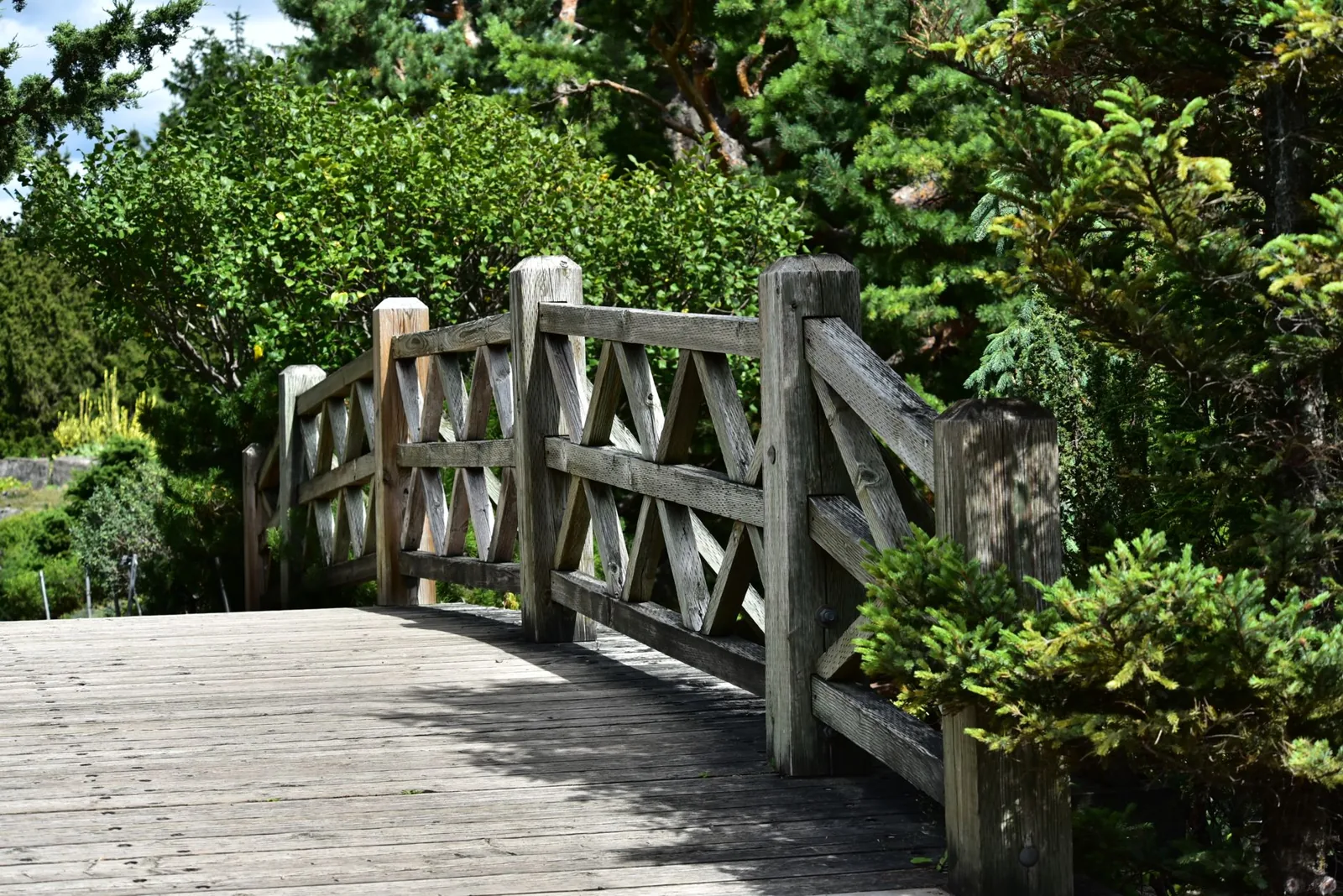
Photo by pham duyminh via Pexels
Deck Railing Ideas by Budget
Here’s a quick way to compare the main options at a glance. Costs are per linear foot, including a typical professional installation where noted.
| Feature | Wood (Pine/Cedar) | Aluminum Kit | Composite | Cable / Glass |
|---|---|---|---|---|
| Material cost | $8–$30 | $15–$30 | $30–$60 | $80–$200+ |
| Installed cost | $20–$45 | $25–$45 | $45–$90 | $150–$400 |
| Maintenance | High (restain) | None | Low (wash) | Low–moderate |
| View blockage | High | Medium | Medium | Minimal |
| Best for | Classic/wood decks | Modern, low upkeep | Matching composite decks | Waterfront/views |
How Much Do Deck Railings Cost?
Budgeting for a railing depends on three things: material, linear footage, and whether you install it yourself or hire out.
For a typical 12-by-16-foot deck, you’ll have roughly 56 linear feet of railing (three sides, accounting for the stairs and the house wall). That works out to:
- Wood: $450–$2,500 depending on species and finish
- Aluminum kit: $850–$2,500 installed
- Composite: $1,700–$5,000 installed
- Cable or glass: $4,500–$22,000 installed
Labor for professional railing installation typically runs $15 to $35 per linear foot, plus $50 to $150 per post for setting and anchoring. Stairs add cost quickly because each stair run needs angled rails and custom-cut balusters; budget an extra $300 to $800 per stair section.
One cost most homeowners forget is the posts. If your existing deck lacks properly anchored 4×4 posts, you’ll need to add them or retrofit surface-mounted post bases, which can add $500 to $1,500 to the project. Before you buy any kit, confirm your post spacing and framing condition.
Building Codes and Safety Rules to Follow
Whatever deck railing ideas you’re drawn to, code comes first. The key numbers to remember:
- Height: 36 inches minimum for residential guards (42 inches in some local codes and in Canada).
- Baluster spacing: no opening may pass a 4-inch sphere.
- Load: the guard must resist 200 pounds of lateral force applied at any point.
- Stairs: handrails are required on stair runs with four or more risers, and stair rails have their own height and grip requirements.
- Horizontal rails: some municipalities restrict or prohibit horizontal or cable railings where children are present because they act as a ladder.
If you’re doing the work yourself, check with your local building department before buying materials — some require a permit for railing replacement, and an inspector will want to see the load rating on the railing system you chose. This Old House has a solid guide to deck railing codes and spacing that’s worth a read before you start. For a step-by-step on installing a simple wood railing, the Family Handyman walkthrough covers the full process.
If your deck is in rough shape, the railing might not be your first priority. A rebuilt or brand-new deck opens up different railing and layout options, so it’s worth reading up on floating deck ideas and how to build a deck on the ground before you commit to a railing system.
Frequently Asked Questions
What is the cheapest deck railing option?
Pressure-treated pine with 2×2 balusters is the cheapest at $8 to $15 per linear foot in materials. Vinyl and basic aluminum kits are the cheapest low-maintenance choices. Keep in mind that cheap wood costs more over a decade once you factor in staining every few years.
Do I need a railing on a low deck?
If your deck is less than 30 inches above the ground, most U.S. codes don’t require a guard. Below that height, a railing becomes a design choice rather than a legal one. That said, many homeowners add a low railing anyway for looks or to keep kids and dogs from stepping off the edge.
Can I install deck railing myself?
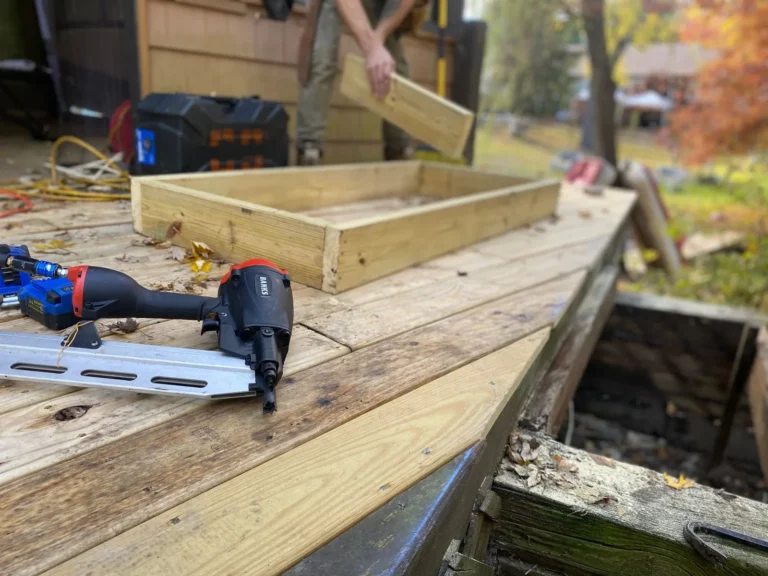
Yes, and it’s one of the more approachable DIY deck projects. Pre-built railing kits from brands like Trex, Deckorators, and Westbury bolt together with basic tools. The hard parts are getting posts plumb and properly anchored; if you’re unsure about the framing, hire out the post work and install the rails yourself.
How far apart should deck railing posts be?
Most railing kits are engineered for posts spaced 6 feet on center or less. Cable rail systems usually need 4-foot spacing to keep cables from sagging. Always follow the manufacturer’s spacing tables, not the old “8 feet is fine” rule of thumb.
Do I need a permit to replace deck railing?
It depends on your municipality. Replacing a railing on an existing deck is often treated as a repair and may not need a permit, but swapping out a guard for a different system — or changing height or baluster spacing — can trigger one. A quick call to your local building department is the safest bet.
The Bottom Line
The best deck railing ideas balance three things: code compliance, the maintenance you’ll actually do, and a look that matches your home. If you want the lowest up-front cost, go with pressure-treated wood and a simple square-baluster design. If you never want to paint again, an aluminum or composite kit pays for itself in saved weekends. And if the whole point of your deck is the view, cable or glass railing is the only way to keep it open.
Whichever way you go, anchor the posts properly and check your local spacing and height rules before you buy. A railing is a safety system first and a style statement second. Get both right and it’s the finishing touch that pulls the whole deck together. For more on the structures that go around and under your deck, take a look at our guides to pergola cost per square foot and covered deck ideas.