Cedar Fence vs Pressure Treated: Which Wood Fence Is Right for Your Yard?
If you’re pricing out a new privacy fence, you’ve almost certainly hit the same fork in the road as every other homeowner: cedar fence vs pressure treated pine. Both are wood, both hold a stain, and both will give you a tall, solid backyard barrier. But they are not the same product, and the differences show up in your wallet, in your weekend maintenance schedule, and in how the fence looks five years down the line.
Here’s the short version. Cedar fence vs pressure treated boils down to this: cedar is a naturally rot-resistant softwood that costs more upfront but looks better and lasts longer with less effort. Pressure-treated pine is a cheaper, chemically treated softwood that’s tough and serviceable, but it warps more, needs more upkeep, and rarely matches cedar’s warm, even finish.
The right choice depends on your budget, your climate, and how much maintenance you’re actually willing to do. Below, we break down cost, lifespan, appearance, and upkeep so you can decide with your eyes open.
Cedar Fence vs Pressure Treated: The Short Answer
Before we get into the weeds, here’s the one-paragraph version. If you want the best-looking, lowest-maintenance wood fence and you can stretch the budget, buy Western Red Cedar. If your priority is getting a solid fence up for the least money and you don’t mind sealing and replacing a few boards over the years, pressure-treated pine is the practical pick.
Neither is a bad choice. The mistake most people make isn’t picking one over the other — it’s not knowing what they’re signing up for with the one they chose. The sections below cover exactly that.
| Feature | Cedar Fence | Pressure-Treated Fence |
|---|---|---|
| Material cost (per linear foot) | $8–$18 | $5–$12 |
| Installed cost (per linear foot) | $15–$30 | $12–$25 |
| Typical lifespan | 15–30 years | 15–20 years |
| Rot & insect resistance | Natural (oils and tannins) | Chemical (copper-based treatment) |
| Warping and movement | Low | Moderate to high |
| Appearance | Warm, even, knot-free boards | Greenish tint that fades, more knots |
| Maintenance | Seal every 3–5 years | Seal every 2–3 years, more board replacement |
| Best for | Curb appeal, low upkeep, staining | Tight budgets, large runs, utility fencing |
What Is a Cedar Fence?
Cedar is a softwood prized for the natural oils and tannins in its heartwood, which make it resistant to rot, decay, and insects without any chemical treatment. The gold standard for fencing is Western Red Cedar, though Eastern white cedar and Alaskan yellow cedar also show up regionally. A few familiar brands and suppliers — think CedarSafe, Real Cedar, and lumber yard house brands — sell kiln-dried cedar boards graded specifically for fencing.
The thing that makes cedar stand out is dimensional stability. Cedar is naturally low in moisture content and moves very little as it dries, so boards stay flat and straight instead of cupping and twisting. That’s a big deal for a privacy fence, where a warped board opens a visible gap you’ll stare at every time you walk past it.
The tradeoff is price and softness. Cedar costs noticeably more than pine, and it’s a softer wood, which means it dents more easily and needs stainless or hot-dipped galvanized fasteners. Plain steel nails will react with cedar’s tannins and leave black streaks running down every board.
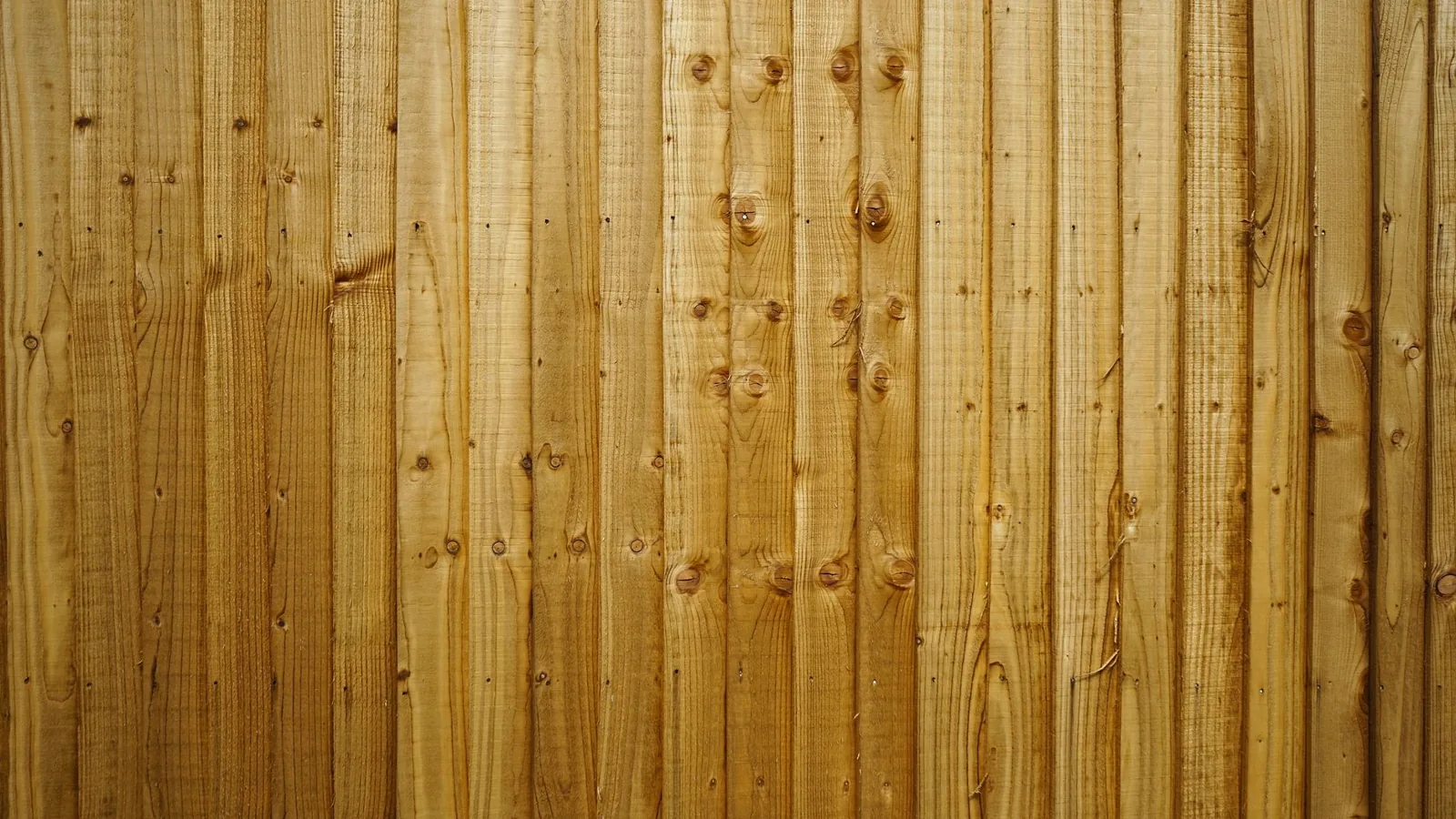
Photo by Mike Bird via Pexels
What Is a Pressure-Treated Fence?
Pressure-treated lumber is usually Southern yellow pine that’s been loaded into a sealed cylinder and saturated with a water-based preservative under pressure. The modern standard is a copper-based treatment — brands like YellaWood, ProWood, and MicroPro all use variations of it — that penetrates deep into the wood and protects it against rot, termites, and fungal decay.
The treatment works, and that’s the honest appeal of pressure-treated pine. It’s genuinely resistant to the things that kill untreated wood in contact with soil and weather, and it does it for a fraction of cedar’s price. For a long run of fence — say 200 or 300 linear feet — the savings on pressure-treated pine can be several thousand dollars.
The downsides are equally real. Fresh pressure-treated pine is green and heavy with moisture, and as that moisture leaves the boards shrink, cup, and twist. A pressure-treated fence that looks straight on install day will very often develop waves, gaps, and popped nails within a year or two. The green tint also fades unevenly, and the boards are full of knots and grain that show through a stain in a way cedar’s clean face doesn’t.
Cost: What You’ll Actually Pay
This is where the cedar fence vs pressure treated decision usually gets made, so let’s put real numbers on it. These are installed ranges for a standard 6-foot-tall privacy fence in the US as of recent seasons, and they’ll move a bit with lumber prices and your local labor market.
Material only, per linear foot:
- Pressure-treated pine pickets, rails, and posts: roughly $5–$12
- Western Red Cedar pickets, rails, and posts: roughly $8–$18
Installed, per linear foot:
- Pressure-treated pine: $12–$25, so a 150-foot yard runs about $1,800–$3,750
- Cedar: $15–$30, so the same 150-foot yard runs about $2,250–$4,500
A few things shift those numbers fast. Post material matters — cedar posts are pricey, so some contractors set pressure-treated posts and hang cedar pickets and rails on top to save money while keeping the cedar look at eye level. Gate hardware, site prep, and disposal of the old fence all add up too. If you’re building it yourself, you can knock a big chunk off the labor, but for a full picture of what a run costs, see our breakdown of fence cost per linear foot.
The honest takeaway: cedar runs about 30–50% more than pressure-treated pine. Over a 15-year lifespan, that premium can be a few hundred dollars a year for a fence that looks better and demands less of your time. Whether that’s worth it is a judgment call, not a math problem.
Lifespan and Maintenance
A well-built cedar fence lasts 15 to 30 years, and a pressure-treated pine fence lasts 15 to 20 years. The spread depends almost entirely on two things: how the posts are set and whether anyone bothers to seal the wood.
Both woods want their posts set in concrete with gravel at the bottom so water drains away from the post end. That single detail adds more years to a wood fence than the choice between cedar and pine ever will. Get the post right and the fence outlasts the average mortgage; get it wrong and even cedar rots out at the ground line in under a decade.
Sealing is where the two diverge. Cedar should be sealed with a penetrating stain or oil-based sealer — Penofin and Ready Seal are both solid picks — every 3 to 5 years. Pressure-treated pine needs it more often, every 2 to 3 years, and it will still show more movement and more cracked boards in between. Plan on replacing a handful of pickets on a pine fence every few seasons; with cedar, board replacement is rare.
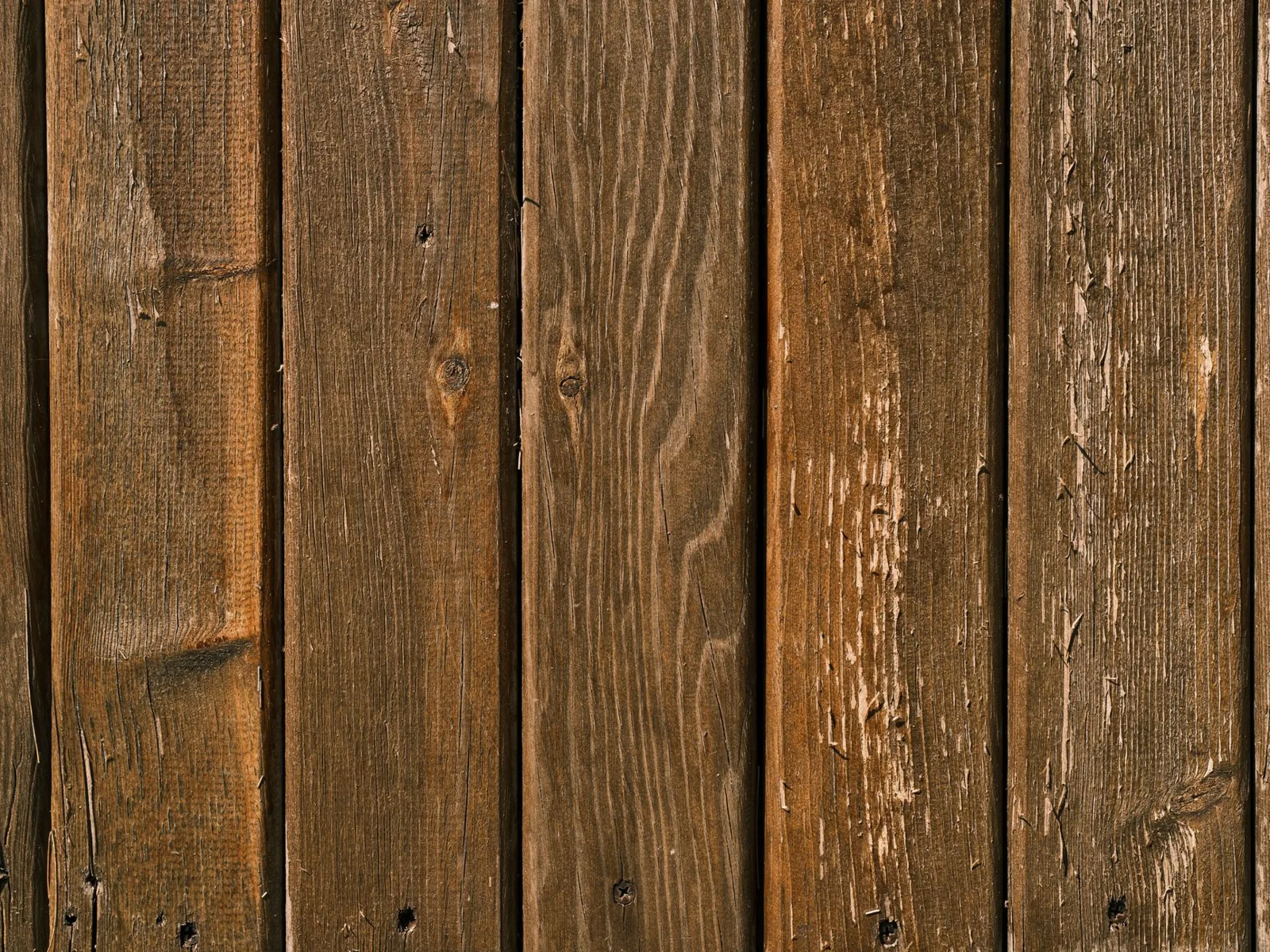
Photo by Engin Akyurt via Pexels
Appearance and Curb Appeal
If you care about how the fence looks — and most people do, since a privacy fence is usually the single biggest visual element of a backyard — cedar wins this one without much of a fight.
Cedar boards come out of the mill with a warm reddish-tan color, a fine even grain, and few knots. Left to weather naturally, cedar turns a silver-gray that a lot of homeowners actually like. Stained, it holds color evenly because the surface is clean and consistent. Pressure-treated pine starts green, weathers to a dull gray-brown, and carries the knots, streaks, and wavy grain that make stains look patchy. You can absolutely stain pine and have it look decent, but it takes more prep and the result is never quite as smooth.
Cedar is also the more forgiving material if you’re after a specific style. A horizontal fence built from cedar reads as a clean, modern design statement, while the same design in pine tends to telegraph the cheaper material. For inspiration on the finished look, browse our privacy fence ideas.
How to Choose: A Practical Checklist
Still on the fence? Here’s the decision in a few quick tests:
- Budget under $2,000 and a long run to cover? Pressure-treated pine is the sensible call.
- Staining or keeping the natural wood look? Cedar stains and weathers far more evenly.
- Building it yourself and want straight boards that stay straight? Cedar’s dimensional stability makes it the easier wood to work with.
- Short-term ownership or a rental? Pressure-treated pine — don’t pay a premium you won’t be around to enjoy.
- Selling in a few years? A cedar fence is a curb-appeal upgrade buyers notice; pine reads as “new but basic.”
If you’re going the DIY route, our guide on how to build a wooden fence walks through layout, post setting, and panel assembly for either material.
Frequently Asked Questions
Is a cedar fence worth the extra money?
For most homeowners, yes — if you plan to stay five or more years. Cedar’s ~30–50% price premium buys you a straighter fence, a better-looking stain, less warping, and an extra decade of life. For a short-term or strictly utilitarian fence, pine is the better value.
Does pressure-treated wood rot?
Yes, eventually. The treatment resists rot and insects, but it doesn’t make the wood waterproof. Cut ends, ground contact, and unchecked moisture will still break pine down, which is why end sealing, drainage, and periodic sealing matter so much.
Can I mix cedar and pressure-treated in one fence?
Yes, and it’s common. Many builders use pressure-treated posts and rails for the structural parts that touch the ground, then hang cedar pickets where they’re visible. It cuts the cost while keeping the cedar appearance where it counts.
How long before I can stain a new pressure-treated fence?
Let it dry out first. Fresh pressure-treated pine is saturated with water and treatment, and it usually needs 3 to 6 months of drying before stain will absorb properly. Cedar can be stained almost immediately, though a few weeks of weathering helps it take stain evenly.
Do cedar fences turn gray?
They do, but gracefully. Untreated cedar weathers to a silver-gray that many people like. You can slow it with a UV-blocking sealer, and a light sanding or brightener brings the original color back if you change your mind.
The Bottom Line
Cedar fence vs pressure treated is really a question about what you’re buying: a finished product or a project. Cedar is the finished product — it costs more and mostly takes care of itself. Pressure-treated pine is the project — cheaper up front, but it asks for more sealing, more patience while it dries, and more boards replaced down the road.
If budget is the hard limit, pressure-treated pine is a perfectly good fence, and the money you save can go toward better posts, proper drainage, and a solid stain — details that matter more than the species of wood anyway. But if you can afford cedar, and you’re planning to look at this fence for the next decade and a half, it’s the choice you’re least likely to regret.
For more on choosing materials and designing the fence you’ll actually want to live with, the pros at This Old House and Bob Vila both keep detailed, current guides on wood fence materials and installation that are worth a read before you buy.