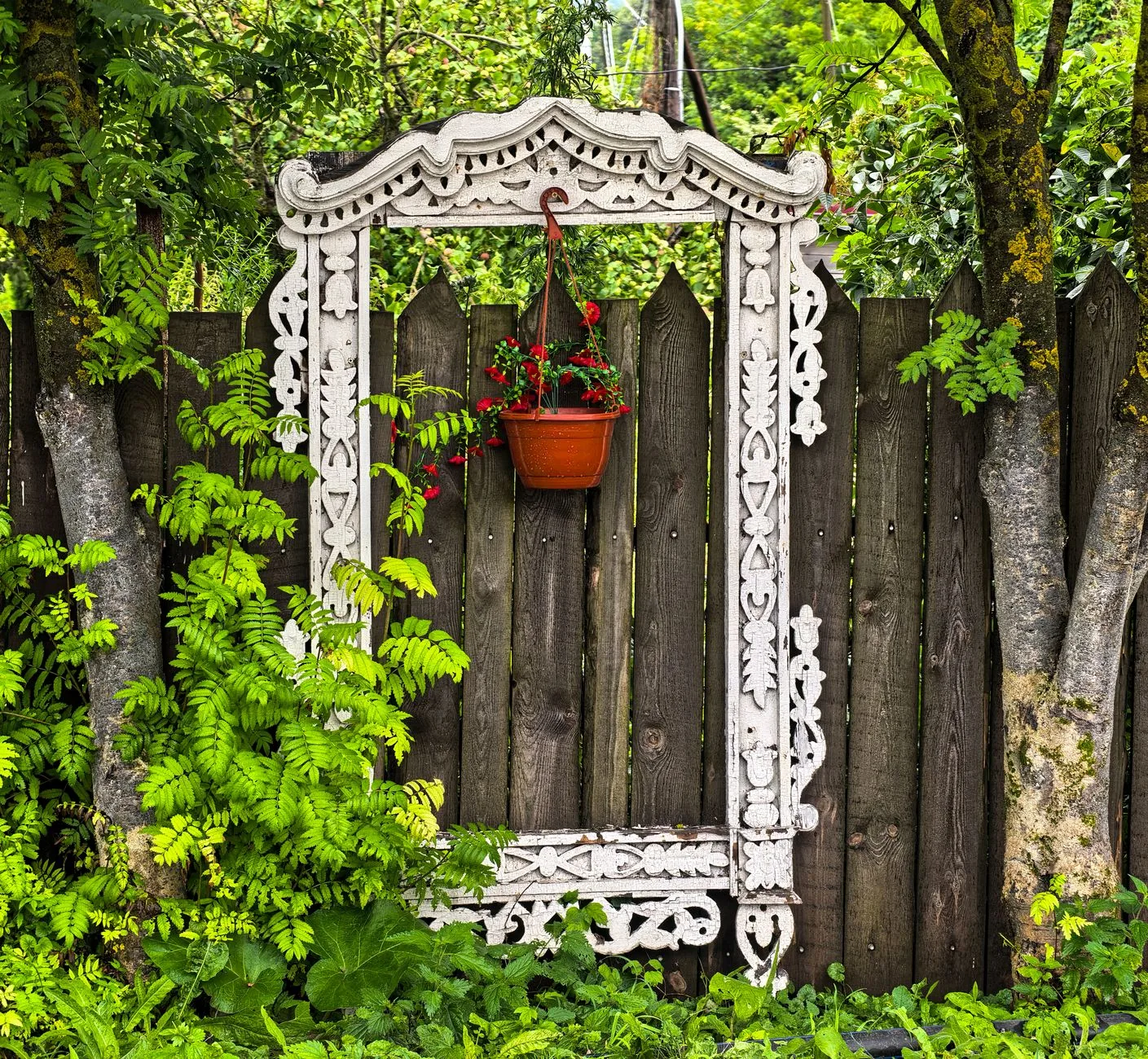
How to Hide Ugly Fence: 8 Ways to Refresh Your Yard
If you are staring at a weathered, mismatched, or just plain unattractive fence every time you step outside, you are not alone. The question of how to hide ugly fence panels is one of the most common yard-improvement searches among homeowners, and the good news is that the fix rarely means tearing the fence down and starting over.
In most cases, the real problem is not the fence itself but what is happening on its surface and around it. Faded stain, moss, warped pickets, an outdated color, or a style that clashes with the house all read as “ugly” long before the fence is actually failing. That means you can often solve the problem for a few hundred dollars and a weekend of work.
Below are eight proven approaches, ordered roughly from cheapest and fastest to the bigger, more permanent upgrades. Most homeowners end up combining two or three of them.
Start With an Honest Look at the Fence
Before you spend anything, figure out whether the fence is ugly or actually failing. The two problems need different solutions.
- Sound but unattractive: Faded stain, dated color, chipped paint, or a style you dislike. This is a cosmetic job and any of the methods below will work.
- Structurally failing: Rotting posts, leaning panels, boards pulling off rails, or rusted-through metal. Covering these is a waste of money; the fence needs repair or replacement first.
Push on a few posts and check the bottom of the boards where they meet the soil. If the wood is soft, crumbles, or a screwdriver sinks in easily, that section needs replacing. Covering rot with paint or plants only hides the problem for a season or two while the damage keeps spreading. For a rough budget on full replacement when it is genuinely required, see our fence cost per linear foot guide.
Once you have confirmed the fence is structurally sound, pick a method based on your budget and how much maintenance you are willing to do.
How to Hide an Ugly Fence With Plants
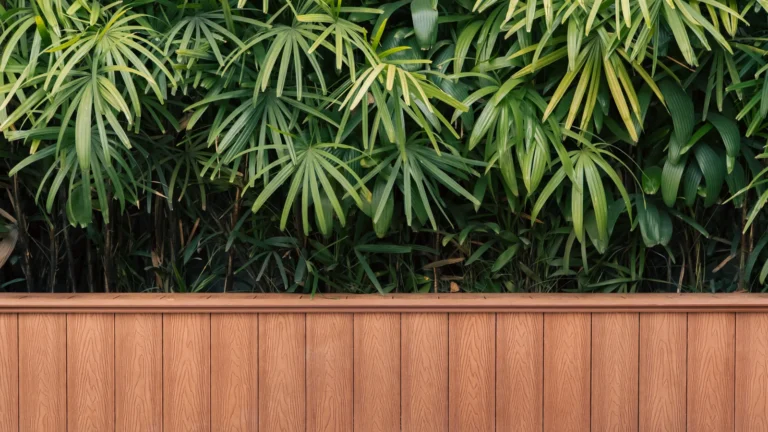
Planting a living screen is the most forgiving and natural-looking fix, and it works on every fence material from chain-link to wood to vinyl. Plants soften hard lines, add color across the seasons, and can turn a glaring eyesore into the best-looking feature in the yard.
Fast, budget-friendly options include:
- Annual vines: Morning glory and black-eyed Susan vine climb a fence in a single season, but they die back each winter and need replanting.
- Perennial climbers: Climbing hydrangea, clematis, and trumpet vine return year after year. Clematis is the most fence-friendly because it climbs without damaging wood.
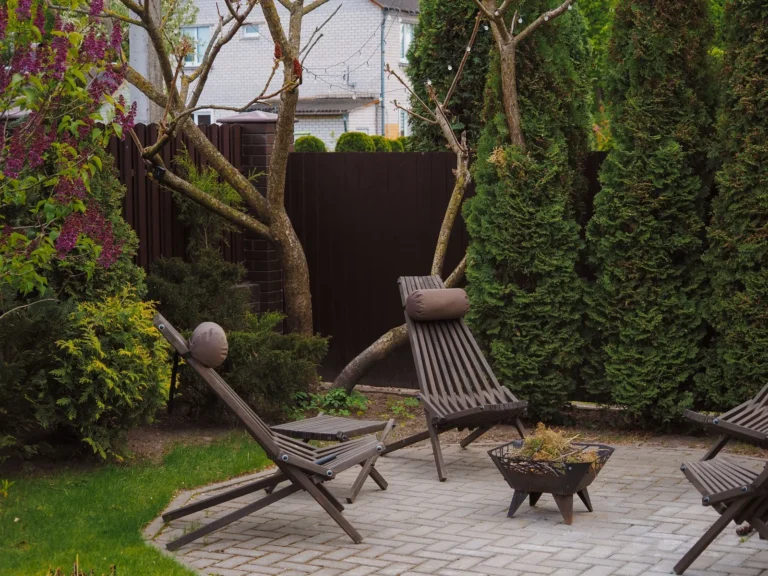
- Tall shrubs: Emerald Green arborvitae and ‘Sky Pencil’ holly stay narrow (2 to 3 feet wide) and grow 6 to 15 feet tall, making them ideal for lining a fence without eating the yard.
- Grasses: Miscanthus and feather reed grass reach 4 to 6 feet and create a soft, rustling screen in front of the fence line.
For an instant result, buy the largest container sizes your budget allows. A 5-gallon arborvitae runs $40 to $90 each and gives you a 3-to-4-foot plant the day it goes in the ground, whereas a tiny quart-size start can take three or four years to make a real difference.
One caution: evergreen vines and heavy climbers (English ivy, wisteria) can trap moisture against wood and speed up rot. If you have a wood fence, stick to self-supporting shrubs or light climbers like clematis, and keep the foliage trimmed a few inches off the boards so air can move.
Photo by Pedro Rossi via Pexels
Paint or Stain It a Dark, Uniform Color
The single highest-impact change for the lowest cost is color. A fresh coat of paint or stain does two things at once: it makes a weathered fence look clean and intentional, and a dark color makes the fence visually recede so your eye lands on the plants and lawn instead.
Deep charcoal, black, or a dark forest green are the most reliable choices. A dark backdrop makes greenery pop and hides the fence’s own imperfections better than white, which shows every scuff and water stain. Dark gray is also the safest match for almost any house color, from brick to siding.
Budget and effort:
| Task | Paint | Stain |
|---|---|---|
| Cost (100 linear ft) | $80–$150 | $100–$200 |
| Longevity | 3–5 years | 3–7 years (solid stain) |
| Prep required | Scrape, sand, wash | Wash, light sand |
| Best for | Already-painted wood, vinyl | Bare or faded wood |
If the fence is already painted, use exterior acrylic latex like Behr Premium or Sherwin-Williams Duration. If it is bare wood, a solid-color stain (Cabot, Benjamin Moore Arborcoat) gives better results because it soaks in instead of sitting on the surface, so it does not peel. Spraying is fastest for a long run of fence, but back-brush or back-roll as you go to force the product into the wood grain.
Hang a Privacy Screen, Reed Roll, or Fabric Panel
When you want the fence hidden today, not next spring, attach a screen directly to the existing structure. This is the fastest method on this list and works especially well for chain-link, which plants and paint do not help.
Popular options and rough costs for a typical 50-foot run:
- Bamboo or reed roll: $1.50–$3 per square foot. Unroll it and attach with zip ties or staples. Lasts 3 to 5 years outdoors.
- Artificial ivy or boxwood panels: $25–$50 per 2-by-3-foot panel. Instant green, zero watering, UV-resistant.
- Privacy screen fabric: $0.50–$1 per square foot. Woven mesh with grommets; ideal for chain-link and commonly sold in 4-by-25-foot or 6-by-50-foot rolls.
- Corrugated metal or composite panels: $3–$8 per square foot. A more modern, architectural look that doubles as a windbreak.
The cheapest reliable option for a standard wood privacy fence is a stained or painted reed roll. Attach it every 12 to 18 inches with UV-rated zip ties or stainless staples, and leave a small gap at the bottom so water and leaves do not collect against the wood.

Photo by Dr Photographer via Pexels
Attach a Trellis and Train Vines Up It
A trellis gives you the structure of a screen with the softness of plants, and it is the best choice when you want to hide a fence without committing to a full hedge. Because the trellis stands an inch or two off the boards, it also lets air circulate behind it, which protects a wood fence.
Standard options:
- Wood lattice panels: $20–$40 for a 4-by-8-foot sheet. Paint or stain them to match the fence or the house.
- Freestanding metal obelisks and arbors: $50–$150 each. Place them at intervals for a rhythmic, garden-like look.
- Wire or cable systems: $30–$80 for a full run. Screw eye bolts into the fence posts and string stainless cable between them for a modern, minimal support for climbing roses or clematis.
Match the vine to the look you want. Star jasmine and climbing hydrangea are slow and tidy; honeysuckle and trumpet vine grow fast but need pruning to stay controlled. If you want evergreen coverage through winter, star jasmine (USDA zones 8–10) and evergreen clematis are the usual picks.
Build a Horizontal Slat or Composite Cover
If the fence is sound but you genuinely dislike its style — say, dated vertical dog-ear pickets — you can reskin it entirely by fastening new material over the old boards. This costs more than paint or plants but delivers a brand-new fence look without the expense of removing and disposing of the old one.
Two popular reskins:
- Horizontal wood slats: Cedar, redwood, or pressure-treated boards mounted horizontally over the existing fence. Cedar runs $2.50–$5 per linear foot of board. A modern, clean look that is on trend right now; see our horizontal fence vs vertical comparison for the trade-offs.
- Composite panels: Composite screening from brands like Trex or NewTechWood runs $8–$15 per square foot. It never needs staining, resists rot, and installs with hidden fasteners.
The key to a clean reskin is screwing through the new boards into the existing rails and posts, not just into the old pickets. The old pickets are only ½ to ¾ inch thick, so fasteners into them will pull out within a few seasons. Hit the rails behind them and the job will last as long as the new material.
Add Outdoor Decor That Pulls Focus
Sometimes you do not need to cover the whole fence — you need to give the eye somewhere better to land. This is the cheapest trick of all and pairs well with every method above.
- Wall planters and vertical gardens: Mounted pockets or rails hold trailing plants like ferns and succulents.
- Outdoor art: Weatherproof metal panels, mirrors, or a painted mural section.
- Seating and a statement piece: A bench, pergola, fire pit, or a cluster of large pots in front of the fence draws attention forward.
- Lighting: Uplights washing across the fence at night turn a plain surface into a backdrop, especially after a dark stain.
How Much Does It Cost to Hide an Ugly Fence?
What you spend depends almost entirely on which method you choose. Here is a realistic range for a typical 50-foot run of fence:
- Paint or stain it: $80–$250, including tools. One weekend of work.
- Hang a reed roll or privacy fabric: $100–$400. A single afternoon.
- Add trellises and vines: $150–$600. One to two weekends, then a season of growth.
- Plant a shrub hedge: $200–$1,200 depending on plant size. Instant to three-year payoff.
- Reskin with horizontal slats or composite: $500–$2,000 for materials. Two to three weekends.
If you are weighing a reskin against a full replacement, remember the old fence is already installed, and disposing of it adds cost. A full wood fence replacement typically runs $15–$30 per linear foot installed, so a $500 reskin usually beats a $1,500 tear-out. For more ideas on the look you are after, browse our privacy fence ideas before you commit.
Frequently Asked Questions
What is the cheapest way to hide an ugly fence?
Paint or stain is the cheapest fix, typically $80 to $250 for a 50-foot run of fence. A dark, uniform color hides imperfections and makes the fence recede visually. If the fence is chain-link or too damaged to paint, a privacy screen fabric at under $1 per square foot is the next cheapest option.
Can I hide a neighbor’s ugly fence on my side?
Yes, as long as whatever you build sits on your property. The most common approach is to plant a hedge or install freestanding panels just inside your own property line, so you are not attaching anything to your neighbor’s fence without permission. Check local setback rules before planting or building close to the line.
Do climbing plants damage a fence?
Some can. Self-clinging vines like English ivy and wisteria can hold moisture against wood and accelerate rot, and their tendrils can work into small cracks. Clematis, star jasmine, and climbing hydrangea are lighter and less damaging. On a wood fence, prefer a trellis set an inch or two off the boards so air can circulate.
Should I paint or stain an ugly wood fence?
For bare or faded wood, a solid-color stain is usually the better choice because it soaks into the grain and does not peel. For a fence that is already painted, clean and repaint it with an exterior acrylic latex. Solid stains from brands like Cabot and Benjamin Moore Arborcoat also hide the grain and old color better than semi-transparent stains.
Is it cheaper to hide a fence or replace it?
Hiding it is almost always cheaper. A full wood fence replacement typically runs $15 to $30 per linear foot installed, while reskinning or screening an existing sound fence costs a fraction of that. The exception is a fence with rotted posts or leaning panels — that should be repaired or replaced rather than covered.
For planting and screening ideas, Better Homes & Gardens rounds up ways to dress up a fence.
The Bottom Line
An ugly fence is rarely a lost cause. In most yards, a weekend, a few hundred dollars, and the right combination of paint, plants, or panels is all it takes to turn the fence from the thing you avoid looking at into a backdrop that makes the rest of the yard look better.
Start with the cheapest reversible move — a dark coat of paint or stain, or a reed roll if the fence is chain-link — and add plants over the following seasons for a look that keeps improving. Only reach for a full reskin or replacement when the fence is structurally failing or you genuinely dislike the style enough to pay for a change.
For more on materials, costs, and the exact look you are after, read our guides on privacy fence ideas and how to build a wooden fence.