
Horizontal Fence vs Vertical: Which Board Orientation Is Right for Your Yard?
A fence is one of the most visible investments you’ll make in your property, and the way the boards run changes everything about how it looks and performs. The horizontal fence vs vertical debate comes down to far more than taste: cost, privacy, wind resistance, and long-term upkeep all shift depending on which direction the boards face. Here’s what you need to know before you buy lumber or hire a contractor.
The short version: horizontal fences dominate modern and mid-century-modern homes and hide neighbors more completely, while vertical fences are usually cheaper to build, easier to repair, and the safer default for traditional and transitional styles. Neither is universally better. The right answer depends on your budget, your climate, and how much privacy you actually need.
Horizontal Fence vs Vertical: The Core Difference
The distinction is structural, not cosmetic. On a vertical fence, each board runs up and down, fastened to two or three horizontal rails that span between the posts. That classic configuration is what you picture when you think of a picket fence, a stockade privacy fence, or a board-on-board cedar fence.
On a horizontal fence, the boards run side to side, attached to posts (or a hidden frame) with the boards stacked like siding. This orientation produces clean, uninterrupted sight lines and a sleek, architectural look that has surged in popularity over the last decade, especially for contemporary ranch homes and modern builds.
Here’s how the two stack up at a glance:
| Feature | Horizontal Fence | Vertical Fence |
|---|---|---|
| Typical material cost | Higher (more posts/framing) | Lower |
| Privacy | Excellent (fewer gaps) | Good to excellent |
| Wind resistance | Poor in open areas | Better |
| Ease of board replacement | Harder | Easier |
| Modern curb appeal | Strong | Moderate |
| Sag risk over time | Higher | Lower |
The structural consequences ripple into everything below, from the first quote you get to the first board you replace five years later.
What a Horizontal vs Vertical Fence Actually Costs
Cost is where the two orientations part ways most clearly, and it’s the number most homeowners care about first. Expect to pay $15 to $45 per linear foot for a professionally installed vertical wood privacy fence, depending on species and height. A horizontal wood fence typically runs $20 to $55 per linear foot because it needs more framing.
Why the premium? Horizontal boards can’t just be nailed to rails the way vertical boards can. The long spans between posts need a rigid frame or closely spaced posts to stop the boards from bowing, and you’ll often see steel or aluminum posts spec’d in for the cleanest look. All of that adds labor and material.
A few concrete figures for a 100-linear-foot backyard:
- Vertical cedar privacy fence (6 ft): roughly $1,500 to $3,500 installed.
- Horizontal cedar fence (6 ft): roughly $2,000 to $4,500 installed.
- Vinyl versions of either run $25 to $40 per linear foot, with horizontal again at the top of the range.
For a full breakdown of material, labor, and regional pricing, see our fence cost per linear foot guide.
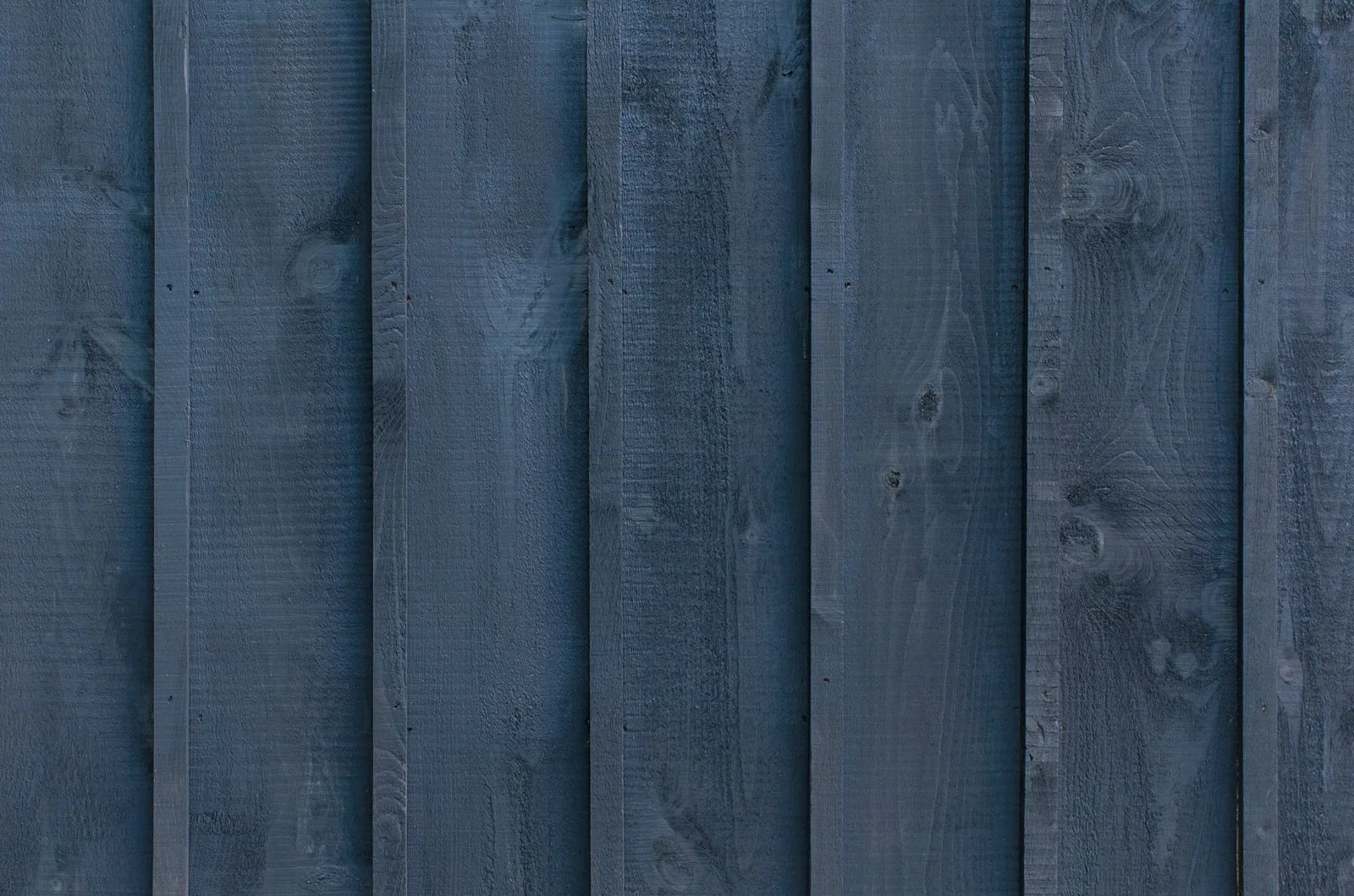
Photo by Maddy Jaya via Pexels
Privacy: Which Orientation Hides More?
If privacy is your main goal, the horizontal fence vs vertical question has a clear winner in practice. Horizontal boards are usually butted tightly together in a board-on-board or shadow-box pattern that leaves no through-gaps at eye level, so a neighbor’s window or a busy sidewalk effectively disappears.
Vertical privacy fences can be just as opaque, but they often aren’t. Standard vertical stockade fences use overlapping or tongue-and-groove boards that do block sight lines, but picket-style and widely spaced vertical designs deliberately leave gaps. If you go vertical, specify the board spacing and pattern you want rather than assuming every vertical fence is private.
One caveat on horizontal: the boards sit edge-to-edge, and wood shrinks as it dries. A horizontal fence that looked solid on install day can develop hairline gaps within a year. Slightly overlapping the boards or choosing kiln-dried lumber minimizes this.
Durability, Maintenance, and Lifespan
Both orientations last about the same amount of time when built correctly — 15 to 20 years for cedar and redwood, 20 to 30 years for vinyl and aluminum. The difference shows up in how each one fails.
Horizontal fences are more prone to sagging and bowing in the middle of each span, especially in humid climates where wood absorbs moisture and flexes. That’s why quality horizontal installations use metal posts or a hidden frame. A single warped board on a horizontal fence is also a headache to swap out because it’s sandwiched between its neighbors.
Vertical fences have their own weak point: the tops of the boards are exposed end grain that drinks up water and splits over time. A horizontal cap rail or an angled top trim solves this cheaply. When a vertical board rots or cracks, you pull it off the rails and replace just that one board in minutes — a real advantage over the horizontal alternative.
Cedar and redwood are the most common choices for both because they resist rot and insects naturally. Pressure-treated pine is cheaper but heavier and more likely to warp, which matters more on a horizontal fence where warping is highly visible.
Curb Appeal and Resale Value
This is where taste takes over. Horizontal fences read as contemporary and high-end, which is why they’re everywhere in modern farmhouse and mid-century design magazines. They make a yard feel wider, since the eye travels along the long horizontal lines, and they pair beautifully with clean landscaping and drought-tolerant plants.
Vertical fences are the chameleon. Done as a classic board-on-board cedar fence, they fit a traditional colonial or craftsman home. Done as a slatted modern screen, they suit a sleek contemporary build just as well. Vertical lines also make a yard feel taller and can visually extend a small space upward.
Neither orientation reliably adds more resale value than the other. Appraisers care that the fence is well-built, matches the home’s style, and is in good condition. The real value play is a fence that looks intentional rather than one that just follows a trend.
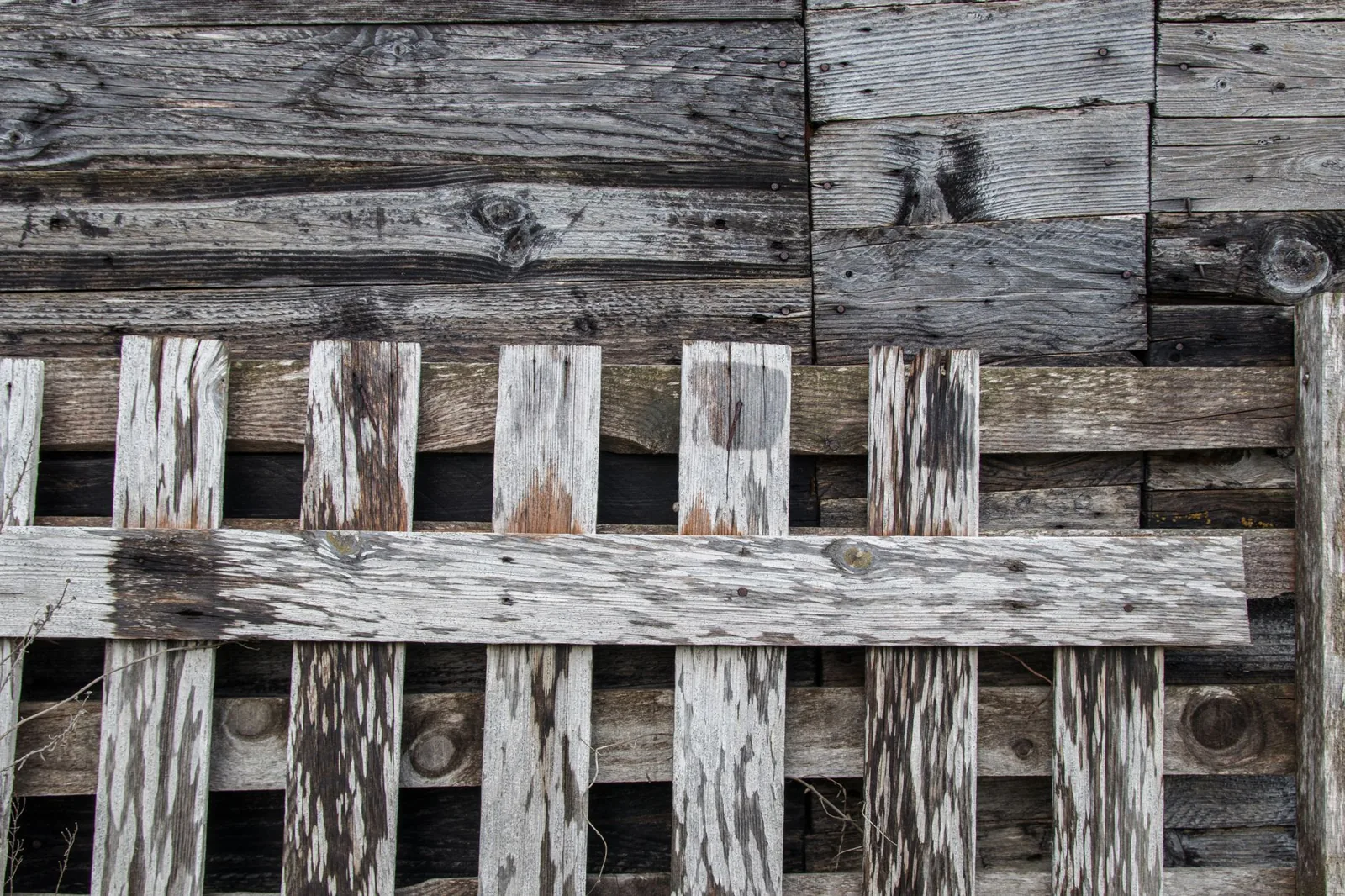
Photo by Kostas Dimopoulos via Pexels
How to Choose: Climate, Budget, and Layout
Start with these three questions and the decision usually makes itself.
What’s your wind exposure? Horizontal fences act like a solid wall, and solid walls catch wind. If your yard sits on an open lot, a hilltop, or a coastal bluff, a vertical fence with small gaps (or a horizontal fence with slightly spaced slats) lets wind pass through instead of pushing the whole run over. This is the single most common reason a horizontal fence fails early.
What’s your budget tolerance? If you’re cost-sensitive, vertical is the safer call — you’ll spend less up front and less on repairs later. If the modern look is worth a 20–30% premium to you, horizontal earns its keep in curb appeal.
What’s the layout? Long, straight runs with few corners are the cheapest scenario for either orientation. If your property has lots of corners, elevation changes, or slopes, vertical is more forgiving because boards can be stepped and cut to follow the grade, while horizontal lines make a slope look uneven fast.
For more privacy-focused options before you commit, browse our privacy fence ideas and, if you’re handy, our step-by-step on how to build a wooden fence.
Frequently Asked Questions
Is a horizontal fence stronger than a vertical fence?
Not inherently. Vertical fences resist wind better and keep boards from sagging, but a horizontal fence built on steel posts with a rigid frame can be just as strong. Strength depends on framing and post depth more than board direction.
Why is a horizontal fence more expensive?
Horizontal boards span long, unsupported distances and need extra framing, closely spaced or metal posts, and more precise installation to prevent bowing. That added material and labor pushes the price 20–30% above a comparable vertical fence.
Do horizontal fences sag over time?
They can, especially in humid climates. Long spans without a mid-rail or metal posts are the usual culprit. Choosing kiln-dried lumber, spacing posts no more than 6 feet apart, or using steel posts dramatically reduces sagging.
Which fence gives more privacy?
Horizontal fences generally offer more complete privacy because the boards are stacked tightly with fewer through-gaps. Vertical stockade fences are just as private, but picket-style vertical designs intentionally leave gaps.
Can I mix horizontal and vertical boards?
Yes. Many designers combine horizontal slats with vertical posts or a vertical accent panel, and board-on-board patterns mix both directions for a textured, layered look. It’s a popular way to get visual interest without committing fully to one orientation.
For style and material comparisons, This Old House covers modern fence design options.
The Bottom Line
The horizontal fence vs vertical decision really comes down to two things: how much you want the modern look, and how hard your climate pushes back against it. If you love the clean, architectural lines of a horizontal fence and your yard is reasonably sheltered, the extra cost is money well spent — it’s the single biggest curb-appeal upgrade a fence can give. If you’re budget-minded, live in a windy area, or want low-fuss repairs, a well-built vertical fence will serve you for decades and cost less along the way.
Whichever way the boards run, buy quality lumber, set posts deep below the frost line, and check your local codes and HOA rules before you dig. Get quotes for both orientations from at least two contractors — the spread between them will often make the decision for you.