
Aluminum Fence vs Vinyl: Which Fence Is Right for Your Home?
The aluminum fence vs vinyl decision trips up more homeowners than almost any other fence choice. Both materials look clean, both resist rot and insects, and both come in enough styles to suit a suburban lot or a narrow city yard. But they behave very differently in the real world — one dents on impact and the other can warp in a heat wave, and their prices don’t always line up the way the showroom suggests.
In this guide I’ll walk through the numbers, the maintenance reality, and the curb-appeal tradeoffs so you can pick the right material the first time. If you’re also weighing wood, our vinyl fence vs wood fence breakdown covers that side of the argument.
Here’s the short version: vinyl wins on privacy and near-zero upkeep, while aluminum wins on strength, wind resistance, and an open, see-through look. The rest of this article explains why, and what it’ll cost you either way.
Aluminum Fence vs Vinyl: The Quick Comparison
Before the details, here’s the side-by-side that answers most questions in one pass.
| Feature | Aluminum Fence | Vinyl Fence |
|---|---|---|
| Material cost (installed) | $30–$55 per linear foot | $25–$45 per linear foot |
| Lifespan | 30–50 years | 20–30 years |
| Privacy | Low (open pickets) | High (solid panels) |
| Wind resistance | Excellent (air passes through) | Fair (solid panels catch wind) |
| Impact behavior | Dents but stays intact | Cracks or shatters on hard hits |
| Maintenance | Wash occasionally; repaint if coated finish wears | Hose off; no painting ever |
| Fade/heat behavior | Coated, fade-resistant | Can warp or sag in high heat |
| DIY-friendly | Moderate | Moderate to high |
Cost: What Each Fence Actually Costs
Aluminum fencing typically runs $30 to $55 per linear foot installed, while vinyl lands between $25 and $45 per linear foot installed. On a 150-linear-foot yard, that’s roughly $4,500 to $8,250 for aluminum versus $3,750 to $6,750 for vinyl. Material alone — before labor — is usually $18 to $35 per foot for aluminum and $15 to $30 per foot for vinyl.
The gap narrows fast when you add features. A taller privacy vinyl fence (6 feet or more) with solid panels costs more per foot than a basic 4-foot aluminum picket fence, because you’re buying far more vinyl per running foot. Decorative aluminum with ornamental rings, scrolls, or a custom powder-coated color pushes into the $60-plus range.
Labor drives the final bill either way. Fence installation typically adds $10 to $20 per linear foot for a pro crew, and you’ll pay more for digging in rocky or root-heavy soil. For a fuller breakdown of what you’ll spend per foot, see our fence cost per linear foot guide.
Durability and Weather Resistance
This is where the two materials genuinely diverge.
Aluminum is the tougher material in most conditions. It won’t rust, rot, or attract termites, and because it’s a metal framework with open pickets, high winds pass right through it. That’s why you see aluminum fences lining poolsides, coastal properties, and wide-open lots where wind is a real threat. Powder-coated aluminum holds its color for decades, and the coating resists chalking and UV fade better than paint.
The catch is impact. A stray lawn mower, a falling branch, or a car bump will dent aluminum, and a hard enough hit can bend a rail out of shape. You can usually straighten minor bends, but a badly dented section often needs replacing.
Vinyl is essentially PVC — a rigid plastic — and it shrugs off moisture, salt, and insects entirely. It never needs painting and won’t rust. But it has two weaknesses aluminum doesn’t. First, solid vinyl panels act like a sail in high winds; a poorly anchored fence can lean or blow over in a storm. Second, vinyl expands and contracts with temperature, so extreme heat can cause panels to warp, sag, or pop out of their rails. In very cold weather, vinyl turns brittle and can crack under impact that aluminum would simply absorb.
Photo by Gatien Letoffe via Pexels
Maintenance: Minutes vs. Almost None
Neither fence asks for much, but the details matter.
Aluminum needs a rinse now and then to remove dust and pollen, and if you live near the coast, an occasional wash keeps salt from dulling the finish. The factory coating means you generally won’t repaint — but if a section is scratched to bare metal, touch it up promptly to prevent oxidation. Beyond that, there’s no staining, sealing, or seasonal work.
Vinyl is the closest thing to zero-maintenance fencing you can buy. Dirt and mildew wash off with a garden hose and mild soap; stubborn stains come out with a soft brush. There’s no paint to peel and no sealant to reapply. The only real chore is inspecting after heavy storms for cracked panels or posts knocked out of alignment.
Appearance and Curb Appeal
This is a taste call more than a technical one, but the options are distinct.
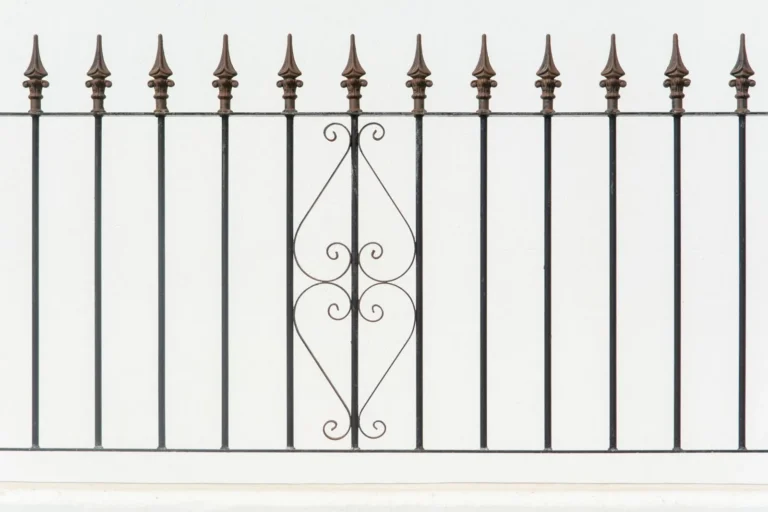
Aluminum delivers a classic, ornamental look. You’ll find spear-top pickets, flat-top panels, arched gates, and decorative finials that echo wrought iron without the rust or the weight. It reads as upscale and permanent, and because the pickets are thin and open, it frames a yard without boxing it in. If you want a fence that shows off landscaping rather than hiding it, aluminum is the stronger choice.
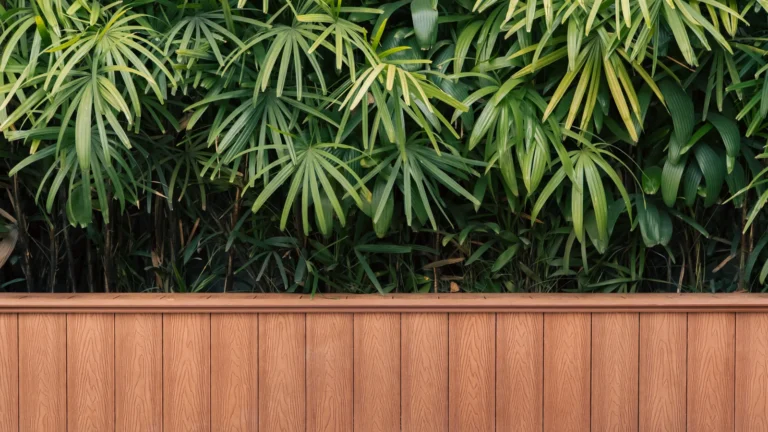
Vinyl is the privacy and clean-line option. Solid panels, tongue-and-groove boards, and half-moon lattice tops are all common, and the material comes in white, tan, gray, and wood-grain finishes. It reads as tidy and modern but has a more plastic look up close — something to weigh if you’re after a high-end finish. For privacy-focused designs that pair well with either material, our privacy fence ideas roundup is a good next stop.

Photo by Baraa Obied via Pexels
Installation: DIY or Hire It Out?
Both fences are among the friendlier DIY projects, though neither is effortless.
Aluminum ships as pre-assembled or panelized sections that bolt to posts set in concrete. The panels are light enough for one person to carry, which makes a weekend install realistic. The fiddly part is the gate — aluminum gates need careful hanging so they swing square and latch cleanly.
Vinyl installs in a similar way: posts set in concrete, panels dropped into routed slots. It’s heavier and bulkier than aluminum and less forgiving of an out-of-plumb post, because a warped panel won’t hide a crooked line. Most pros still consider vinyl slightly easier overall, since panels lock together without metal fasteners.
If you’d rather not dig post holes in rocky soil or pour a dozen concrete footings, hire a fence contractor. A pro crew finishes most 150-foot installs in one to two days.
Frequently Asked Questions
Which is cheaper, aluminum or vinyl fencing?
Vinyl is usually cheaper — about $25 to $45 per linear foot installed versus $30 to $55 for aluminum. The gap widens on taller privacy fences and narrows on decorative aluminum, so get per-foot quotes for your exact style before deciding.
Does aluminum fencing rust?
No. Aluminum doesn’t contain iron, so it won’t rust the way steel does. Its powder-coated finish also resists corrosion and UV fade, which is why aluminum holds up well in coastal and humid climates.
Does vinyl fencing crack?
It can. Vinyl becomes brittle in extreme cold and can crack or shatter on a hard impact, and solid panels can warp in intense heat. Properly installed vinyl with adequate post spacing handles normal weather fine, but it’s less impact-tolerant than aluminum.
Which fence is better for privacy?
Vinyl, by a wide margin. Solid vinyl panels block sightlines completely, while aluminum’s open pickets are see-through. If privacy is the goal, choose vinyl — or pair an aluminum frame with privacy screens. See our privacy screen for backyard guide for the add-on options.
How long does each fence last?
A well-maintained aluminum fence lasts 30 to 50 years, often outlasting the house’s siding. Vinyl typically lasts 20 to 30 years before fading, warping, or impact damage pushes you toward replacement.
The Bottom Line
Choose aluminum if you want strength, wind resistance, and a see-through ornamental look that lasts decades with almost no effort — especially for poolsides, coastal homes, and wide-open yards. Choose vinyl if your priority is full privacy, the lowest possible maintenance, and a lower upfront price — just accept that it’s more likely to warp in heat or crack under impact.
Neither material is a mistake; they’re answers to different questions. Match the fence to what you actually need it to do, and it’ll serve you for decades. For more on how vinyl stacks up against the classic option, read our vinyl fence vs wood fence comparison, or dig into fence cost per linear foot to budget your project before you call for quotes.
Sources: This Old House — Vinyl vs. Aluminum Fences and Bob Vila — Aluminum Fence Guide.