Deck Skirting Ideas: 15 Ways to Finish the Space Under Your Deck
A deck looks finished only when the gap between the deck boards and the ground is handled. Left open, that cavity turns into a dark slot that collects leaves, tools, and the occasional family of raccoons. Deck skirting ideas solve all three problems at once: they hide the structural framing, keep animals and debris out, and give the whole deck a cleaner, more intentional look from the yard.
The good news is that skirting is one of the cheapest exterior upgrades you can make. Most materials run $2 to $12 per square foot for the panels themselves, and a typical 200-square-foot skirting job costs between $400 and $2,400 in materials depending on what you pick. Labor adds more if you hire it out, but this is a genuinely DIY-friendly project for anyone comfortable with a drill and a level.
Below are 15 deck skirting ideas that work across almost every budget and deck style, with honest notes on cost, durability, and how much work each one actually takes.
Why Skirting Your Deck Is Worth It
Before you choose a material, it helps to know what the skirting is actually doing. Skirting is not just cosmetic.
It keeps pests out. The enclosed void under a deck is prime real estate for skunks, raccoons, groundhogs, and stray cats. Once an animal dens in, removal costs $200 to $600 — more than most skirting jobs. A solid or lattice barrier prevents the problem entirely.
It hides ugly framing. Posts, beams, joists, and the underside of your deck boards are never pretty. Skirting covers them so the deck reads as one clean structure instead of a table on stilts.
It creates storage. Enclose the space with a small access door and you get dry, out-of-sight storage for lawn tools, cushions, or kids’ toys.
It can extend the deck’s life. Skirting that allows airflow helps the under-deck area dry out after rain, which slows rot in the framing.
Deck Skirting Ideas by Material and Style
This is where you choose your look. The material you pick sets the cost, the maintenance, and how long the skirting lasts.
Wood Lattice (Classic and Cheap)
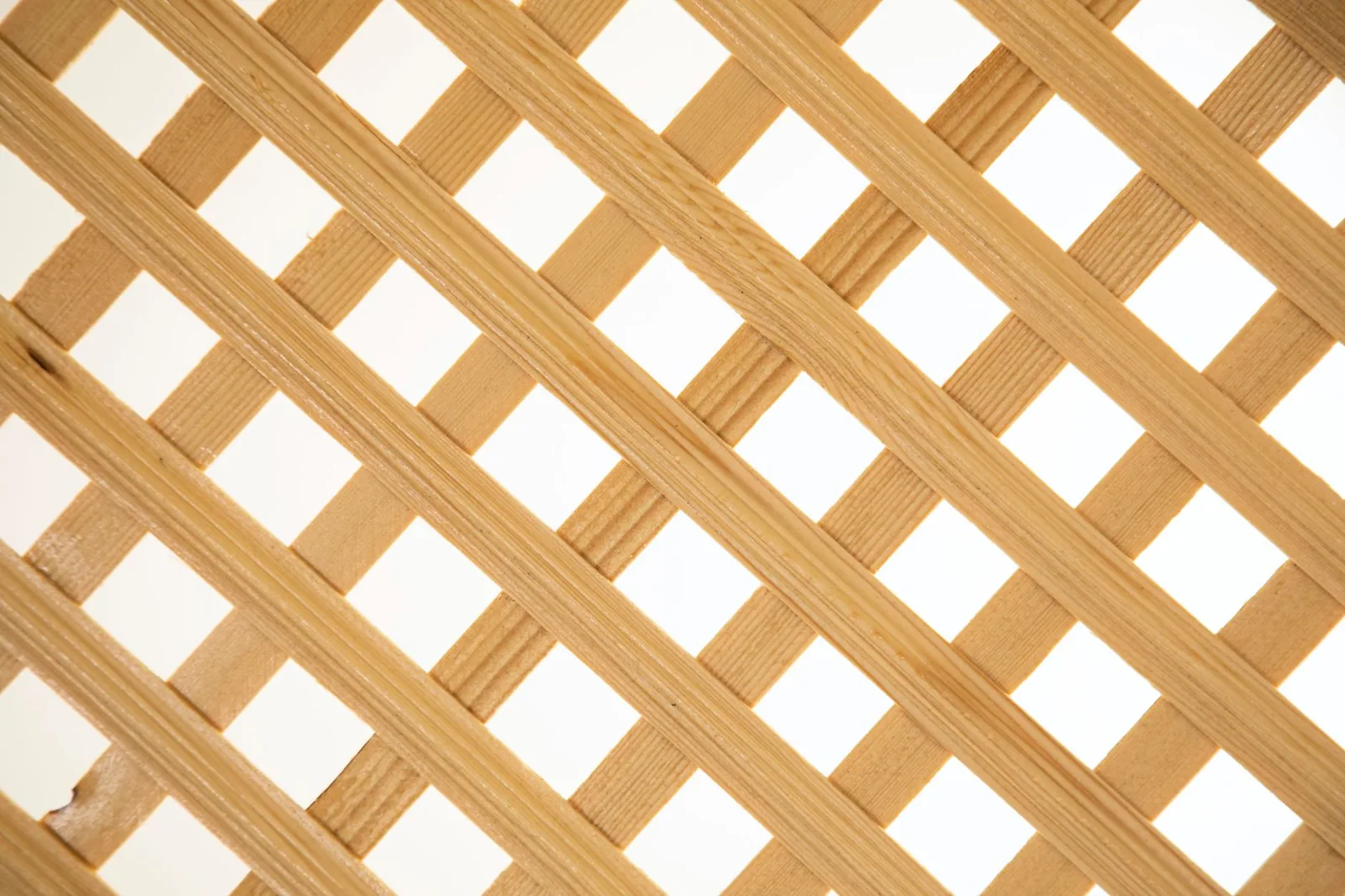
Pressure-treated wood lattice is the most common deck skirting idea in North America. Panels come in 4-by-8-foot sheets for $25 to $45 each, which works out to roughly $0.80 to $1.40 per square foot. It paints easily, matches almost any deck, and installs fast.
The trade-off is durability. Thin lattice slats are only about 3/8 inch thick, so they crack if a lawn mower kicks a rock into them, and they need repainting every few years. Budget for it if you want the cheapest honest look.
Vinyl or PVC Lattice
Vinyl lattice costs $40 to $70 per 4-by-8 sheet ($1.25 to $2.20 per square foot) and never needs painting. It won’t rot, and it wipes clean with a hose. The downside is a slightly plasticky look up close, and it can sag or rattle in high wind unless you frame the edges tightly.
Composite Skirting Boards
If you want a skirting that matches a composite deck exactly, use the same decking boards installed vertically or horizontally. This is the cleanest, most built-in look available, and it has a long service life with zero painting. Expect $4 to $8 per square foot for material, plus the framing.
Horizontal Wood Slats
Running 1-by-6 cedar or pressure-treated boards horizontally gives a modern, board-and-batten style that photographs well and looks far more expensive than it is. Cedar runs $2.50 to $5 per square foot. Leave a 1/4-inch gap between boards for airflow. This is one of the best deck skirting ideas for a contemporary home.
Vertical Board-and-Batten
Alternating wide and narrow vertical boards closes the space almost completely while still looking deliberate. It pairs well with a farmhouse or craftsman house. Material cost sits around $3 to $6 per square foot depending on the species.
Stone or Brick Veneer
For a high-end, permanent look, a thin stone veneer or brick facing over a cement-board backer closes the deck off completely and ties it to a masonry house. This is the most expensive option — $12 to $25 per square foot installed — and it requires a solid backer and a contractor for most people. It’s worth it only if the deck is highly visible from the street.
Corrugated Metal Panels
Galvanized or painted corrugated metal gives an industrial, low-maintenance skirt that lasts decades. Panels run $1.50 to $3 per square foot and install quickly with self-tapping screws. It’s a strong choice for a modern or rustic home, though it doesn’t suit every architectural style.
Faux Stone or Brick Skirting Panels
Lightweight polyurethane panels that mimic stone or brick cost $4 to $7 per square foot and install with screws like any other panel. They give you the masonry look at a fraction of the weight and cost, and they’re a solid middle ground between lattice and real stone.
Comparing the Main Deck Skirting Ideas
| Feature | Wood Lattice | Composite Boards | Stone Veneer |
|---|---|---|---|
| Material cost per sq ft | $0.80–$1.40 | $4–$8 | $12–$25 installed |
| Lifespan | 5–10 years | 25+ years | 50+ years |
| Maintenance | Paint every 2–4 years | None | None |
| DIY difficulty | Easy | Moderate | Hard (pro recommended) |
| Best for | Budget builds | Matching composite decks | Street-facing luxury |
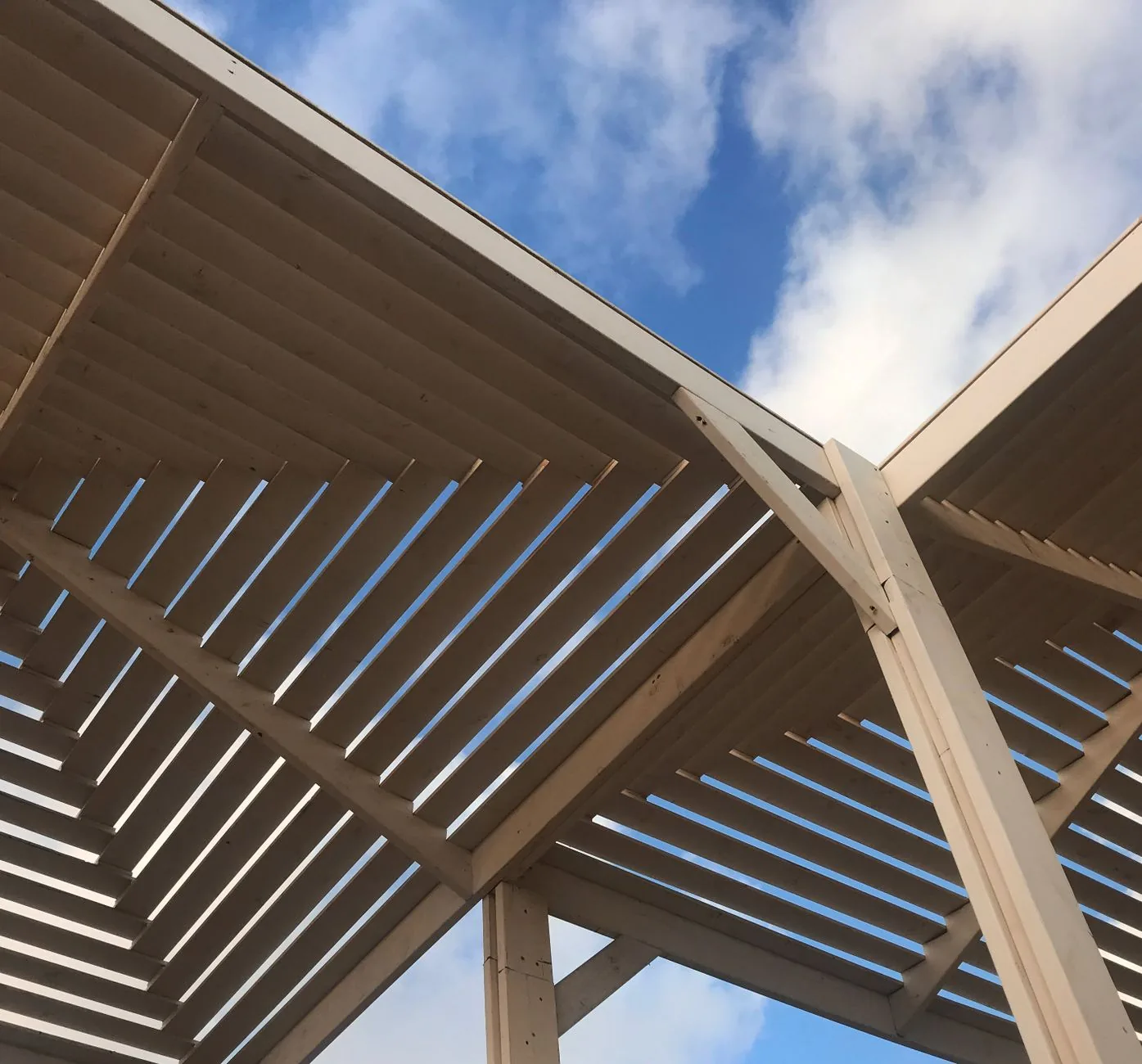
Photo by Daria Ryzhova via Pexels
The table shows the real trade-off: wood lattice wins on price, composite wins on looks and longevity, and stone wins only if you’re willing to pay for permanence. Most homeowners land somewhere in the middle with vinyl lattice or horizontal wood slats.
How Much Deck Skirting Costs
A full picture of cost needs materials, framing, and access in one number. Here’s what a typical 200-square-foot skirting area costs, all-in:
- Wood lattice: $300–$600, DIY
- Vinyl lattice: $450–$800, DIY
- Composite boards: $1,200–$2,400, DIY or pro
- Stone veneer: $3,000–$5,500, pro install
Add $40 to $120 for a simple framed access door if you want to use the space for storage. If you hire a pro, labor for skirting typically runs $15 to $35 per linear foot depending on the material, so a 60-linear-foot perimeter adds $900 to $2,100 in labor alone.
Ventilation and Access: The Two Rules You Can’t Skip
Whatever material you choose, skirting must do two jobs beyond looking good.
Ventilate or you’ll rot the deck. Trapping moisture under a deck is the fastest way to shorten its life. Plan for airflow: lattice handles this naturally, and solid materials like composite or stone need vent openings or a gap at the top and bottom. The rule of thumb is 1 square foot of vent for every 150 square feet of deck area.
Build in an access door. At some point you’ll need to get under there — to retrieve a toy, run a wire, or check the framing. A removable panel or a small framed door saves you from ripping out skirting later. If the skirting creates closed storage, an access door is non-negotiable.
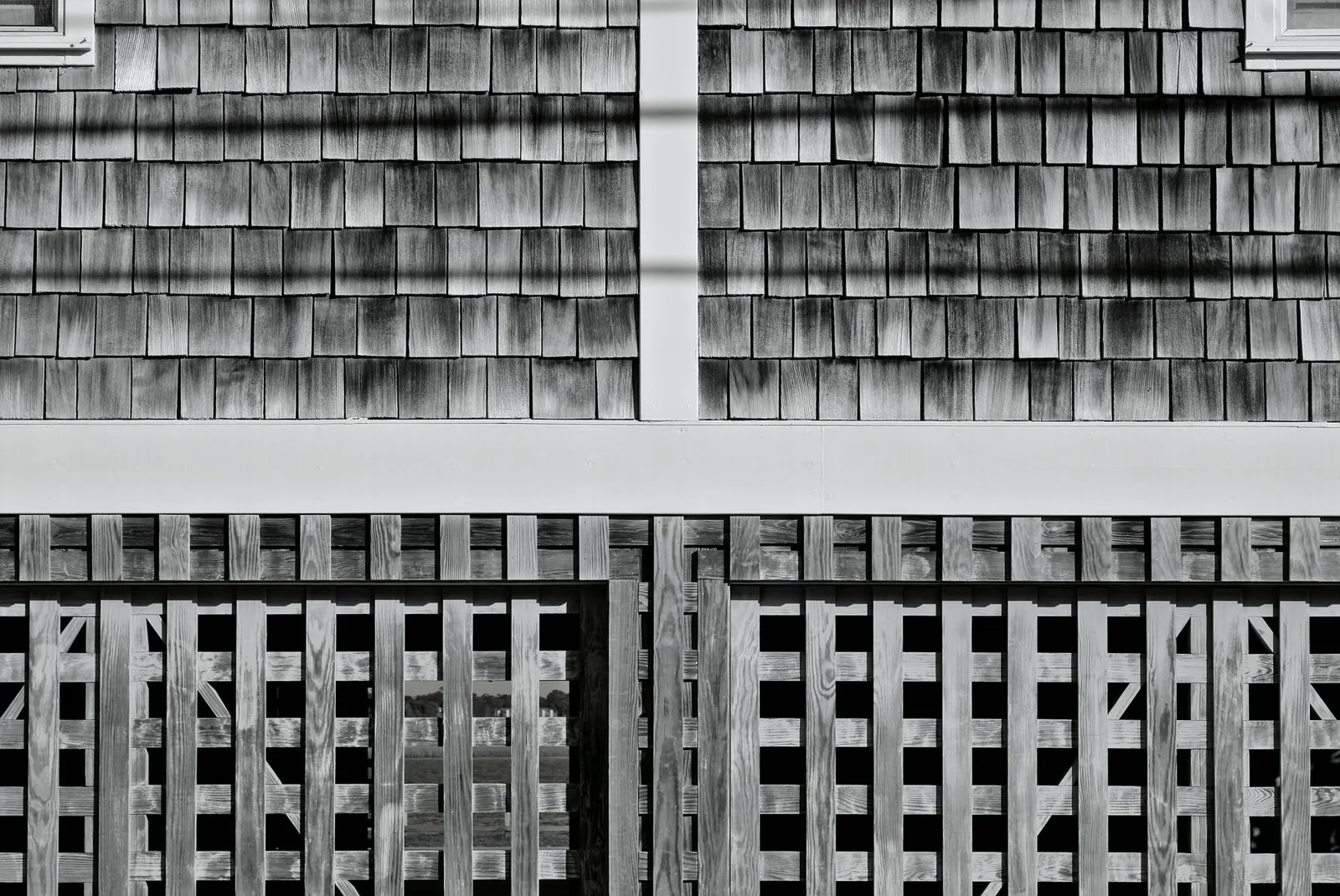
Photo by Miguel Delima via Pexels
DIY Deck Skirting in Six Steps
Skirting is one of the better first DIY exterior projects. Here’s the process for a horizontal wood or lattice skirt:
- Measure the perimeter and multiply height by length to get square footage, then add 10% for waste.
- Run a pressure-treated 2-by-4 frame along the deck’s rim, anchored to the posts and the ground where needed.
- Attach the panels or boards to the frame with exterior screws, working level and leaving airflow gaps.
- Cut around any posts, stairs, or ledger boards with a jigsaw.
- Install a framed access door in the least visible corner.
- Caulk edges and paint or seal any wood, leaving the bottom clear of soil contact.
Plan a full weekend for a first-timer on an average deck. If the deck is more than a few feet off the ground, borrow or rent a second set of hands for the framing.
Deck Skirting and the Rest of Your Deck Project
Skirting rarely happens in isolation. If you’re finishing the underside, you’re probably already thinking about the rails, the deck surface, or the surrounding yard. For a full picture of how the pieces fit together, see our guide to deck railing ideas and, if the deck sits close to the ground, how to build a deck on the ground. A covered deck changes the skirting conversation too, since a roof shifts how much rain reaches the under-deck area.
Frequently Asked Questions
What is the cheapest way to skirt a deck?
Pressure-treated wood lattice is the cheapest option at roughly $0.80 to $1.40 per square foot. A full 200-square-foot job can come in under $400 in materials if you install it yourself.
Can I use deck skirting for storage?
Yes. Enclose the space with solid panels or tight lattice and add a framed access door, and the under-deck area becomes usable storage for tools, cushions, and garden gear. Just keep ventilation in mind so the space doesn’t hold moisture.
Does deck skirting need ventilation?
Yes. Without airflow, moisture builds up under the deck and accelerates rot in the framing. Use open lattice, or build vent openings into solid skirting — roughly 1 square foot of vent for every 150 square feet of deck.
How long does deck skirting last?
It depends on the material. Wood lattice lasts 5 to 10 years with repainting, vinyl and composite 20 to 30 years or more, and stone veneer 50-plus years.
Should I hire a pro or DIY the skirting?
Most lattice and board skirting is DIY-friendly for a confident homeowner. Stone veneer and large vertical installations are better left to a pro, where labor adds $15 to $35 per linear foot.
The team at This Old House has a solid walkthrough of installing lattice skirting, and the Family Handyman covers common deck-building mistakes worth avoiding before you start.
The Bottom Line
Deck skirting is the rare exterior project that costs little, finishes fast, and changes how your entire backyard reads. The best deck skirting ideas balance three things: a look that matches your house, enough airflow to protect the framing, and an access door so the space stays useful.
If you’re on a tight budget, start with pressure-treated lattice and paint it to match. If you want the cleanest long-term look, run composite or horizontal cedar boards. And if the deck faces the street and you want a permanent statement, stone veneer is the only option that delivers it. Pick the material, frame it square, leave room for air, and the deck will finally look like it belongs.