Covered Deck Ideas: 17 Ways to Add Shade, Shelter, and Style
A covered deck changes how you use your yard. These covered deck ideas run the full range — a $40 shade sail stretched over one corner, a ready-to-assemble pergola for a few hundred dollars, or a full gable roof that turns a basic platform into a three-season room you can use in the rain, in the midday heat, and everything in between.
The right cover isn’t only about comfort. It protects a wood or composite deck from sun and water, shields furniture and a grill from weather, and adds curb and resale appeal in a way few outdoor upgrades can match. Below, we break down seventeen workable options, what each one costs, and how to choose one that fits your climate, budget, and how you actually use the space.
Why Add a Cover to Your Deck?
Before you pick a design, it helps to know what a cover actually buys you. The payoff usually lands in four places.
First, a roof or shade structure extends your deck’s usable season. A deck that sits empty from June through August because the afternoon sun is punishing becomes a daily hangout once you add shade. In colder regions, a solid roof also keeps light snow and drizzle off, so you get a few extra weeks on either end of summer.
Second, a cover protects the deck itself. Constant sun fades composite boards and dries out wood, which leads to cracking and splintering. A covered area stays drier, and dry wood is less likely to rot, cup, or attract mold. You’ll spend less on cleaning, staining, and board replacement over the life of the deck.
Third, it protects everything you put on the deck. A grill, a dining set, cushions, and a fire table all last longer when they’re not baking in UV or sitting in standing water.
Fourth, shade over a south- or west-facing deck can cut cooling costs indoors, since the deck no longer radiates heat back against the house wall. The Department of Energy notes that well-placed shade can lower the temperature on a sunny wall by 10 to 20 degrees Fahrenheit, which takes real strain off your air conditioner.
Covered Deck Ideas: Full-Roof and Permanent Designs
If you want true all-weather coverage, these are the options that behave most like a room.
Solid Gable Roof
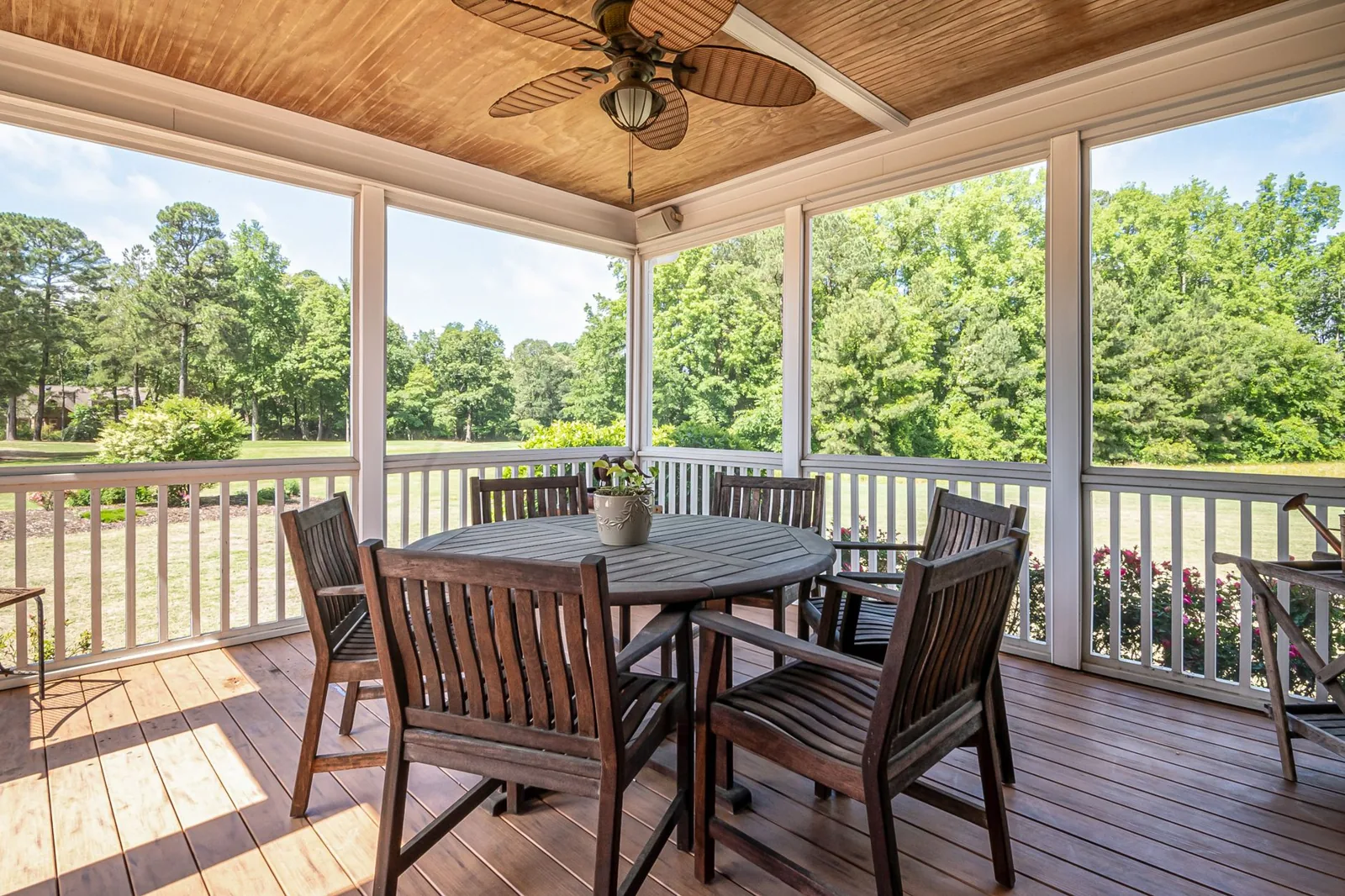
A gable roof matched to your home’s roofline is the most permanent choice. It sheds rain and snow properly, vents hot air through the peak, and looks like it was always part of the house. Plan on $25 to $75 per square foot installed, with most full projects landing between $8,000 and $20,000 depending on size, roofing material, and whether you need new footings.
Shed or Single-Slope Roof
A shed roof slopes in one direction, usually away from the house. It’s cheaper than a gable because there’s less framing and no peak to flash. It’s the go-to for a deck attached to a one-story home, and it directs runoff neatly into a gutter. Expect $20 to $50 per square foot.
Polycarbonate Roof Panels
Polycarbonate is the middle ground between a solid roof and open sky. The panels block most UV while letting soft light through, so the space never feels like a cave. Look for twin-wall or multi-wall panels from brands like Suntuf or Palram; they run $25 to $50 per 8-foot panel, which makes a small deck roof surprisingly affordable to DIY over an existing pergola frame.
Louvered Roof System
Motorized louvered roofs — the category led by brands like Struxure, Equinox, and Solara — rotate their slats from fully open to fully closed with a remote or phone app. Open them for sun, close them at the first drop of rain. That flexibility comes at a price: $75 to $125 per square foot, with most installations running $15,000 to $35,000. For a high-end covered deck that gets daily use, it’s hard to beat.
Three-Season Room Conversion
If you’re already framing a roof, consider closing in one or two sides with screens or windows. A screened roof deck keeps bugs out while the breeze flows through, and adding removable vinyl windows nudges it toward year-round use. This is the most expensive route — often $30,000 and up — but it effectively adds living square footage.
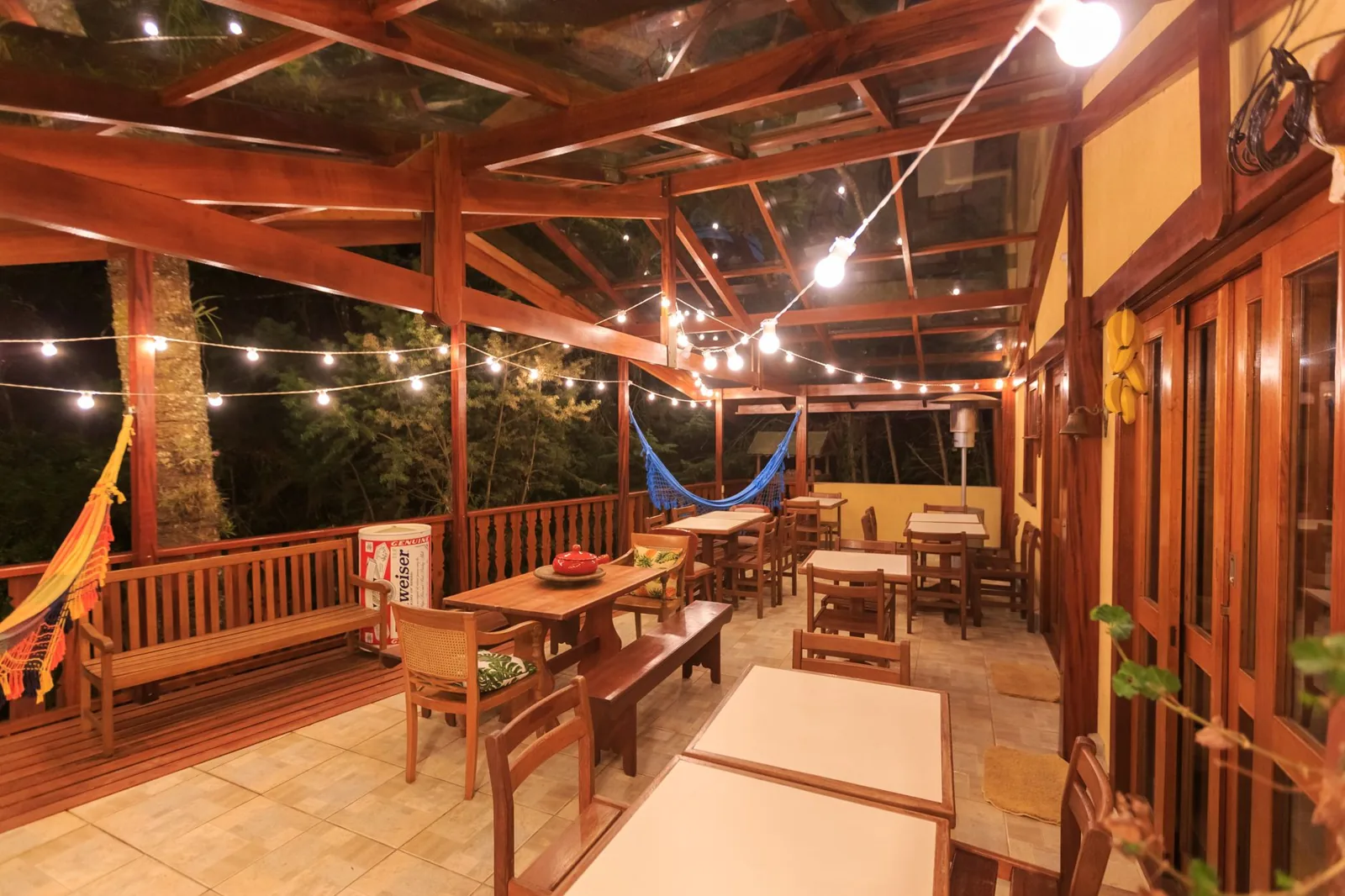
Photo by Matheus Bertelli via Pexels
Covered Deck Ideas for Partial Shade and Flexibility
Not every deck needs a full roof. These lighter options cost less, install faster, and can be added to an existing deck without touching the house structure.
Freestanding Pergola
A freestanding pergola gives you an overhead frame without attaching to the house, which keeps the project simple and often avoids a permit. Kit pergolas in vinyl, aluminum, or cedar start around $1,500 and climb to $8,000 or more installed. If you’re weighing a pergola against other shade structures, see our breakdown of /pergola-cost-per-square-foot/ for a full cost comparison.
Retractable Awning
A retractable awning bolts to the house wall and rolls out when you need shade, then tucks away when you don’t. Manual models from brands like ALEKO or SunSetter run $1,200 to $2,500; motorized versions with wind and sun sensors add $1,000 or more. They’re ideal for a west-facing deck that bakes in the late afternoon.
Shade Sails
A shade sail is a tensioned fabric panel — usually high-density polyethylene from brands like Coolaroo — stretched between anchor points. It’s the cheapest real coverage you can buy: $40 to $200 for the sail itself, plus $500 to $1,500 if you hire out the posts and installation. The catch is that shade sails are meant for sun, not rain; they let water through and need to come down in high winds and heavy snow.
Cantilever Umbrella
For a seating area or dining table, a large cantilever umbrella does the job with zero construction. A good 10- to 13-foot model runs $150 to $500, and it can be repositioned as the sun moves. It won’t protect the whole deck, but it’s the fastest fix in the book.
Pergola With Vines or a Living Roof
A slatted pergola planted with fast-growing vines — wisteria, grape, or climbing roses — gives you shade that thickens over two or three seasons. It’s the cheapest “roof” of all, but it demands patience and pruning. Keep the vines off the deck boards themselves, since constant leaf litter holds moisture against the wood.
Corrugated Metal Canopy
A sloped corrugated metal roof over a simple post frame is a favorite in the Southwest and Pacific Northwest alike. It’s inexpensive ($10 to $20 per square foot for materials), sheds rain fast, and has an industrial look that suits modern and farmhouse homes. Add a ceiling fan beneath it and the deck stays comfortable even on still, hot days.
Deck Curtains and Roller Shades
If you already have a pergola, hang outdoor curtains or roller shades on the sides to block low-angle sun and wind. Weatherproof grommet panels run $25 to $60 each, and they add privacy at the same time. Pair them with a slatted top and you’ve got a semi-enclosed room for a fraction of the cost of a solid roof.
What a Covered Deck Costs
Cost is the first thing most homeowners ask about, and the honest answer is “it depends on how permanent you want it.” Here’s how the main options stack up for a typical 200-square-foot deck.
| Feature | Solid Roof | Louvered Roof | Pergola | Shade Sail |
|---|---|---|---|---|
| Typical installed cost | $8,000–$20,000 | $15,000–$35,000 | $1,500–$8,000 | $500–$1,500 |
| Cost per sq. ft. | $25–$75 | $75–$125 | $20–$60 | $5–$15 |
| Blocks rain? | Yes | Yes, when closed | No (unless paneled) | No |
| Blocks sun? | Yes | Adjustable | Partial | Partial |
| Permit usually needed? | Yes | Yes | Sometimes | Rarely |
| Lifespan | 30+ years | 20–30 years | 15–25 years | 8–12 years |
A few other line items to budget for: polycarbonate panels run $25 to $50 each, a retractable awning lands between $1,200 and $4,000 installed, and reinforcing an existing deck to carry a roof can add $1,000 to $3,000 if the footings or framing weren’t built for it. Always confirm the deck can handle the added load before framing a permanent roof, and factor in railings or screening if you’re enclosing the space — see our /deck-railing-ideas/ guide for enclosure options that meet code.
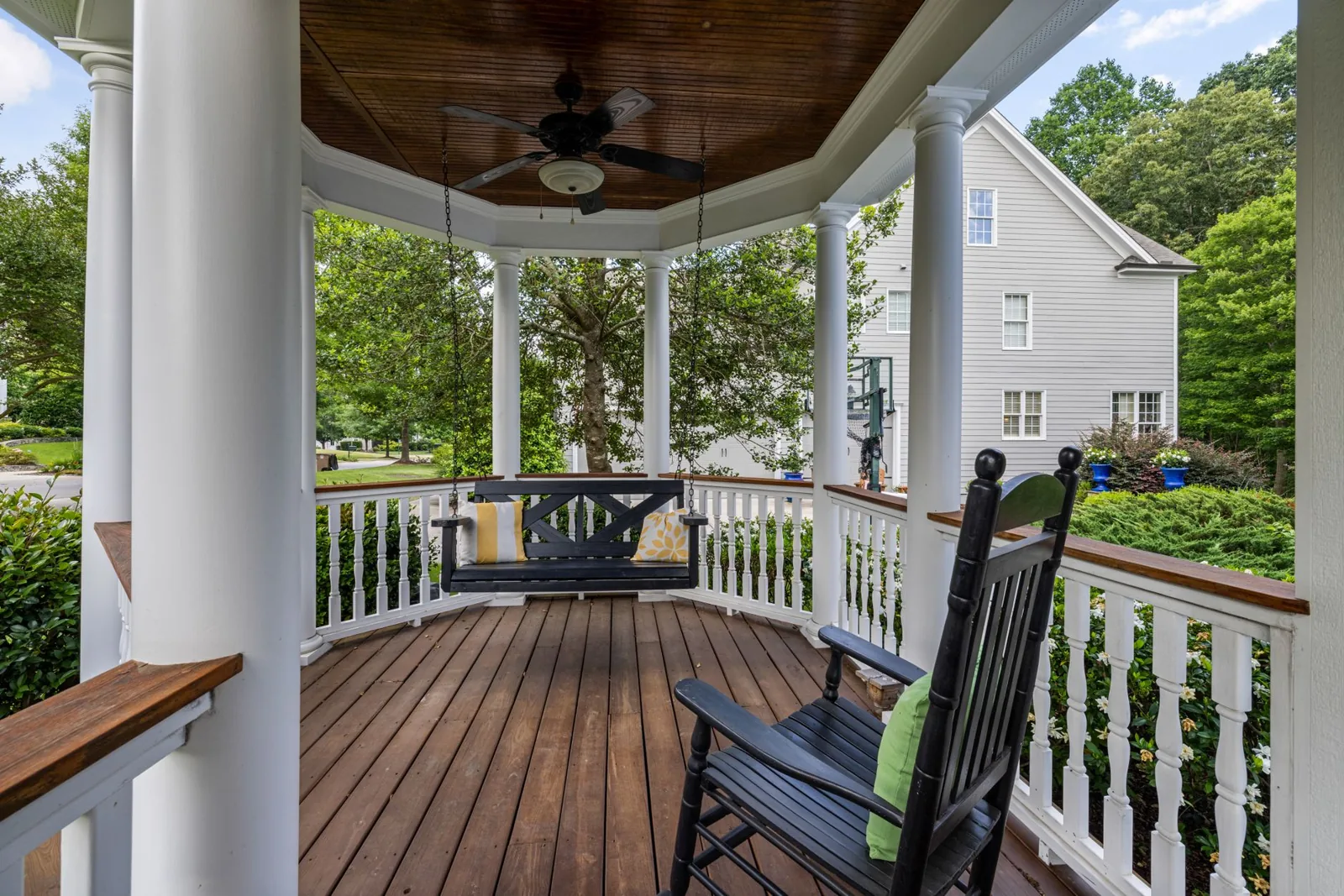
Photo by Curtis Adams via Pexels
Choosing the Right Cover Material
The frame and roof material decide how the cover looks in five years and how much you’ll be up on a ladder maintaining it.
Wood (cedar, redwood, pressure-treated pine) is the classic choice. It’s warm, paintable, and relatively cheap, but it needs staining or sealing every couple of years and will eventually rot if it stays wet. Cedar and redwood resist rot naturally and justify their higher cost on a deck that sees real weather.
Aluminum is the low-maintenance standard for pergolas and louvered systems. It won’t rust, warp, or need painting, and modern powder-coated finishes hold their color for a decade or more. It’s pricier up front than wood but near-zero-maintenance after.
Vinyl splits the difference on cost and care. It’s weatherproof and easy to clean, though it can look plasticky up close and grows brittle in extreme cold.
Polycarbonate is the pick for a translucent roof that lets in light. Get panels with UV-stabilized coatings, or they’ll yellow and turn brittle within a few seasons.
Fabric (canvas, acrylic, HDPE) covers shade sails, awnings, and canopies. Solution-dyed acrylic from names like Sunbrella resists fading for years; cheap polyester fades and sags quickly. Whatever fabric you choose, take it down in winter if you live somewhere with snow.
Frequently Asked Questions
Do I need a permit to cover my deck?
Usually, yes for anything permanent. Most municipalities require a permit for a solid roof attached to the house or for footings that carry a structural load. Freestanding pergolas, shade sails, and umbrellas often fall under the “temporary or detached” exception, but rules vary by town. Check with your local building department before you buy materials — retrofitting an unpermitted roof can cost far more than the permit fee.
How much does it cost to cover an existing deck?
For a typical 200-square-foot deck, budget roughly $1,500 to $8,000 for a pergola or awning, $8,000 to $20,000 for a solid roof, and $15,000 to $35,000 for a motorized louvered system. The wildcard is whether your deck’s footings and framing can carry a roof; reinforcing them adds $1,000 to $3,000.
Can I screen in a covered deck later?
Yes, and it’s the most common upgrade path. A pergola or roof built with substantial posts can accept screen panels, windows, or motorized zip screens down the line. If you think you might enclose it someday, build the frame with that load and dimension in mind now — it’s much cheaper than rebuilding.
What is the cheapest way to cover a deck?
A shade sail is the cheapest real coverage at $40 to $200 for the fabric, followed by a cantilever umbrella at $150 to $500, then a DIY polycarbonate roof over an existing frame. None of these block rain the way a solid roof does, but for pure sun relief they’re hard to beat on price.
Does a covered deck add home value?
A well-built roof or pergola can add usable outdoor living space, which buyers in most markets value, but the return depends heavily on quality and climate. A clean, permitted solid roof that matches the house tends to add the most; a sagging shade sail adds nothing. The National Association of Realtors has consistently ranked outdoor living upgrades among the most appealing features to buyers.
For roof and shade-structure options, This Old House covers building a covered deck.
The Bottom Line
The best covered deck ideas are the ones you’ll actually use. If you live somewhere hot and dry and just want relief from the sun, a pergola, shade sail, or retractable awning covers 90% of your needs for a few thousand dollars. If you want to sit outside through rain, snow, or a humid Southern summer, spend up for a solid or louvered roof — and consider a freestanding structure if you want to skip the permit and the structural worries that come with tying into the house.
Start with how you use the deck today, then pick a structure that fits that habit rather than the other way around. Measure twice, confirm your footings can carry the load, and pull a permit where your town requires one. A covered deck done right turns a sun-baked platform into the most-used room in the house — and it’s one of the few upgrades that pays you back every single day you step outside. If a full roof is more than you need, our guide to /gazebo-cost-installed/ covers freestanding options that deliver the same shade with even less commitment.