Porch Railing Ideas: 15 Designs to Upgrade Your Front Entry
A porch railing is the first thing guests touch before they ring your doorbell, and it shapes the entire first impression of your home. If your current railing is sagging, peeling, or simply boring, the right porch railing ideas can change how your house reads from the street without requiring a full porch rebuild. Most homeowners can swap or refresh a railing for a fraction of what a new porch costs, which makes it one of the highest-impact exterior upgrades you can do on a modest budget.
This guide walks through 15 porch railing ideas organized by material and style, with real cost figures per linear foot, code requirements you can’t ignore, and honest advice on when to build it yourself versus calling a pro. Whether you own a classic farmhouse, a mid-century ranch, or a modern new build, there’s a railing style here that will fit the architecture rather than fight it.
Why Your Porch Railing Deserves More Than a Second Thought
Railings do two jobs at once, and homeowners often forget the second one. The first job is safety: a railing guards the edge of any porch that sits 30 inches or more above the ground, which covers the majority of elevated front entries. The second job is curb appeal. A railing frames the front door like a picture frame frames a photo, and a worn-out or mismatched railing quietly drags down the value of everything behind it.
From a resale standpoint, front porch condition is one of the details appraisers and buyers notice in the first thirty seconds of a showing. A fresh railing signals that the rest of the house has been maintained, while a chipped, rusted one plants the opposite thought. The good news is that railings are inexpensive relative to their visual payoff. Most of the porch railing ideas below come in under $60 per linear foot installed, and several are well under $30.
Porch Railing Ideas by Material
The material you choose drives everything else—cost, longevity, maintenance, and the overall look. Here are the most popular options, with honest trade-offs for each.
Wood: Classic and Customizable
Wood remains the default choice for traditional homes, and for good reason. Pressure-treated pine is the budget workhorse at roughly $8 to $15 per linear foot for materials, while cedar and redwood run $12 to $25 per linear foot and resist rot naturally. Wood stains or paints any color you want, so it’s the easiest material to match to an existing house.
The downside is upkeep. Even pressure-treated lumber needs a fresh coat of stain or sealer every two to three years, and in damp climates it can cup, warp, or crack. If you go this route, spend a little more on cedar or redwood for the top rail and balusters—the parts that take the most weather—and use pressure-treated pine for the structural posts.
Aluminum and Steel: Low-Maintenance Metal
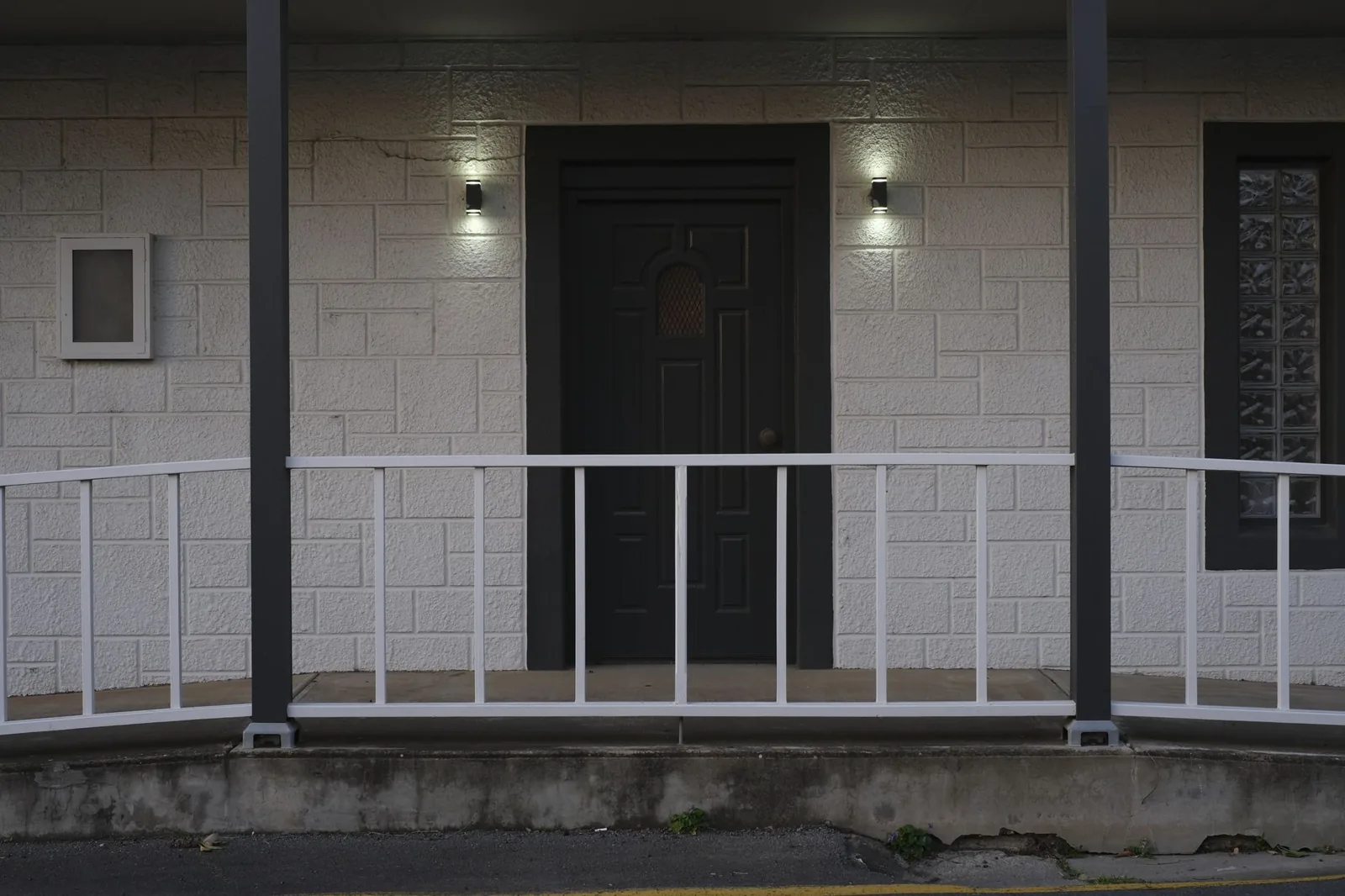
Powder-coated aluminum railings have become the standard for modern and coastal homes. Aluminum costs $30 to $60 per linear foot installed and comes in prefabricated sections that go together quickly. It never rusts, never needs painting, and cleans up with a hose and mild soap. Steel is stronger and slightly cheaper per section, but it can rust at welds and screw holes unless it’s properly galvanized and coated.
The trade-off with metal is look. Aluminum railings can read as commercial or “builder-grade” if you pick the wrong profile. Look for narrower pickets, darker matte finishes, and slim top rails to keep it looking residential rather than like a strip-mall stair.
Cable: The Modern Minimalist Look
Cable railing—stainless steel cables run horizontally between wood or metal posts—has exploded in popularity for modern and farmhouse homes alike. It preserves the view and lets light through, which matters on a porch that overlooks a yard or street. Expect to pay $50 to $90 per linear foot installed, making it one of the pricier options.
The catch is tensioning. Cables must be pulled tight and re-tensioned occasionally, and they need a rigid frame (usually aluminum or hardwood posts) to hold the tension without bowing. If your porch posts flex at all, cable will sag over time.
Glass: Maximum Light, Maximum Care
Glass panels give you an uninterrupted view and a high-end look, but they’re the most expensive and highest-maintenance choice at $80 to $150 per linear foot installed. Tempered glass is mandatory by code, and any glass near a walking path needs to be safety-rated. Glass also shows water spots, pollen, and fingerprints almost immediately, so it only makes sense if you’re willing to squeegee regularly or live in a very dry climate.
Here’s a quick comparison of the four main materials:
| Feature | Wood | Aluminum | Cable | Glass |
|---|---|---|---|---|
| Material cost / linear ft | $8–$25 | $30–$60 installed | $50–$90 installed | $80–$150 installed |
| Lifespan | 15–25 yrs | 25–40 yrs | 20–30 yrs | 20+ yrs |
| Maintenance | High (stain/paint) | Low | Medium (tension) | High (cleaning) |
| Best for | Traditional homes | Modern/coastal | Modern/farmhouse | High-end/views |
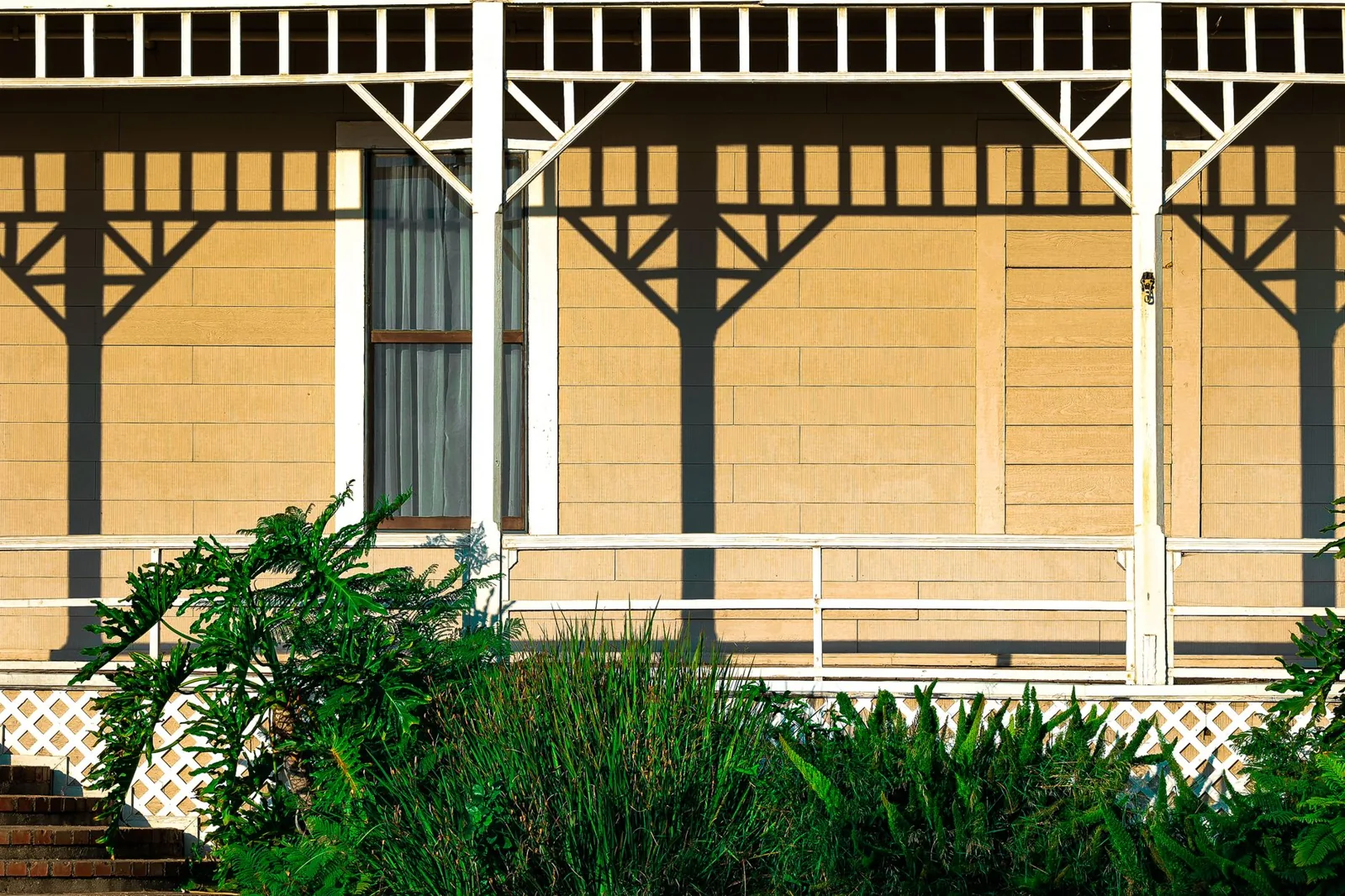
Photo by David Brown via Pexels
Style-Specific Porch Railing Ideas
Material only gets you halfway. The baluster profile, top rail, and post caps are what actually give a railing its character. These are the styles that work best on a front porch.
Farmhouse and Craftsman
Turned wood balusters painted white, paired with a chunky square top rail, are the signature farmhouse look. For a Craftsman home, skip the turned balusters and use straight, tapered square pickets with a wide flat top rail—often in a dark stain against lighter siding. Both styles read as warm and hand-built, which suits older neighborhoods.
Colonial and Traditional
Colonial homes call for symmetry and formality: evenly spaced square balusters, a substantial top rail, and squared post caps with a small overhang. Painted white or a muted color that matches the trim is the safest bet. Avoid anything that looks too thin or too modern here—it will clash with the architecture.
Modern and Mid-Century
For mid-century and contemporary homes, horizontal lines are your friend. Horizontal wood slats, flat metal pickets, or a full cable system all work. Keep the color palette narrow—black, charcoal, or natural wood—and skip decorative post caps in favor of flat or minimal caps.
How Much Porch Railings Cost
You can budget for a porch railing using a simple formula: total linear feet multiplied by the installed cost per foot, plus a little extra for posts and hardware. Here’s how the numbers shake out for a typical 20-linear-foot front porch.
- Wood (pressure-treated pine): $8–$15/ft for materials, roughly $300–$500 total for 20 feet if you DIY.
- Aluminum: $600–$1,200 for 20 feet installed.
- Cable: $1,000–$1,800 for 20 feet installed.
- Glass: $1,600–$3,000 for 20 feet installed.
Labor is the biggest variable. A handyman or carpenter will typically charge $15 to $40 per linear foot for installation on top of materials, with higher rates for stairs, corners, or repairs to the underlying framing. Get at least three quotes, and ask each contractor whether they’re pulling a permit—building departments require one for any railing that replaces a structural guardrail.
Building Codes and Height Requirements
This is the part homeowners most often skip, and it’s the part that can bite them at inspection or resale. The International Residential Code (IRC) sets the baseline, and most US municipalities adopt it with local tweaks.
- Height: A porch surface 30 inches or more above grade requires a guardrail at least 36 inches high.
- Baluster spacing: Balusters must be spaced so a 4-inch sphere cannot pass through—this is the rule that protects small children.
- Load: Guardrails must withstand a 200-pound concentrated load applied in any direction.
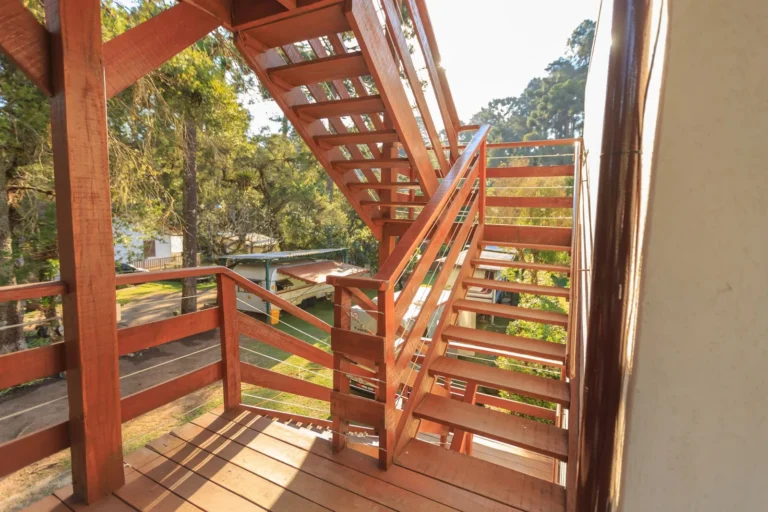
- Stairs: Stair railings have their own height range (34–38 inches) and handrail-grip requirements.
Always check your local building department before buying materials. A railing that fails a 4-inch-sphere test or comes in an inch short on height can fail an inspection and stall a home sale. For more detail on the structural side, This Old House and Family Handyman both publish clear, code-focused railing guides worth reading before you cut anything.
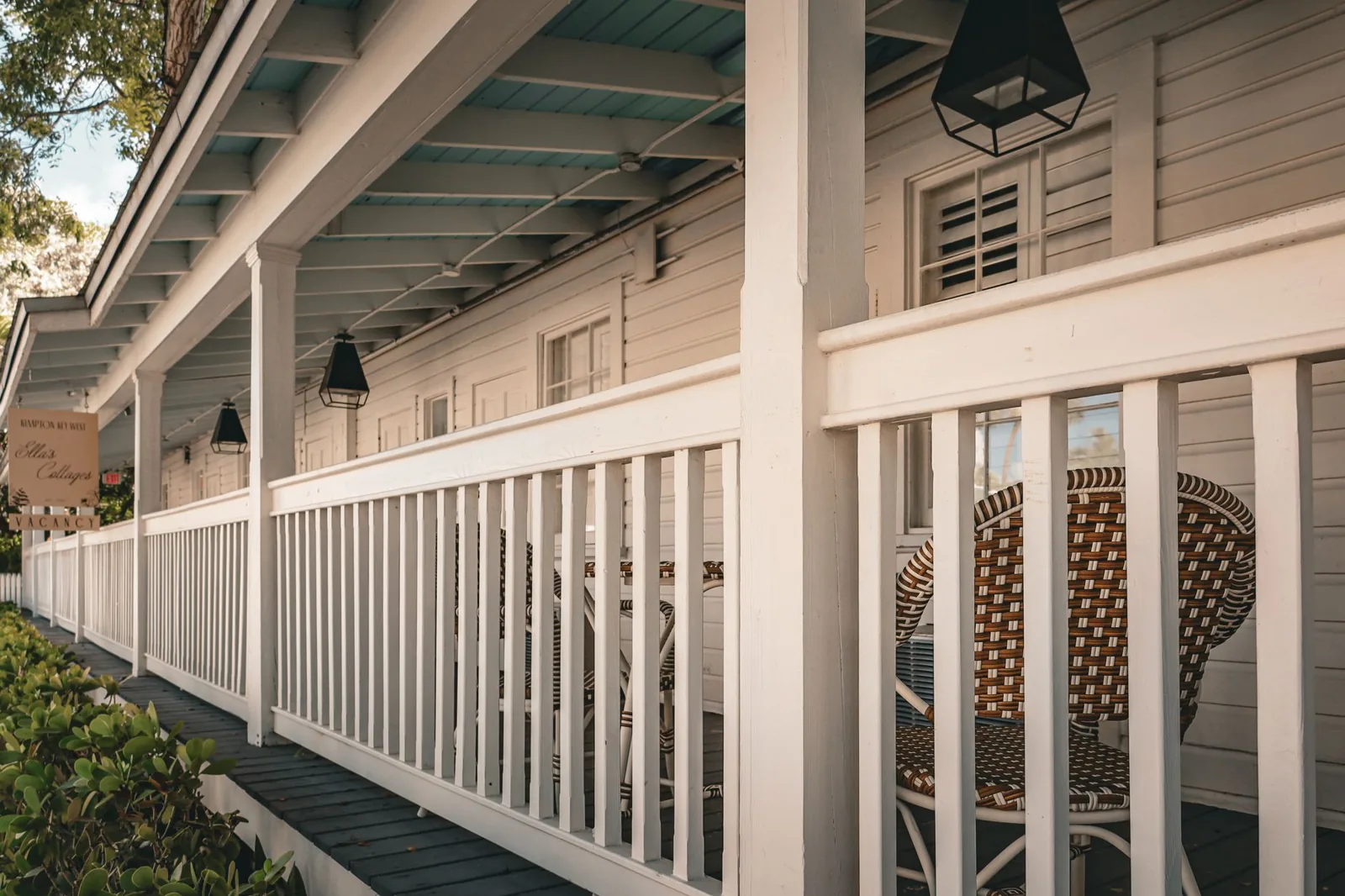
Photo by Arian Fernandez via Pexels
DIY vs. Hiring a Pro
Most homeowners can tackle a wood railing replacement as a weekend project, but the difficulty rises sharply with material choice.
DIY-friendly: Pressure-treated wood and prefabricated aluminum sections. Both use basic tools—a miter saw, level, drill, and post brackets—and go together in a day or two. The main skill is getting posts plumb and spacing balusters evenly.
Leave to a pro: Cable (tensioning is fiddly and easy to get wrong), glass (heavy, fragile, and unforgiving), and anything involving a rotted post or damaged rim joist. If the framing the railing attaches to is compromised, you’re rebuilding structure, not just swapping railings.
If you’re planning to replace the deck surface under the railing anyway, it often makes sense to do both at once and spread the cost of a permit and one contractor visit across two jobs. Our guides on deck railing ideas and covered deck ideas cover the adjoining projects, and if your porch extends into a larger outdoor build, the pergola cost per square foot figures will help you budget the whole space.
Frequently Asked Questions
What is the cheapest porch railing option?
Pressure-treated pine is the cheapest at roughly $8 to $15 per linear foot for materials. It needs staining every few years, but for a budget refresh it can’t be beat.
Do I need a railing on my porch?
Yes, if the porch surface is 30 inches or more above the ground. Below that height, railings are optional but still worth adding for looks and a sense of enclosure.
What is the standard porch railing height?
Thirty-six inches is the standard residential guardrail height for a porch 30 inches or more above grade, per the International Residential Code.
Can I install a porch railing myself?
Wood and prefabricated aluminum railings are realistic DIY projects for a competent homeowner. Cable and glass systems are better left to a professional, as are any repairs involving rotted framing.
How long does a porch railing last?
It depends on material: pressure-treated wood lasts 15 to 25 years with maintenance, while powder-coated aluminum can last 25 to 40 years. Cable and glass systems fall somewhere in the middle.
The Bottom Line
The best porch railing ideas are the ones that match your home’s architecture, fit your budget, and satisfy local code without constant upkeep. If you want the lowest cost and the most character, painted or stained wood is hard to argue with. If you’d rather set it and forget it, powder-coated aluminum is the smart long-term buy, and cable or glass earns its premium only if the view or the modern look is central to what you want.
Measure your porch, check your local height and spacing rules, and get three quotes before you commit. A railing is one of the few exterior upgrades where a modest budget produces an outsized difference in how your home looks from the curb—and how confidently guests reach for your door.