Pebble Stone Driveway Ideas: 12 Timeless Designs and What They Cost
Pebble stone driveway ideas are everywhere right now, and for good reason. A pebble driveway delivers the texture and warmth of natural stone at a price that usually undercuts full flagstone or cobblestone paving, and it drains rainwater far better than a solid concrete slab. Whether you want a tidy cottage entry, a sweeping modern approach, or a permeable surface that keeps your local drainage rules happy, pebbles give you options that poured concrete simply can’t match.
That said, “pebble” covers a lot of ground. It can mean loose rounded river rock raked over a compacted base, a bonded resin-bound surface where small stones are glued into a smooth, walkable finish, or a pressed “pebble mosaic” slab. Each has a different look, a different feel underfoot, and a very different price tag. Here’s how to choose the right one for your home, what it will cost, and what to expect when it’s time to maintain it.
Loose Pebble (Gravel) Driveways: The Budget-Friendly Classic
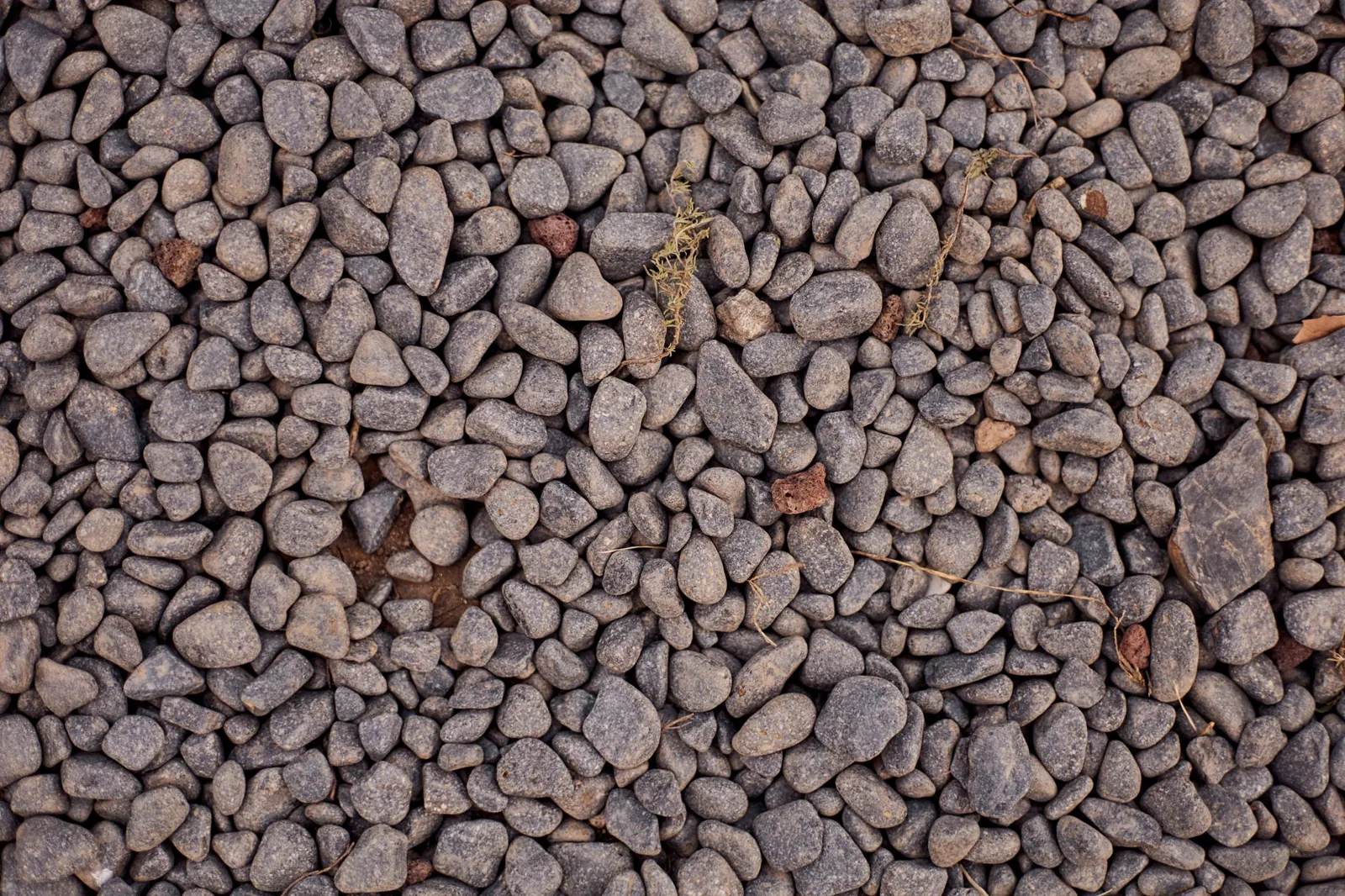
A loose pebble driveway is the most common starting point because it’s the cheapest to build. You excavate 6 to 10 inches of soil, lay a geotextile fabric to stop weeds and stop the stones from sinking into the subgrade, then spread 3 to 4 inches of angular gravel followed by a decorative top layer of rounded pea gravel or river pebbles.
Costs land around $1.50 to $4 per square foot for materials alone, with professional installation pushing the total to roughly $3 to $8 per square foot depending on depth, edging, and access. For a typical two-car driveway of about 600 square feet, that means a finished loose pebble driveway can run anywhere from $1,800 to $4,800 — noticeably less than an equivalent concrete pour.
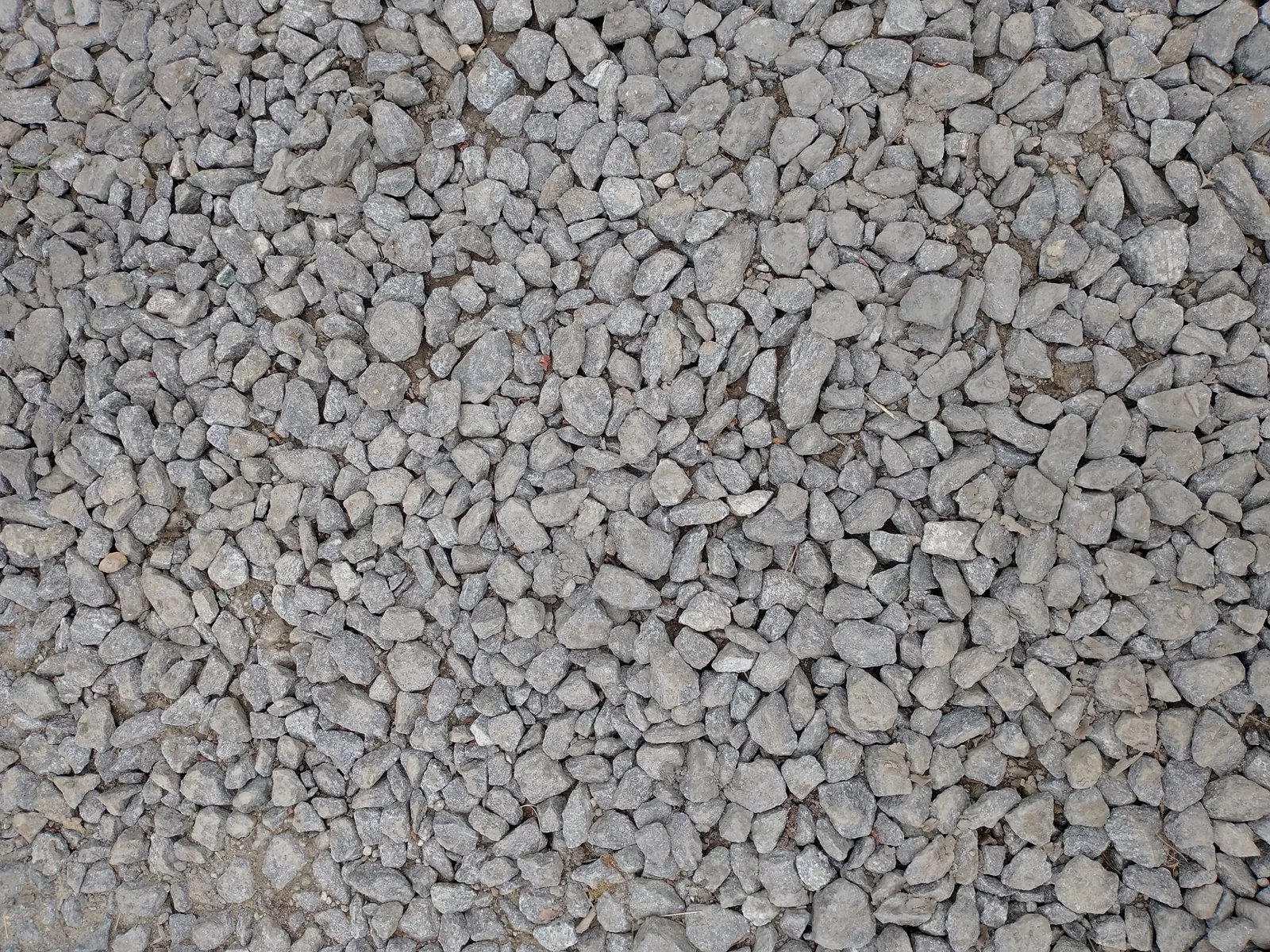
Photo by Jan ‘Sob’ Soběslav via Pexels
The trade-off is upkeep. Loose stones migrate under tires, especially on slopes or near turns, and they need occasional raking back into place and a fresh top-dress of stone every two to four years. A 6-inch steel or concrete edging is not optional — it’s the single most important detail for keeping a loose pebble driveway from bleeding into your lawn.
Resin-Bound Pebble Driveways: The Smooth, Permeable Upgrade
If you love the look of pebbles but hate the crunch and scatter of loose stone, a resin-bound surface is the modern answer. Here, washed and dried pebbles are mixed with a clear UV-stable polyurethane resin and troweled over a solid base — usually existing concrete, asphalt, or a properly built permeable sub-base. The result is a firm, smooth, puddle-free surface that still reads as natural stone.
Expect to pay $10 to $16 per square foot installed, or roughly $6,000 to $9,600 for that same 600-square-foot driveway. It’s a premium option, but it earns its keep in a few ways:
- No loose stone to track into the house or kick onto the lawn.
- Fully permeable, so it often meets local stormwater-management requirements without a separate drain.
- Weed-resistant because the resin forms a solid, bonded mat.
- Colour-stable, since a good UV-stable resin won’t yellow the way cheap epoxies do.
The catch is that resin-bound surfaces need a sound base. If your existing driveway is cracked and moving, those cracks will telegraph through. Budget to repair or replace the base first, or you’ll be paying for the finish twice.
Pebble Mosaic and Pressed Slabs
A third family of pebble stone driveway ideas sits between the loose and resin options: pre-cast or hand-laid pebble mosaics. You’ll see these as textured pavers and stepping panels where small stones are set into a cement matrix, often in a mat or wave pattern. They install like pavers over a compacted sand-and-gravel base and give a harder, more formal surface than loose gravel without the resin price.
Installed costs run $12 to $22 per square foot, putting a 600-square-foot driveway at $7,200 to $13,200. You get the durability of concrete with the visual interest of stone, and individual panels can be lifted and re-set if a spot settles. The main limitation is style: mosaic panels read more “Mediterranean courtyard” than “clean modern,” so they pair best with stucco, tile, or Spanish-style homes.
Pebble Stone vs. Other Driveway Surfaces
Pebbles aren’t the only budget-conscious or textured option on the market. Here’s how they stack up against the alternatives most homeowners consider at the same price point.
| Feature | Pebble Stone (Loose) | Resin-Bound Pebble | Exposed Aggregate | Asphalt |
|---|---|---|---|---|
| Installed cost / sq ft | $3 – $8 | $10 – $16 | $8 – $14 | $3 – $7 |
| Permeability | High | High | Low to moderate | Low |
| Traction on slopes | Fair | Good | Good | Good |
| Upkeep | Regular raking & top-dress | Low | Low | Seal every 2–3 yrs |
| Lifespan | Indefinite (with refill) | 10–20 yrs | 20–30 yrs | 15–20 yrs |
| Best for | Flat or gently sloped lots | Modern homes, drainage rules | Mid-century & rustic | Long, flat runs |
If drainage or a natural look is your priority, pebble surfaces win. If you want the lowest long-term effort on a flat site, a brick paver driveway or standard asphalt may serve you better — asphalt in particular is hard to beat on cost per square foot.
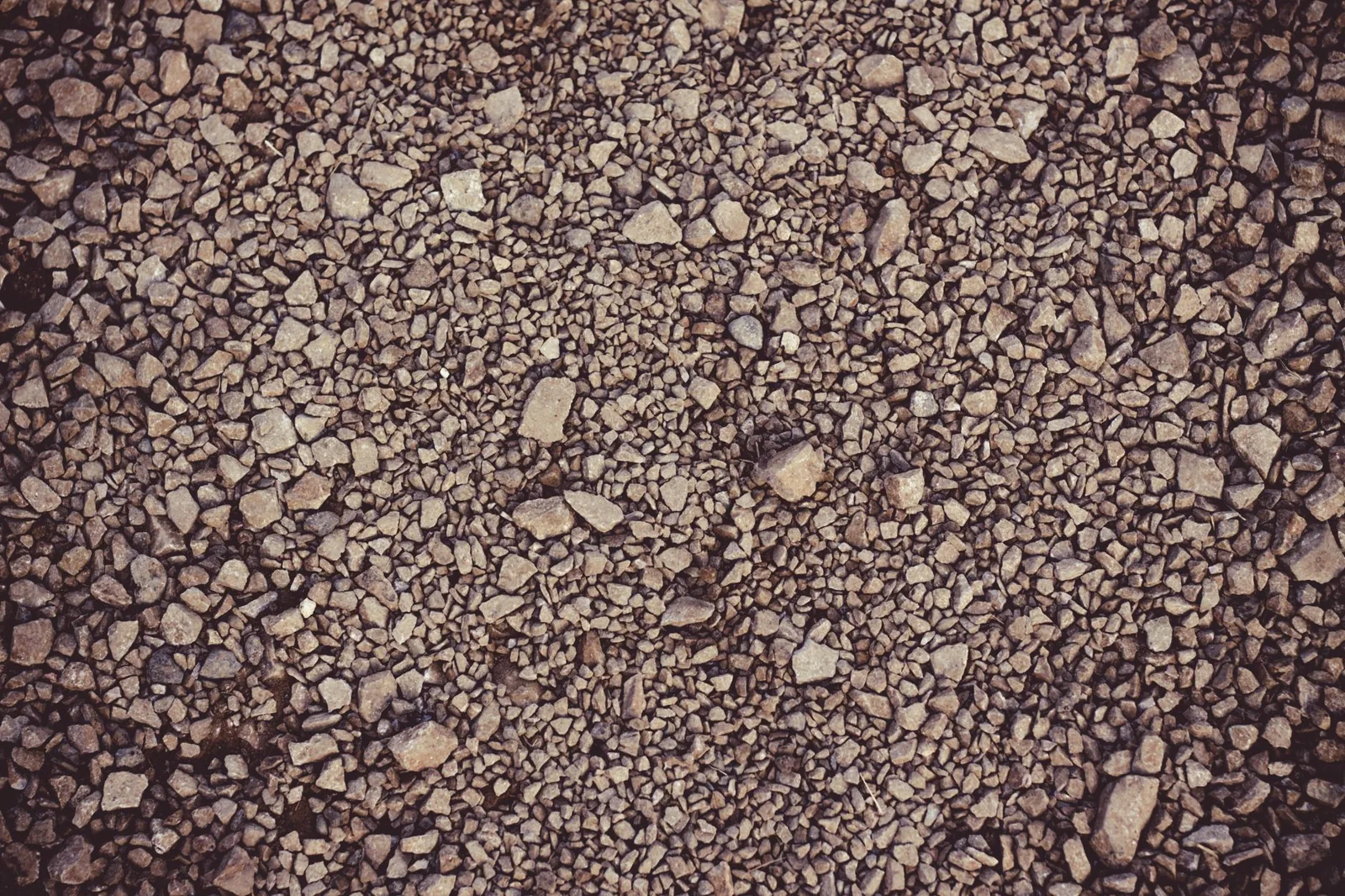
Photo by Photo Collections via Pexels
How Much Does a Pebble Driveway Cost in 2025?
Let’s put real numbers on it. Prices vary by region, but these ranges reflect national US averages as of 2025.
- Loose pea gravel driveway (600 sq ft): $1,800 – $4,800
- Resin-bound pebble driveway (600 sq ft): $6,000 – $9,600
- Pebble mosaic pavers (600 sq ft): $7,200 – $13,200
- Edging (steel, 100 linear ft): $400 – $1,200
- Excavation and base prep: $1 – $3 per sq ft
Labour is the wild card. Resin-bound and mosaic installs are skilled trades with a limited installer base, so getting three quotes can swing your price by 30% or more. Gravel is the exception — most landscapers and handymen can build a competent loose pebble driveway in a day or two.
Don’t forget the hidden costs: geotextile fabric (about $0.50 to $0.75 per square foot), crushed stone sub-base, and drainage grading. Skipping any of these to save money is the number one reason pebble driveways fail early.
Design Ideas That Elevate Curb Appeal
Once you’ve picked a surface type, the details make the driveway look intentional rather than improvised.
Border a Pebble Field With Set Stone
Run a border of set cobblestones, brick, or a contrasting paver color along both edges and around any planting beds. The contrast frames the loose pebbles and stops the eye from reading the driveway as “unfinished.”
Add a Paver Ribbon for Tires
For a loose pebble driveway on a slope or a frequently used entry, cast two 18- to 24-inch concrete paver strips where the tires travel, with pebbles filling the space between and beside them. You get the texture of pebbles with the stability of a hard surface where it matters most.
Define Parking Pads With Colour
Use a darker basalt or charcoal pebble for the parking pad and a lighter river rock for the approach. The colour shift marks the parking zone without any signage.
Plant a Permeable Rain Garden Edge
Because pebble driveways shed water so well, they pair naturally with a rain garden or dry creek bed along one edge. Grade the surface so runoff sheet-flows into planted swales, and you’ve turned a functional driveway into part of your stormwater strategy.
Maintenance: Keeping Pebbles Where They Belong
Every pebble driveway lives or dies by its maintenance routine. Here’s what each type actually requires.
- Loose pebble: Rake displaced stones back every month or two, top-dress with fresh stone every 2–4 years, and re-level any ruts before they deepen.
- Resin-bound: Sweep and power-wash annually; avoid de-icing salts, which can dull the resin. Re-coat every 5–8 years in high-traffic homes.
- Pebble mosaic: Re-set any sunken panels, sweep joints, and refresh polymeric sand in gaps as needed.
One common failure point applies to all three: the base. If you see pooling water or soft spots, the problem is almost never the pebbles on top — it’s the compacted stone and fabric underneath. Fix the base, and the surface will hold.
Frequently Asked Questions
Are pebble stone driveways durable?
Loose pebble driveways are effectively permanent as long as you top them up with fresh stone periodically. Resin-bound surfaces typically last 10 to 20 years before they need a re-coat, and mosaic pavers can last 20 to 30 years with proper base prep.
Is a pebble driveway cheaper than concrete?
Yes, usually. Loose pebble runs $3 to $8 per square foot installed versus $6 to $12 per square foot for standard poured concrete. Resin-bound pebbles, however, cost more than basic concrete — roughly $10 to $16 per square foot — so the answer depends on which pebble system you choose.
Do pebbles get stuck in car tires?
Loose gravel can lodge in aggressive off-road treads and get flung into wheel wells, but standard passenger tires rarely trap small pea gravel. If this concerns you, a resin-bound or mosaic surface eliminates the problem entirely since there are no loose stones.
Will weeds grow through a pebble driveway?
Not through a properly installed one. A geotextile fabric under the base blocks most weed growth, and any seedlings that sprout in the top layer are shallow-rooted and easy to pull. Resin-bound surfaces are essentially weed-proof because the bonded mat leaves no open soil.
Can I install a pebble driveway myself?
A loose pebble driveway is a realistic DIY project for a fit homeowner with access to a skid steer or a strong back and a plate compactor. Resin-bound and mosaic installs are best left to professionals — resin, in particular, has a short working time and requires experience to get a consistent, smooth finish.
The Bottom Line
Pebble stone driveway ideas earn their popularity honestly: they cost less than solid stone, drain better than concrete, and bring a natural texture that flat paving can’t fake. The decision really comes down to two questions — how much slope your site has, and how much maintenance you’re willing to live with. Loose pebbles are the budget champion but need regular raking; resin-bound pebbles are the smooth, low-effort premium; and mosaic panels split the difference with a formal, hardwearing surface.
Whatever route you pick, spend your money on the base and the edging first. Those are the parts that determine whether your driveway still looks good in five years. For more on comparable surfaces before you commit, see our guides to exposed aggregate concrete cost and stamped concrete patio cost, or check This Old House’s breakdown of driveway materials for a broader comparison.