Brick Paver Driveway Cost: A 2025 Pricing Guide for Homeowners
A brick paver driveway cost typically runs between $8 and $30 per square foot installed, which puts a standard two-car driveway (roughly 600 square feet) anywhere from $5,000 to $18,000 on the low end and $20,000 to $30,000 for premium clay brick on a larger footprint. The national average for a fully installed paver driveway lands around $13,000 to $15,000.
That spread is real, and it exists for good reasons. The material you choose, the condition of your sub-base, how much demolition is involved, and your local labor market all move the final number more than the pavers themselves do. Below, I break down exactly what drives the price so you can budget accurately and avoid getting overcharged.
How Much Does a Brick Paver Driveway Cost?
Before the detailed math, here are the headline numbers most contractors quote in 2025.
| Cost Component | Typical Range |
|---|---|
| Pavers (material only) | $3\u2013$8 per sq ft |
| Base prep (gravel, sand, compaction) | $2\u2013$4 per sq ft |
| Labor (installation) | $4\u2013$12 per sq ft |
| Sealing (optional) | $0.50\u2013$1.50 per sq ft |
| Total installed | $8\u2013$30 per sq ft |
For a standard 600-square-foot driveway, expect a project total of roughly $10,000 to $16,000 for mid-range concrete pavers and $15,000 to $25,000 for genuine clay brick. A 400-square-foot single-lane driveway scales down to about $4,000 to $10,000.
If you are coming from a bare dirt or gravel driveway, these figures hold. If you are replacing an existing cracked concrete or asphalt driveway, add $2 to $6 per square foot for demolition and removal of the old surface.
Brick Paver Driveway Cost by Material
The single biggest line item is the paver itself, and “brick” gets used loosely in the trades. There are two distinct products that go by that name, and they price very differently.
Clay Brick Pavers (True Brick)
Traditional kiln-fired clay bricks are the classic “herringbone driveway” look. They are dense, fade-resistant, and expensive.
- Material cost: $4 to $8 per square foot
- Installed cost: $15 to $30 per square foot
- Best for: Historic homes, high-end curbside appeal, long-term durability
Clay brick holds its color for decades and develops a sought-after patina, but it costs more to buy and takes longer to lay because the units are small and precise.
Concrete Brick Pavers
Most “brick paver” driveways today are actually concrete pavers molded to look like brick. They cost less and install faster.
- Material cost: $3 to $6 per square foot
- Installed cost: $8 to $18 per square foot
- Best for: Budget-conscious remodels, large driveways, DIY-friendly layouts
Concrete pavers offer more color and shape options, but they can fade faster than clay and are more prone to surface wear in heavy freeze-thaw climates.
| Feature | Clay Brick Pavers | Concrete Pavers |
|---|---|---|
| Installed cost / sq ft | $15\u2013$30 | $8\u2013$18 |
| Color retention | Excellent (kiln-fired) | Good, fades over time |
| DIY difficulty | High (small, precise units) | Moderate |
| Weight & wear | Very durable | Durable, can chip |
| Typical lifespan | 50+ years | 25\u201340 years |
What Drives the Price Up or Down
Seven factors move a brick paver driveway estimate more than anything else. Understanding them is how you spot an inflated quote.
1. Driveway Size and Shape
Pavers are priced per square foot, so a larger driveway simply costs more in total. Curves, borders, and rounded aprons add cutting time and waste, pushing labor up by 10\u201320% compared to a plain rectangle.
2. Sub-Base Condition
Pavers need a stable base of compacted gravel and sand, usually 6 to 12 inches deep. If your soil is soft, clay-heavy, or poorly drained, expect to pay more for extra excavation, geotextile fabric, and drainage work. Skipping this is the most common cause of a wavy, sinking driveway two years later.
3. Demolition and Removal
Replacing an old driveway means breaking up and hauling away concrete or asphalt. Budget $2 to $6 per square foot for demo plus dump fees. If you are laying pavers over bare ground, you skip this entirely.
4. Pattern and Borders
A basic running-bond or herringbone pattern is standard. Add a contrasting border, a fan pattern, or an inlaid design and expect to pay more, both for materials and for the extra labor of cutting edge pieces.
5. Edging and Restraints
Pavers need a rigid edge restraint (plastic, aluminum, or concrete) so they don’t drift outward under car weight. This is cheap in materials but adds labor. Never let a contractor skip it.
6. Sealing
Sealing protects the surface from stains and locks in joint sand. It is optional but recommended, especially with lighter colors. Budget $0.50 to $1.50 per square foot, reapplied every 2\u20134 years.
7. Permits and Access
Some municipalities require a permit for driveway work, and a long or awkwardly located driveway that’s hard to reach with equipment can add delivery and mobilization fees. Ask your contractor to itemize these instead of burying them.
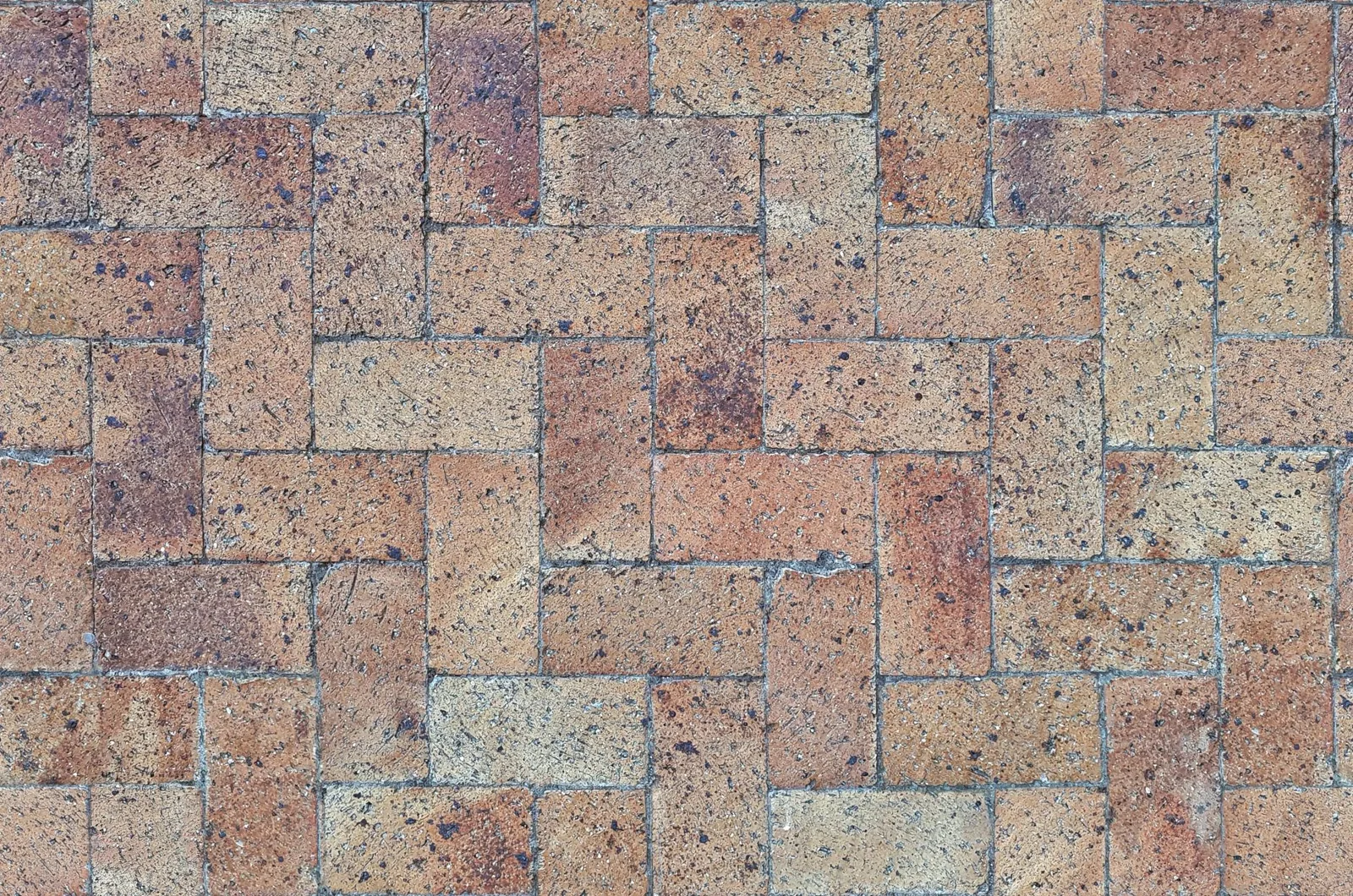
Photo by TXTR via Pexels
Brick Pavers vs. Other Driveway Surfaces
Brick pavers are rarely the cheapest option, so it’s worth knowing what you’re trading for that price.
| Surface | Installed Cost / sq ft | Lifespan | Notes |
|---|---|---|---|
| Brick pavers | $8\u2013$30 | 25\u201350+ yrs | Repairable, premium look |
| Asphalt | $3\u2013$7 | 15\u201320 yrs | Cheapest up front, needs resealing |
| Stamped concrete | $8\u2013$18 | 20\u201330 yrs | Paver look without joints |
| Gravel | $1\u2013$3 | Indefinite w/ maintenance | Cheap but drifts and needs topping up |
The key advantage of brick pavers is repairability. If a section settles or a paver cracks, you lift out the affected bricks, fix the base, and reset them. A cracked concrete slab or asphalt patch, by contrast, usually needs a larger repair or a full section replacement. That repairability is a big reason paver driveways can last decades longer than a poured surface.
DIY vs. Hiring a Professional
Laying a paver driveway is one of the more approachable DIY hardscape projects, but it is physically punishing and easy to get wrong at the base-prep stage.
- DIY material cost: roughly $3 to $8 per square foot in materials, or $1,800 to $4,800 for a 600-square-foot driveway
- Professional total: roughly $5,000 to $18,000 for the same driveway
You can realistically save 50\u201360% doing it yourself, but you will need a plate compactor, a level, string lines, and several weekends of hard labor. The base is the make-or-break step: an improperly compacted base will settle and create ruts and low spots within the first two years. If you are not confident in your grading and compaction work, the money you “save” will get spent again fixing it.
For most homeowners, the smart split is to hire out the base and drainage prep and lay the pavers yourself, or to simply hire a pro for the whole job and protect yourself with a written warranty on the base.
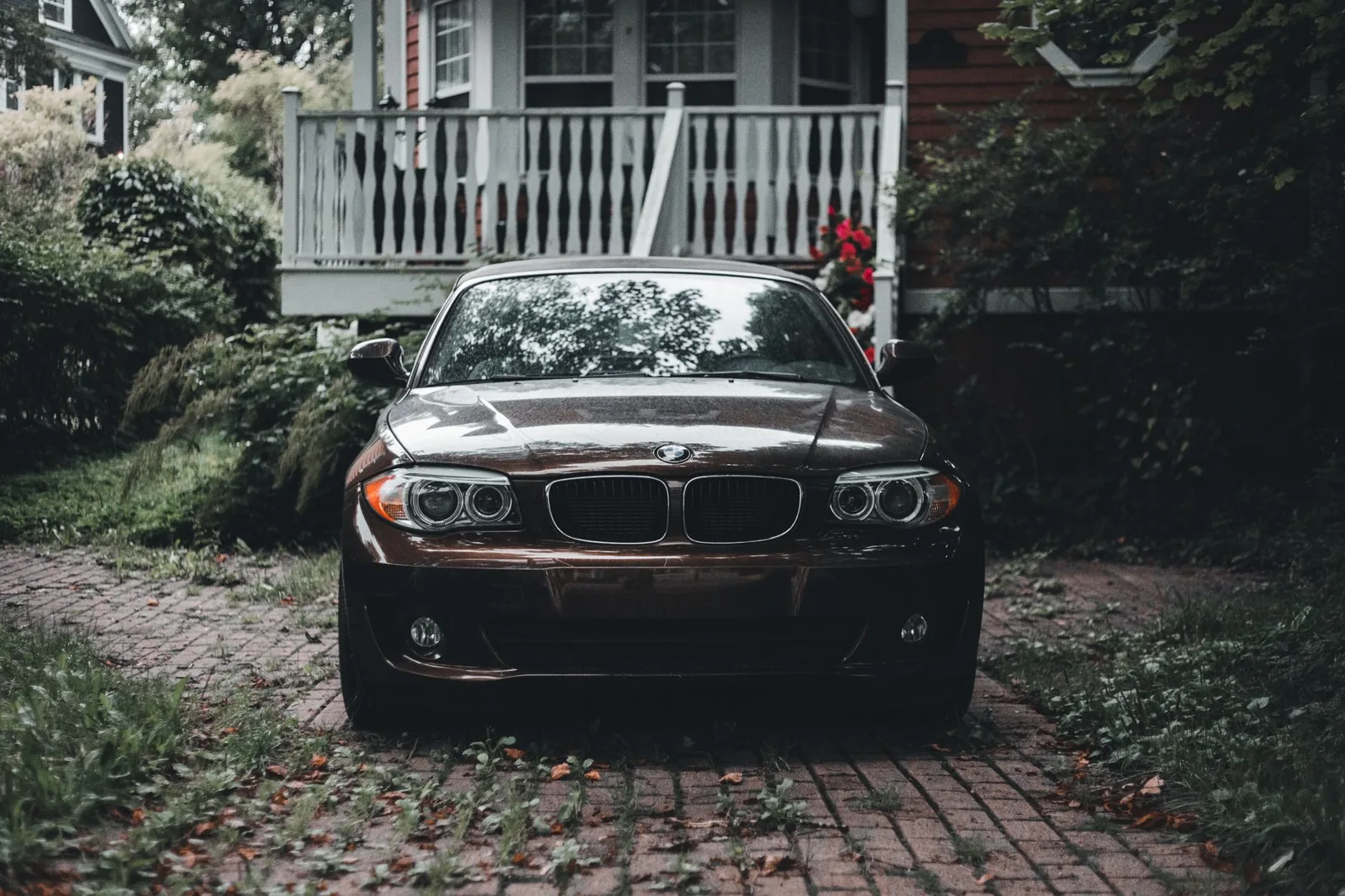
Photo by Erik Mclean via Pexels
Frequently Asked Questions
How much does a brick paver driveway cost for 1,000 square feet?
At $8 to $30 per square foot installed, a 1,000-square-foot driveway runs roughly $8,000 to $30,000. Expect to sit near the middle, around $12,000 to $18,000, for mid-range concrete pavers.
Are brick pavers more expensive than concrete?
Yes. Clay brick pavers typically run $15 to $30 per square foot installed, while a poured concrete driveway costs $6 to $12 per square foot. Concrete pavers styled like brick fall in between at $8 to $18 per square foot.
How long does a brick paver driveway last?
A properly installed paver driveway with a good base lasts 25 to 50 years or more. Clay brick frequently outlasts concrete pavers, and individual units can be replaced as needed, which extends the overall life of the surface.
Can I install brick pavers over an existing concrete driveway?
Sometimes. Pavers can be laid over a concrete slab if the slab is sound and drains well, which saves on base prep but adds height at the edges. If the concrete is cracked and shifting, it must be removed first. See our guide on repairing cracks in concrete driveways to assess whether yours is a candidate.
What is the cheapest paver option?
Concrete pavers are the most affordable “brick” option at $3 to $6 per square foot for materials. For the absolute lowest upfront cost across all surfaces, gravel or asphalt wins, but pavers pay off over time through repairability and longevity. Compare asphalt driveway cost per square foot if budget is the priority.
The Bottom Line
A brick paver driveway is a premium upgrade that typically costs $8 to $30 per square foot installed \u2014 more than asphalt or poured concrete, but with a lifespan and repairability those surfaces can’t match. The two numbers that matter most are your material choice (concrete pavers at the low end, clay brick at the high end) and your sub-base prep, which is the single most important factor in how long the driveway stays flat and intact.
Get at least three itemized quotes, and insist each one breaks out materials, base prep, demo, and edging separately. According to Angi, the average paver driveway project lands near $14,000 nationally, while Bob Vila recommends budgeting extra for demolition and drainage on replacement jobs. Use those as your baseline, then push every bid against the per-square-foot ranges above.
A well-installed brick paver driveway raises curb appeal and holds its value for decades. If you’re weighing it against stamped concrete or a simpler concrete walkway, price out the full lifetime cost, not just the first invoice \u2014 brick pavers usually win that math.