Exposed Aggregate Concrete Cost: A Complete 2026 Price Guide
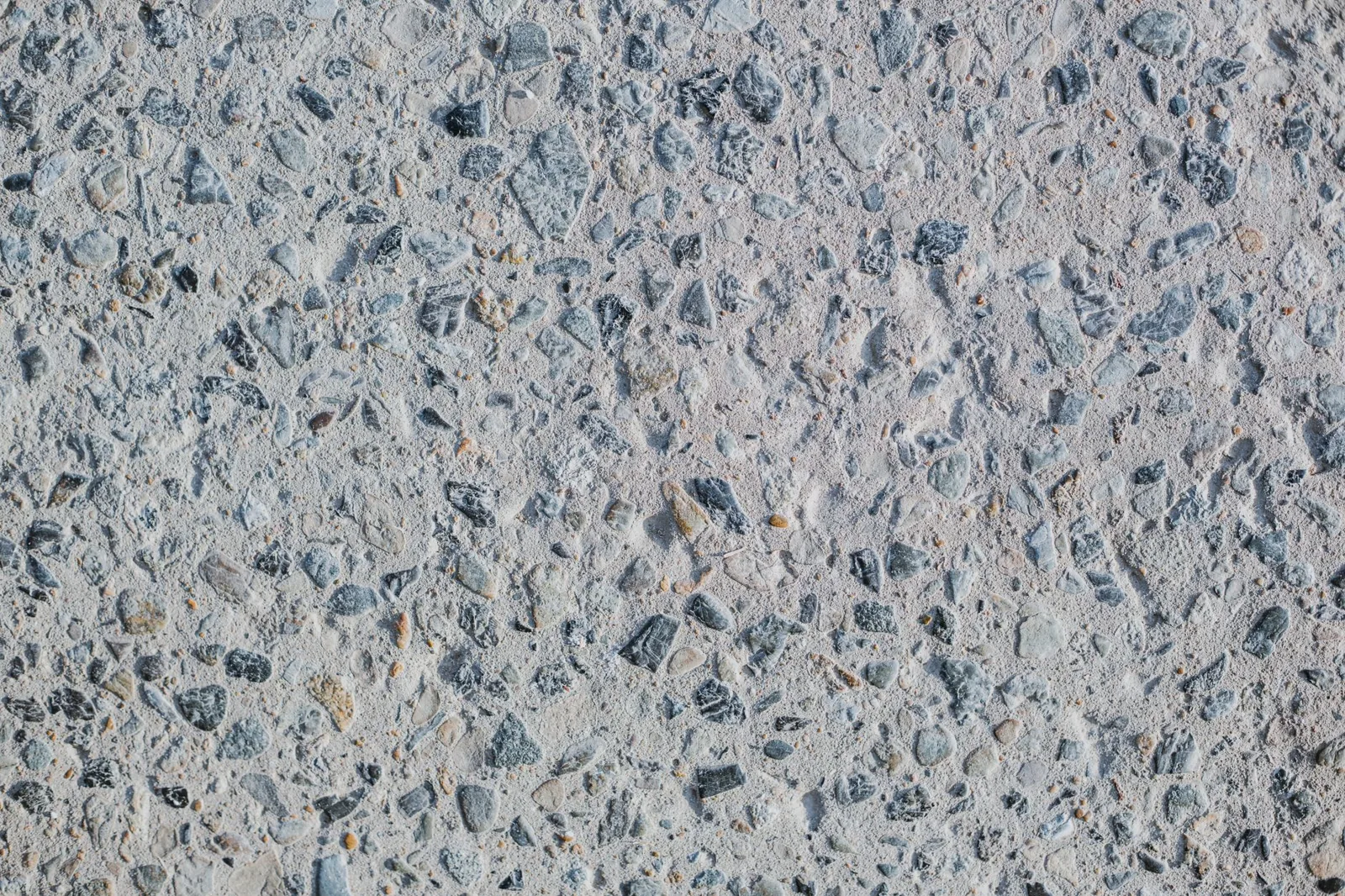
Exposed aggregate concrete is the finish you get when the top layer of cement paste is washed or scrubbed away to reveal the pebbles, stone, or crushed glass mixed into the slab. The result is a slip-resistant, textured surface that hides stains better than smooth concrete and gives a driveway or patio a natural, decorative look that plain gray can’t match.
The exposed aggregate concrete cost is usually the first number homeowners want pinned down, and for good reason: it lands higher than a basic broom finish but typically below stamped concrete. In 2026, expect to pay between $8 and $18 per square foot installed, with most residential projects settling into the $12 to $15 range.
What you actually pay comes down to the aggregate you choose, how much prep the site needs, and where you live. Below I break down real per-square-foot numbers, cost by project type, and the finish trade-offs so you can budget without surprises.
What Is Exposed Aggregate Concrete?
Exposed aggregate isn’t a different material from standard concrete. It’s a finishing technique. Contractors mix decorative stone into the concrete before pouring, then remove the surface cement to expose it. Two methods get the job done:
- Washed method. The pour is left to set briefly, then a “surface retarder” is applied and the top paste is hosed off with water to reveal the stone below.
- Seeded method. Aggregate is scattered or “seeded” onto the top of a wet slab and pressed in, then the excess paste is removed.
Because the stones sit slightly proud of the surface, exposed aggregate grips underfoot even when wet, which is why it shows up so often around pools and on sloped driveways. The finish also wears well in freeze-thaw climates as long as the slab is sealed and the joints are cut correctly.
Average Exposed Aggregate Concrete Cost Per Square Foot
Most contractors quote exposed aggregate concrete by the square foot, and the national installed range in 2026 is $8 to $18 per square foot. That figure normally includes materials, labor, site prep, and a first coat of sealer. Simple jobs with pea gravel fall at the bottom of that range; premium aggregates like quartz or granite chips push the price toward the top.
Here’s how the aggregate choice moves the number:
| Aggregate Type | Installed Cost Per Sq Ft | Look & Best Use |
|---|---|---|
| Pea gravel | $8–$10 | Small, rounded stones; budget driveways and walkways |
| River rock | $10–$14 | Larger rounded stones; visible texture, patios |
| Crushed granite | $12–$16 | Angular, high-contrast chips; driveways |
| Quartz or marble chips | $14–$18 | Sparkling, light-reflective finish; pool decks |
Add $0.50 to $1.50 per square foot for sealing, and expect to reseal every two to three years to keep the color locked in and the surface protected from de-icing salts.
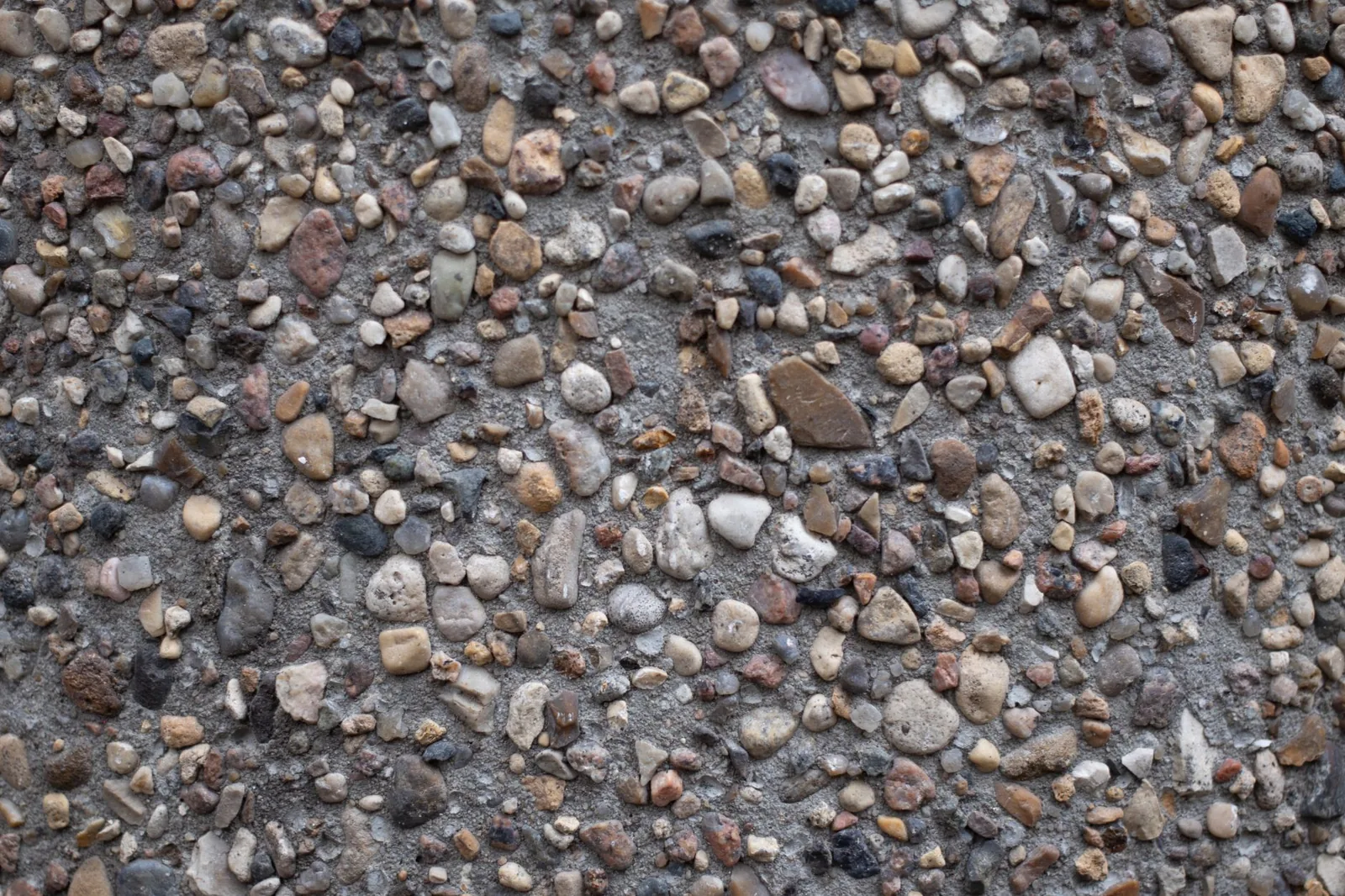
Photo by Monstera Production via Pexels
What Drives the Cost of Exposed Aggregate Concrete
The headline per-square-foot figure is useful, but four variables explain most of the spread between a $3,500 patio and an $11,000 one.
The Aggregate Itself
Specialty stone is where the money goes. Pea gravel is cheap and widely available; tumbled river rock, crushed granite, and imported quartz cost more to buy and more to truck in. If you want a custom blend or a specific color match, expect to pay a premium for sourcing.
Labor and Installation Method
The washed and seeded methods are more labor-intensive than a straight trowel finish. Exposing the stone takes extra workers, careful timing, and cleanup, so labor typically makes up 50 to 60 percent of the total exposed aggregate concrete cost. Small jobs cost more per square foot because crews still charge for mobilization and setup.
Site Preparation and Subgrade
If your yard needs excavation, grading, or removal of an old slab, the per-square-foot price climbs fast. A proper compacted gravel base and good drainage matter more with exposed aggregate than with plain concrete, because a cracked or heaving slab is far more visible when the surface has texture.
Sealing and Finishing
A quality penetrating or film-forming sealer such as Surebond SB-6000 runs $0.50 to $1.50 per square foot applied. Skipping it is a false economy: unsealed aggregate dulls, stains, and spalls within a few seasons, especially in cold climates with road salt.
Exposed Aggregate Concrete Cost by Project Type
Here’s what the square-foot figure translates to for the jobs homeowners actually hire out:
| Project | Typical Cost Per Sq Ft | Total Installed Cost |
|---|---|---|
| Driveway (400–800 sq ft) | $10–$18 | $6,000–$14,000 |
| Patio (250–450 sq ft) | $8–$15 | $2,500–$6,500 |
| Walkway (100–250 sq ft) | $8–$14 | $1,000–$3,200 |
| Pool deck (300–600 sq ft) | $10–$18 | $3,000–$10,000 |
Driveways carry the highest totals simply because they’re the largest pours. If you’re comparing options for a new driveway, our breakdown of asphalt driveway cost per square foot is a useful baseline — asphalt runs cheaper up front but needs resealing more often.
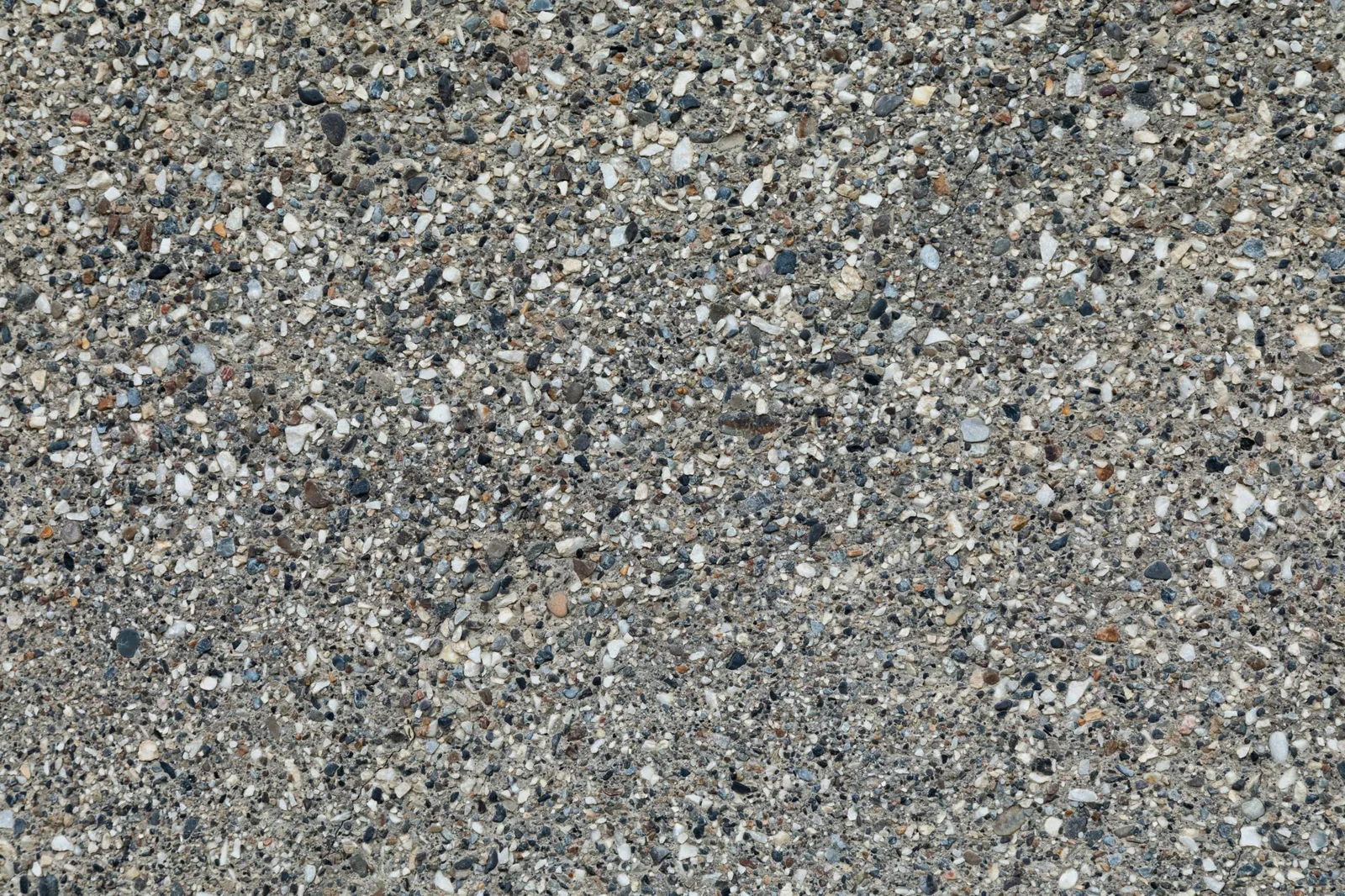
Photo by Collab Media via Pexels
Exposed Aggregate vs. Other Concrete Finishes
When homeowners weigh exposed aggregate, they’re usually deciding between it, stamped concrete, and a basic broom finish.
| Feature | Exposed Aggregate | Stamped Concrete | Broom Finish |
|---|---|---|---|
| Installed cost per sq ft | $8–$18 | $10–$25 | $5–$10 |
| Slip resistance | High | Medium | Medium |
| Hide stains & wear | Excellent | Good | Poor |
| Color/design options | Limited to stone | Wide (patterns, tints) | Minimal |
| Reseal schedule | Every 2–3 years | Every 2–3 years | Optional |
Exposed aggregate beats stamped concrete on price and traction, but it can’t mimic brick, flagstone, or wood plank patterns. If pattern matters more than texture, our guide to stamped concrete patio cost walks through what decorative stamping adds to the bill.
Can You DIY Exposed Aggregate Concrete?
You can, and it’s where the biggest savings live. Buying concrete and pea gravel yourself and renting a mixer cuts the exposed aggregate concrete cost to roughly $4 to $6 per square foot in materials. That’s a 50 percent or better saving versus hiring out.
The catch is that exposing the aggregate is timing-sensitive work. Wash the paste too early and you’ll dislodge the stone; wait too long and the retarder won’t bite, leaving a plain gray slab. You’ll also need a concrete mixer, wheelbarrows, a screed, a bull float, and a power washer or hose with strong pressure. For a driveway, rent a front-discharge truck or be prepared to pour in sections.
A walkway or small patio is a reasonable DIY project. A full driveway is where most first-timers regret skipping the pro, because a botched pour is expensive to tear out and repour.
How to Keep Exposed Aggregate Concrete Costs Down
A few practical moves keep the price in check without cutting corners:
- Stick to pea gravel or local river rock instead of imported granite or quartz.
- Pour in the off-season. Late fall or early spring often brings lower labor rates than peak summer.
- Do the demolition and prep yourself if you’re replacing an old surface — removing an existing slab yourself can save $1,000 to $3,000.
- Combine projects. A driveway and walkway poured together share mobilization and setup costs.
- Get three itemized quotes and compare the aggregate, sealer, and subgrade line items, not just the total.
- Seal on schedule. Every reseal you skip turns into a more expensive repair later, and cracks in exposed aggregate are harder to patch invisibly than in smooth concrete.
Frequently Asked Questions
Is exposed aggregate concrete more expensive than regular concrete?
Yes. A standard broom-finished slab runs $5 to $10 per square foot installed, while exposed aggregate runs $8 to $18 per square foot. The premium covers the decorative stone and the extra labor to expose and seal it.
How long does exposed aggregate concrete last?
A properly installed and sealed exposed aggregate driveway or patio lasts 25 to 30 years, roughly the same as standard concrete. Sealing every two to three years and repairing cracks promptly are the two habits that get you there.
Can exposed aggregate concrete be repaired if it cracks?
Yes, but matching the texture is tricky. Small cracks can be filled with a polymer patching compound, while larger damage may need a section removed and repoured. For step-by-step guidance, see our article on how to repair cracks in a concrete driveway.
Does exposed aggregate concrete get hot in summer?
It stays cooler than dark stamped concrete or asphalt because the stones and light paste reflect more heat. A lighter aggregate like quartz or cream river rock keeps a pool deck noticeably more comfortable under bare feet.
Is exposed aggregate concrete slippery when wet?
No — this is one of its main selling points. The exposed stones create a rough surface that provides excellent traction in the rain, which is why it’s a common choice for driveways on slopes and for pool surrounds.
The Bottom Line
Exposed aggregate concrete cost lands at $8 to $18 per square foot installed in 2026, with driveways totaling $6,000 to $14,000 and patios running $2,500 to $6,500. It costs more than a broom finish and less than stamped concrete, and it repays the difference in traction, stain resistance, and decades of low-maintenance life.
Budget for the sealer and the reseal cycle, not just the pour. Get at least three itemized quotes, and don’t let a rock-bottom price skip the subgrade prep — that’s the part that determines whether the slab stays flat for 30 years. If you’re still comparing options, Bob Vila’s breakdown of concrete costs and This Old House’s guide to exposed aggregate are solid places to cross-check your numbers before you sign a contract.