Asphalt Driveway Cost Per Square Foot: 2025 Pricing Guide
If you’re budgeting for a new driveway, the asphalt driveway cost per square foot is the number most homeowners start with — and for good reason. It gives you a clean, apples-to-apples way to compare quotes, no matter how odd-shaped your driveway happens to be. On a typical project, asphalt runs $2 to $5 per square foot installed, which puts a standard two-car driveway (roughly 600 square feet) between $2,400 and $6,000 all in.
The catch is that the per-square-foot figure is a starting point, not a fixed price. Your final bill moves based on where you live, how much prep work the site needs, the thickness of the asphalt, and whether you’re paving fresh ground or ripping out an old surface first.
This guide walks through the real numbers, the factors that push the price up or down, and the questions worth asking before you sign a contract.
How Much Does an Asphalt Driveway Cost Per Square Foot?
Asphalt is consistently the most affordable paved-surface option for residential driveways. Here’s how the numbers break down by project size:
| Driveway Size | Square Feet | Typical Installed Cost |
|---|---|---|
| Single car | 300–400 sq ft | $1,500–$3,000 |
| Two cars | 500–700 sq ft | $2,400–$6,000 |
| Three cars / extra-wide | 800–1,200 sq ft | $3,600–$8,400 |
| Long or custom | 1,200+ sq ft | $5,000–$12,000+ |
Asphalt has a comfortable cost edge over stamped concrete patios and interlocking brick paver driveways, which is exactly why it’s the default choice for so many suburban homes. The trade-off is lifespan: a well-installed asphalt driveway lasts 15 to 20 years, while a properly poured concrete slab can run 30-plus.
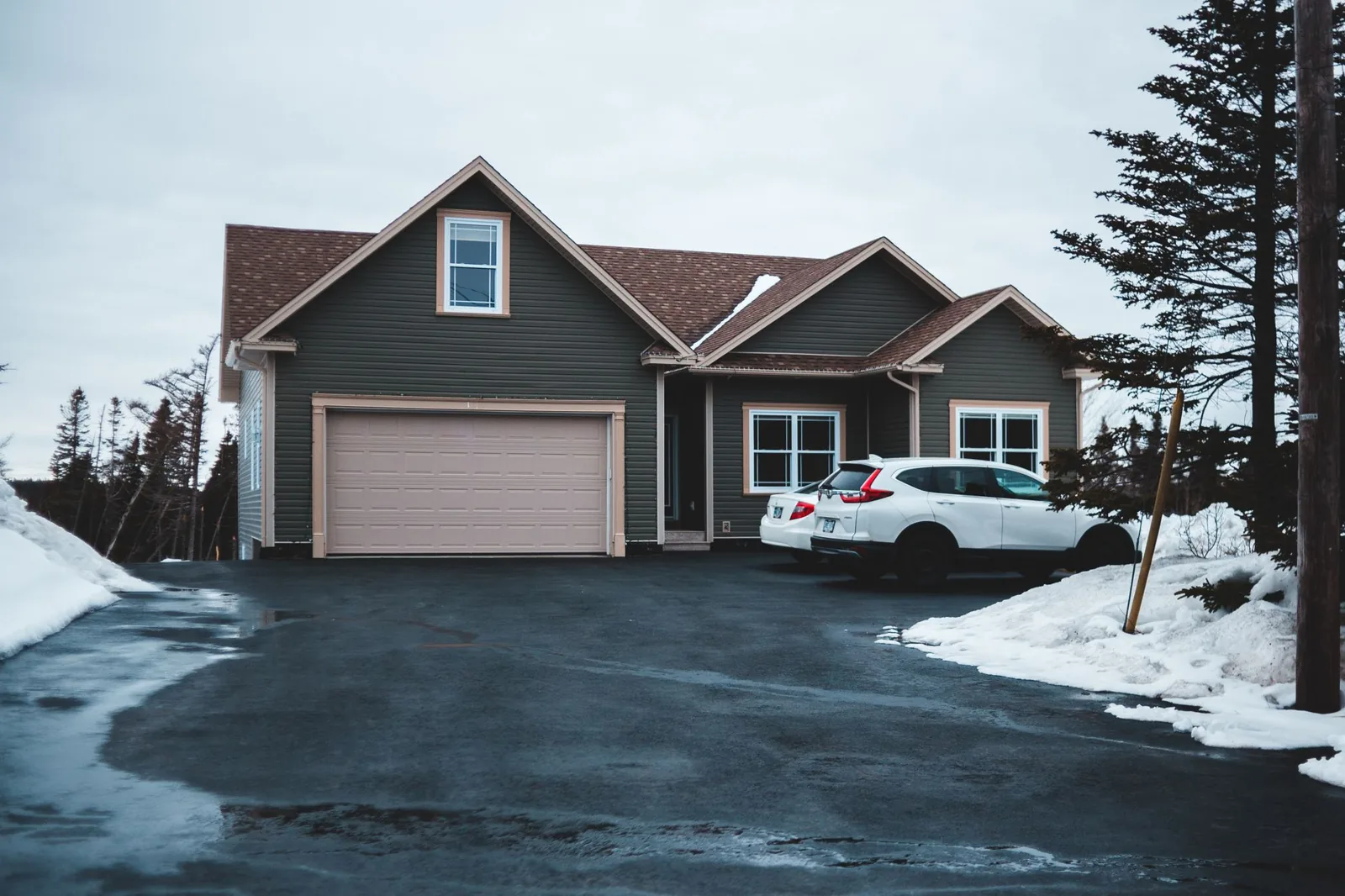
Photo by Erik Mclean via Pexels
What Determines the Price of Asphalt Paving
Contractors don’t pull numbers out of thin air. Most of the variance between quotes comes down to five factors.
1. Site Preparation
This is the single biggest wildcard. A flat, already-graded lot is cheap to prep. A site with poor drainage, thick sod, tree roots, or an old concrete slab to remove can add $1 to $3 per square foot before a single load of asphalt is poured. Gravel base is almost always required and typically accounts for a third of the total cost.
2. Asphalt Thickness
Residential driveways are usually laid in 2 to 3 inches of compacted hot-mix asphalt. The thicker the mat, the more it costs — but the longer it holds up. Most pros recommend at least 3 inches for anything that will see trucks or heavy vehicles.
3. Region and Labor Rates
Asphalt prices track petroleum prices, and labor varies by market. Expect to pay more in the Northeast and on the West Coast, and less in the South and Midwest. Get at least three local quotes; the spread between them is often 20% or more.
4. Driveway Size and Shape
Larger jobs get a better per-square-foot rate because the crew and equipment are already mobilized, but a long or unusually wide driveway still costs more in total. Curves, borders, aprons at the street, and drainage swales all add forming time, which is pure labor. A simple rectangle is always the cheapest geometry, so if the budget is tight, keep the shape as clean as the site allows.
5. Overlay vs. Full Replacement
On a driveway whose base is still sound, contractors can often lay a fresh 2-inch mat of asphalt directly over the existing surface instead of tearing everything out. This overlay approach can cut the total bill by 30% to 40%, since you skip demolition, haul-off, and most of the new gravel base. It only works when the underlying structure is intact — if the current surface is heaved, cracked through, or draining poorly, an overlay just hides the problem and fails early.
6. Access and Haul Distance
If a truck can back right up to the driveway, you’re in good shape. Tight lots, long driveways, or a job site far from the asphalt plant all add hauling and labor time.
7. Season
Asphalt installs best in warm weather, so most paving happens spring through early fall. Booking a job in the off-season can occasionally score you a small discount, but paving in cold weather risks a weaker finished surface.
Asphalt vs. Concrete vs. Gravel Driveways
If you’re still deciding on material, here’s a quick side-by-side of the three most common options:
| Feature | Asphalt | Concrete | Gravel |
|---|---|---|---|
| Cost per sq ft | $2–$5 | $4–$8 | $1–$3 |
| Lifespan | 15–20 years | 30+ years | Indefinite (with upkeep) |
| Maintenance | Seal every 2–3 years | Seal every few years, repair cracks | Rake, regrade, top up |
| Winter / snow | Good, dark color melts snow fast | Good | Fair, can rut and scatter |
| Curb appeal | Clean, classic | Premium look | Rural, casual |
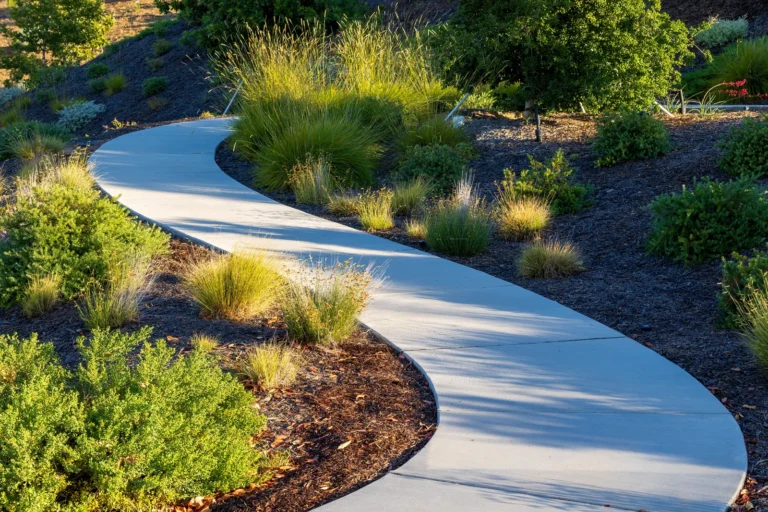
Asphalt is the smart middle option for most homes: it looks far better than gravel and costs meaningfully less than concrete. For a smaller project like a concrete walkway, the math shifts — those surfaces are more about appearance than load-bearing.
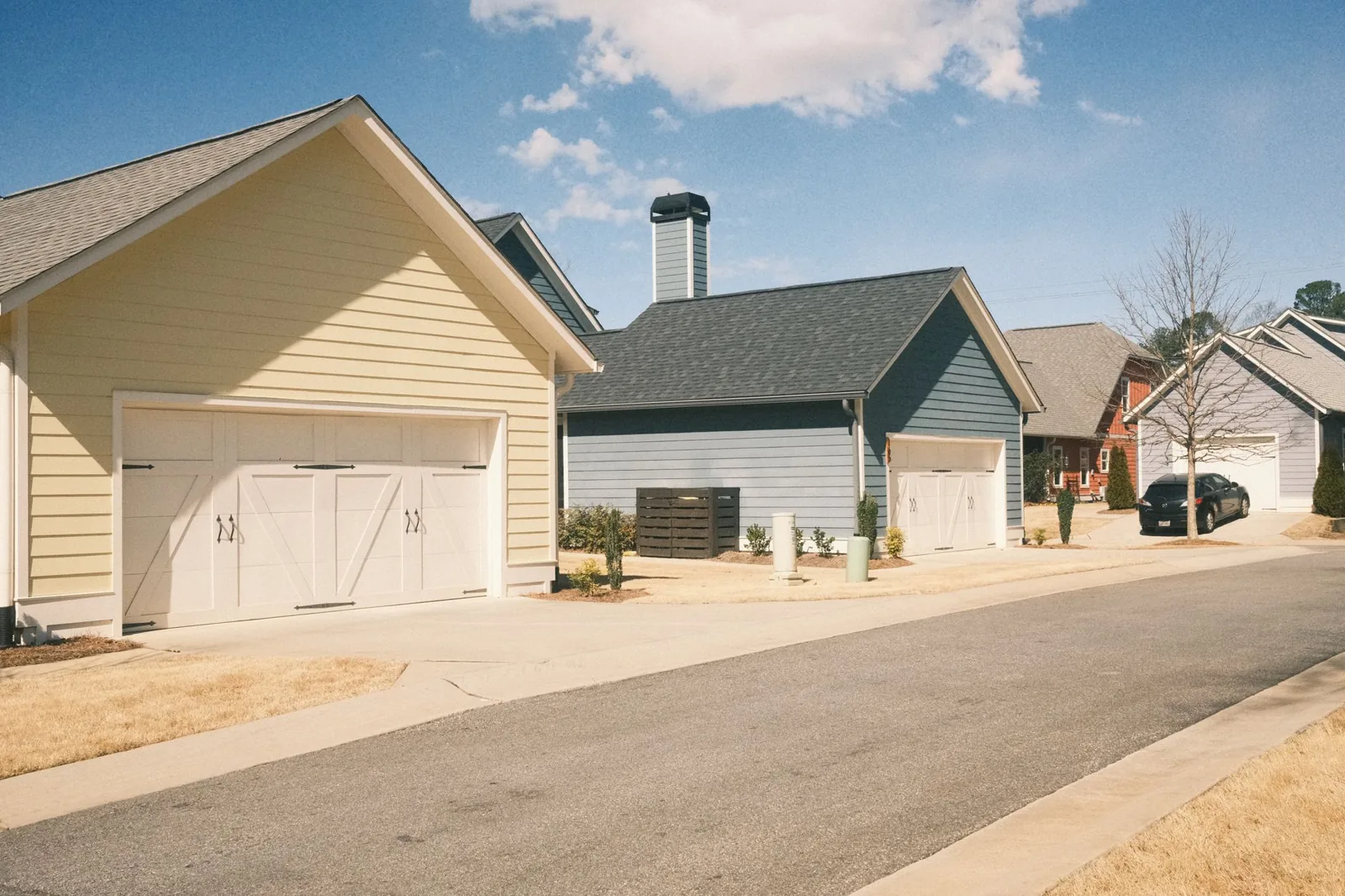
Photo by Ian Ramírez via Pexels
Breaking Down the Total Project Cost
The per-square-foot rate is the headline number, but it’s not the whole invoice. Here’s what a typical quote actually contains:
- Removal and disposal — tearing out an old driveway runs $1 to $2 per square foot, plus hauling fees.
- Base and grading — the gravel base, compaction, and grading usually make up 30–40% of the job.
- Hot-mix asphalt — the material itself, delivered and installed, is the remaining bulk of the cost.
- Sealcoating — a first coat is often a separate line item, roughly $0.10 to $0.25 per square foot.
- Permits and inspection — some municipalities require a permit; budget $50 to $200 depending on where you live.
Ask any contractor to itemize these rather than giving you one lump sum. A detailed breakdown makes it far easier to compare bids fairly.
How to Get an Accurate Quote
The best way to avoid surprises is to ask the right questions up front.
- How thick will the asphalt be? Confirm it’s at least 2 inches, ideally 3.
- What base material and depth are included? A good base is 6 to 8 inches of compacted gravel.
- Is old-surface removal in the price? Get this in writing.
- Does the quote include sealing? If not, add it to your budget.
- What’s the warranty? Many installers offer 1 to 5 years on workmanship.
Also request references and check that the contractor is licensed and insured in your state. The Angi guide to asphalt paving is a useful benchmark for comparing your local numbers.
Ways to Save on an Asphalt Driveway
None of these shortcuts should come at the expense of a proper base or adequate thickness, but there are legitimate ways to trim the bill:
- Time your project for late season, when paving crews are less booked.
- Get 3–4 quotes and let contractors know you’re comparing.
- Bundle work — paving a driveway and a short repair of existing cracks at the same time can lower mobilization costs.
- Keep the layout simple — curves, borders, and custom widths add labor.
- Maintain it properly — sealing every 2–3 years is far cheaper than an early replacement.
Frequently Asked Questions
How much does it cost to pave a driveway with asphalt?
A standard two-car asphalt driveway of about 600 square feet typically costs $2,400 to $6,000, or roughly $2 to $5 per square foot installed. Larger driveways and heavy site prep push the total higher.
Is asphalt cheaper than concrete?
Yes. Asphalt averages $2 to $5 per square foot, while concrete runs $4 to $8 per square foot. Asphalt has a shorter lifespan, but its lower upfront cost makes it the more budget-friendly choice for most homes.
How long does an asphalt driveway last?
With a proper gravel base and regular sealcoating, an asphalt driveway lasts 15 to 20 years. Skipping maintenance or parking heavy vehicles can cut that to a decade or less.
Can I pave over an existing asphalt driveway?
Sometimes. If the existing surface is sound and not badly cracked, a contractor can lay a new layer of asphalt over it — a process called an overlay. But if the base has failed, the old surface must be removed and the base rebuilt.
How soon can I drive on a new asphalt driveway?
Wait 48 to 72 hours for light vehicles and a full 7 days before parking heavy cars or trucks on the new surface. Asphalt keeps curing for months, so avoid sharp turns and kickstands in the first few weeks.
The Bottom Line
The asphalt driveway cost per square foot lands between $2 and $5 installed, making it the most affordable paved option for a durable, good-looking driveway. For a typical two-car home, plan on $2,400 to $6,000 — and remember that the cheapest bid is rarely the best one.
Put your energy into the details that matter: a thick-enough mat, a solid gravel base, and a contractor who itemizes the quote and stands behind their work. Get a few written estimates, compare them line by line, and you’ll land a fair price that holds up for the next two decades.
Ready to explore your options? Start by comparing asphalt against stamped concrete and brick pavers to make sure you’re choosing the right surface for your home.