Vinyl Fence vs Wood Fence: Cost, Lifespan & Which Is Better
The vinyl fence vs wood fence decision is the most common fork in the road for homeowners planning a backyard privacy project. Both materials enclose a yard, block sight lines, and mark property lines, but they pull in opposite directions on price, longevity, and how much work they demand from you over the next two decades. Pick correctly and you save thousands of dollars and dozens of weekends. Pick wrong and you own a fence you resent by year five.
Here’s the short version: vinyl costs more up front but lasts longer with almost no upkeep, while wood costs less to install but needs regular staining or sealing and usually has to be replaced sooner. Below we break down the real numbers, the maintenance calendar, and the curb-appeal trade-offs so you can choose the fence that matches both your budget and your tolerance for weekend chores.
Vinyl Fence vs Wood Fence: How They Compare at a Glance
If you want the answer in one screen, the table below covers the numbers that drive most decisions.
| Feature | Vinyl Fence | Wood Fence |
|---|---|---|
| Installed cost per linear foot | $17–$38 | $13–$35 |
| Typical 150-ft yard, installed | $3,500–$6,000 | $2,000–$4,500 |
| Lifespan | 20–30+ years | 10–15 years (cedar up to 20) |
| Yearly upkeep | Rinse with a hose | Clean, stain or seal every 2–3 years |
| Repairs | Replace whole panels | Replace individual boards |
| Paintability | No (color is permanent) | Yes (paint or stain any color) |
| Pest and rot resistance | Immune | Vulnerable at ground contact |
The headline trade-off is simple: you pay roughly 40–60% more for vinyl on day one and get a fence that essentially ignores weather, insects, and time. Wood is cheaper to install and easier to repair board by board, but it rots, warps, and fades unless you commit to a maintenance routine most people abandon after the first few seasons.
Cost Breakdown: Vinyl Fence vs Wood Fence
Vinyl fencing typically runs $7 to $15 per linear foot for materials alone and $17 to $38 per linear foot installed, including posts, rails, and labor. For a standard 150-linear-foot backyard, that lands between $3,500 and $6,000, with white or tan privacy panels at the lower end and decorative styles such as lattice tops or simulated wood grain at the higher end. Name-brand vinyl lines from Barrette Outdoor Living, Veranda (Home Depot), and Freedom (Lowe’s) tend to price toward the middle of that range.
Wood is the budget favorite. Pressure-treated pine runs $13 to $22 per linear foot installed, and a 150-foot run usually totals $2,000 to $3,500. Cedar and redwood jump to $20 to $35 per linear foot, which starts to overlap vinyl’s price once you factor in the years of staining that wood will need. Gates add $150 to $600 apiece regardless of material, and removing an old fence before installation typically costs $3 to $5 per linear foot.
One note that surprises people: wood’s lower sticker price can disappear when you extend the timeline. If you pay $1,200 every three years for professional staining, a pine fence can quietly cost more than vinyl within a decade. If you want a fuller breakdown of the numbers, see our guide on fence cost per linear foot.
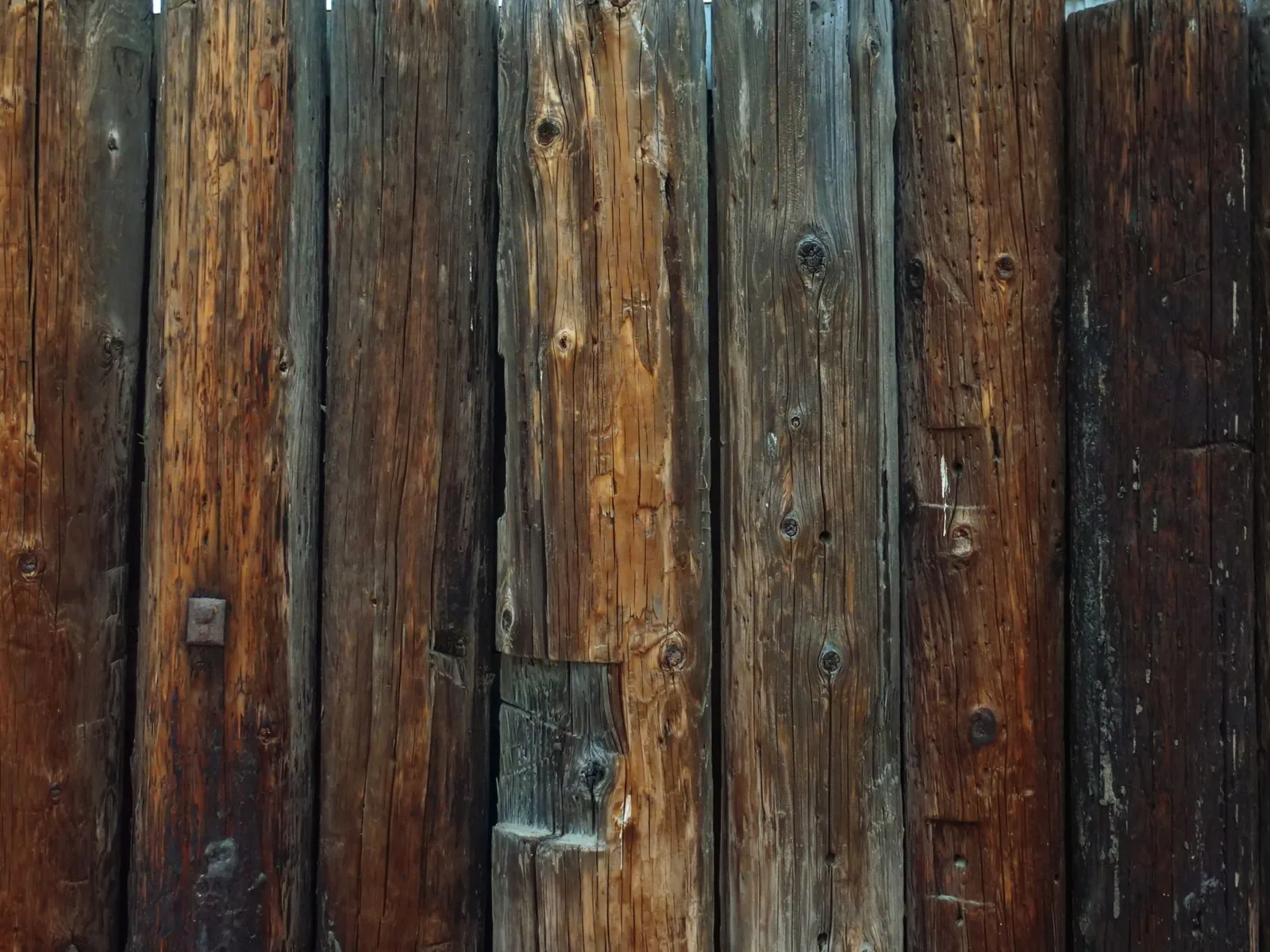
Photo by Kindel Media via Pexels
Durability and Lifespan
This is where the two materials separate the most. A quality vinyl fence lasts 20 to 30 years or more. It will not rot, warp, splinter, or attract termites and carpenter ants, and the color is molded through the material rather than painted on, so it does not peel. The catch is that vinyl can crack in very cold climates when struck hard, and cheaper panels can yellow or become chalky after a decade in direct sun. When a panel does break, you generally replace the entire panel rather than one board.
Wood is more forgiving in the short term and less forgiving in the long term. Pressure-treated pine lasts 10 to 15 years before rot or warping forces replacement, while cedar and redwood can reach 15 to 20 years if kept sealed. Wood’s weak point is ground contact: posts rot where they meet soil, which is why setting posts in concrete and using gravel drainage at the base adds years to the fence’s life. Wood also needs protection from termites, especially in warmer regions where untreated wood becomes a standing invitation.
Maintenance and Upkeep
If you are comparing total effort rather than total cost, vinyl wins by a wide margin. Maintenance is a hose, a bucket of mild soap, and a soft brush once or twice a year. There is no painting, no sealing, and no annual inspection for rot or insect damage.
Wood demands a real routine. Plan to:
- Wash the fence with a cleaner or mild bleach solution each spring to knock off mildew and gray film.
- Reapply a penetrating stain or sealer every 2 to 3 years; skipping this lets moisture in and shortens the fence’s life by years.
- Check posts and the bottom rails each spring for rot, loose nails, and warped boards.
- Tighten or replace fasteners as the wood expands and contracts through the seasons.
Staining runs $300 to $600 in materials if you do it yourself and $1,200 to $2,500 to hire out, and most pros recommend a full day per 100 feet. That cost returns every few years for the life of a wood fence, which is the single biggest argument for vinyl if you would rather spend your weekends doing almost anything else. For a step-by-step on building and finishing one yourself, read our how to build a wooden fence walkthrough.
Photo by Pixabay via Pexels
Appearance and Curb Appeal
Wood is the more flexible canvas. You can stain it natural, paint it to match your home’s trim, or leave cedar to silver gracefully, and no two boards look exactly alike. That warmth is hard to fake, which is why wood still reads as the premium choice in many traditional and Craftsman-style neighborhoods.
Vinyl gives you consistency instead of character. It comes in a narrower palette — white, tan, gray, and a handful of earth tones — and once you pick a color it is permanent, since vinyl cannot be painted reliably. Modern vinyl does a better job imitating wood grain than the shiny white panels of the 1990s, but it will never fool anyone up close. On the plus side, vinyl holds its color for decades and always looks freshly installed from the street, which matters if curb appeal or a future sale is part of your thinking. Buyers increasingly see a maintenance-free vinyl fence as an asset, and it can be a selling point worth mentioning alongside other privacy fence ideas.
Installation: What to Expect
Both fences use the same skeleton: posts set in concrete at 6- to 8-foot intervals, with rails and panels or pickets running between them. Vinyl’s challenge is precision. Panels and post sleeves slide together at fixed lengths, so there is little room to trim on site, and the job goes much faster with two people. Many homeowners hire vinyl installation out, which is part of why labor on vinyl tends to run higher.
Wood is the more forgiving DIY project. Boards and pickets cut easily with a circular saw, mistakes can be corrected with a single replacement board, and most big-box stores stock everything you need. A motivated DIYer can frame and build a basic wood privacy fence over a weekend, while vinyl is usually best left to a crew unless you have experience with panel systems. Whichever route you take, confirm your property line and call your local utility locating service before you dig, and check your HOA rules — some communities restrict fence materials and heights.
Frequently Asked Questions
Is vinyl fence cheaper than wood in the long run?
Usually, yes. Vinyl costs more to install but needs almost no maintenance over 20 to 30 years. A wood fence that is professionally stained every few years can overtake vinyl’s total cost within a decade, so vinyl is often the cheaper fence over its full lifetime.
How long does a vinyl fence last compared to a wood fence?
A quality vinyl fence lasts 20 to 30 years or more, while pressure-treated pine lasts 10 to 15 years and cedar 15 to 20. Vinyl typically outlasts wood by 10 to 15 years with far less upkeep.
Can you paint a vinyl fence?
No. Vinyl color is part of the material itself, and paint will not bond well. If you want to change colors, wood is the better choice since it accepts paint and stain easily.
Which fence adds more resale value?
Both can help, but buyers increasingly favor vinyl’s low maintenance. A clean, intact fence of either material improves curb appeal, while a neglected wood fence can actually hurt a listing. The horizontal fence vs vertical style also influences how modern a yard looks.
Is a wood fence better for DIY installation?
Yes. Wood cuts and fastens easily, so a weekend DIY build is realistic. Vinyl’s fixed panel lengths and tight tolerances make it harder to install without experience, and most vinyl jobs are hired out.
For a side-by-side durability comparison, This Old House explains vinyl vs. wood fencing.
The Bottom Line
Choose vinyl if you want to install a fence once and never think about it again. The higher up-front cost buys a 20- to 30-year lifespan with nothing more than an occasional rinse, and that convenience tends to pay for itself well before the fence wears out.
Choose wood if budget is the priority today, if you want the freedom to paint or stain, or if you genuinely enjoy the seasonal ritual of caring for a fence. Wood costs less now and can look fantastic for 15 years or more — but only if you actually keep up with the sealing and repairs it asks for.
For most homeowners weighing the vinyl fence vs wood fence question, the deciding factor is rarely the sticker price and almost always the maintenance calendar. Be honest about which you will follow, and the right fence picks itself. When you are ready to compare materials against the other options for your yard, start with our privacy screen for backyard ideas or see how vinyl and wood stack up against chain link fence cost.