Backyard Privacy Fence Height: How Tall Should Your Fence Be?
Get the backyard privacy fence height wrong and you’ll pay for it twice: once in lumber or vinyl, and again in a permit you didn’t know you needed or a fence your neighbors can see right over. Height is the single biggest decision in a privacy-fence project, and it’s not a pure style question. It’s a triangle of local code, material limits, and what actually blocks sightlines from your deck, patio, and second-story windows.
The short answer for most US and Canadian backyards is 6 feet. That’s the default privacy height, tall enough to screen a standing adult and short enough to sail through the vast majority of residential zoning rules without a variance. But “most” hides a lot of exceptions — corner lots, front yards, HOAs, and specific materials all move the number.
Here’s how to pick the right height the first time, so you don’t build a fence and then have to cut it down.
What Is the Standard Backyard Privacy Fence Height?
Six feet is the industry standard for a residential privacy fence, and it’s the number you’ll see cited on nearly every fencing contractor’s default quote. At 6 feet, the top rail sits above eye level for most adults, which is what gives a privacy fence its actual screening function. A 5-foot fence, by contrast, still leaves a good portion of the average person’s head and shoulders visible from a neighboring yard.
The practical heights break down like this:
- 4 feet — decorative boundary or light screening. Marks the lot line, keeps small dogs in, but does almost nothing for privacy.
- 6 feet — standard privacy. Blocks sightlines at ground level and makes a backyard genuinely usable for swimming, dining, or sunbathing.
- 8 feet — maximum privacy. Screens second-story windows and adds real sound buffering, but it’s the height most likely to trigger a permit, a variance, or a hard “no” from the city.
The right height depends less on what looks good than on what you’re trying to block. If your patio sits on flat ground next to a neighbor’s single-story ranch, 6 feet is almost always enough. If your yard drops away downhill, or a neighbor’s deck and upstairs windows overlook you, that’s when 8 feet — or a taller section with a privacy screen on top — starts to make sense.
How Tall Can a Fence Be? Local Codes and HOA Rules
Height is regulated at three levels, and they don’t always agree with each other.
Municipal zoning sets the hard ceiling. Most cities cap a backyard fence at 6 feet and a front-yard fence at 3 to 4 feet. Fences in side yards often have their own limit, commonly 6 feet, with a requirement that the fence step down to 3 or 4 feet as it approaches the front setback line. Corner lots get the strictest treatment because a tall fence can block driver sightlines at the intersection — many codes cap corner-lot fences at 3 feet for the last 15 to 25 feet of the yard.
HOA covenants can be tighter than city code. It’s common for an HOA to restrict fences to a specific material, color, and height — often 5 or 6 feet — and to require design-review approval before you build. HOA rules are contractual, not just advisory: violate them and you can be ordered to tear the fence down even if the city would have approved it.
Utility and easement rules matter more than most homeowners expect. If an underground gas, electric, or drainage easement runs along your property line, your fence may have to sit back from it or stay short enough not to interfere. Call 811 before you dig, and pull your plat map so you know exactly where the easements fall.
The takeaway: never build to the fence you want until you’ve confirmed the fence you’re allowed. A quick call to your local building department takes ten minutes and can save you a four-figure rebuild.
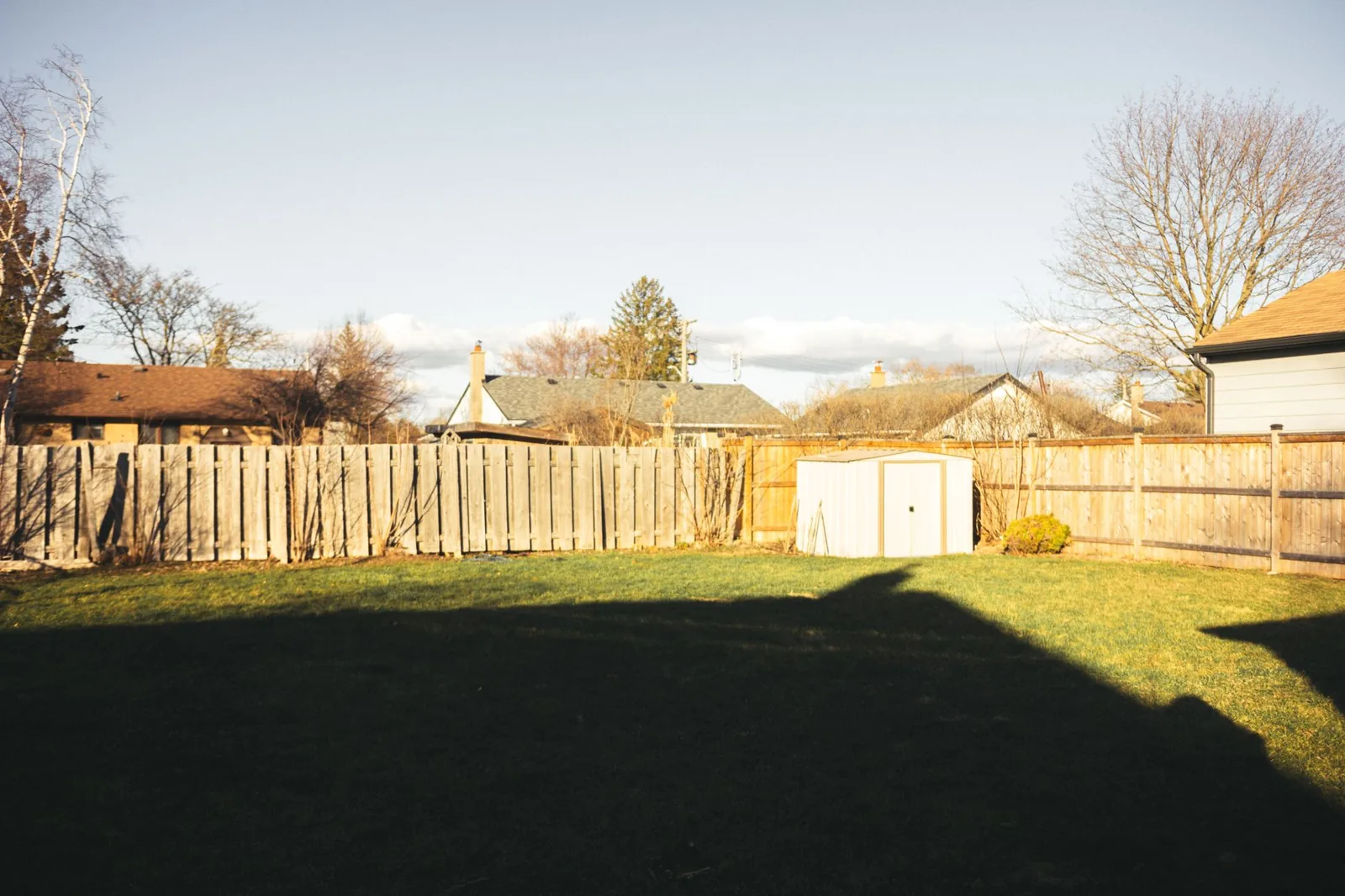
Photo by Shazard R. via Pexels
Fence Height by Material and Purpose
Not every material is available — or sensible — at every height.
Wood
Wood is the workhorse of privacy fencing and holds up well at 6 and 8 feet. Cedar and pressure-treated pine are the two standard options, with cedar running about 15 to 30 percent more but resisting rot and insects without chemical treatment. The catch with tall wood fences is wind load: an 8-foot solid board fence catches a lot of wind, so posts need to be set deeper (a full third of the post length) and anchored in concrete.
Vinyl
Vinyl privacy panels are most common in 6-foot heights, and that’s largely a structural choice. Solid vinyl panels are lighter than wood but less rigid, so a very tall vinyl run needs more frequent posts and, ideally, reinforced aluminum inserts. Budget for a heavier post schedule if you’re pushing vinyl past 6 feet.
Chain link
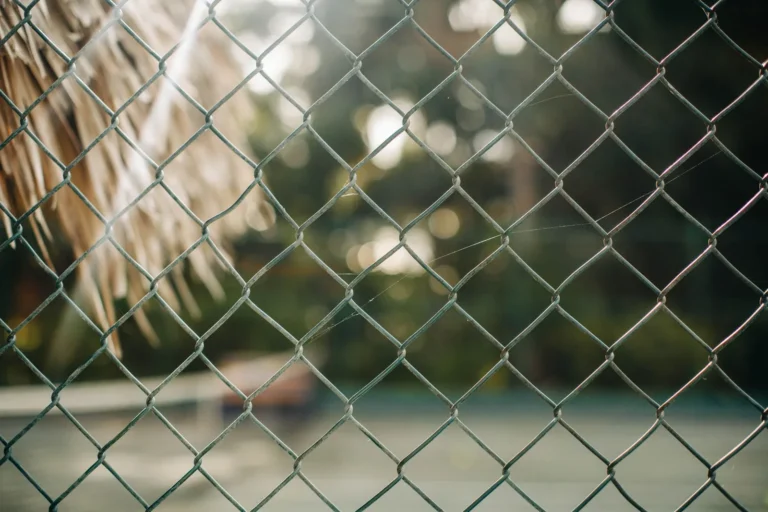
Chain link is not a privacy material unless you add slats or a screen, and it’s usually installed at 4 to 6 feet. It’s the budget option — roughly $12 to $17 per linear foot installed — but it screens nothing on its own.
Aluminum and composite
Aluminum is light and rust-proof, better for a decorative 4- to 6-foot boundary than a true privacy wall. Composite, made from recycled wood and plastic, is the premium pick: it takes 6- and 8-foot heights well, won’t warp or rot, and costs the most — expect to pay at the top of the range, around $40 to $60 per linear foot installed.
Common Fence Heights Compared
The height you pick changes both the price and what you’re allowed to build. Here’s how the three main options stack up.
| Feature | 4-foot fence | 6-foot fence | 8-foot fence |
|---|---|---|---|
| Privacy level | Minimal | Standard — blocks ground-level sightlines | High — screens decks and second stories |
| Typical permit needed | Usually no | Often no, up to code limit | Usually yes, plus possible variance |
| Front-yard friendly | Yes | Sometimes, if set back | Rarely allowed |
| Cost (wood, per linear foot) | $12–$20 | $17–$30 | $30–$50+ |
| Wind exposure | Low | Moderate | High — needs deeper posts |
| Best for | Boundary marking, small dogs | Privacy for patios, pools, yards | Overlooked lots, noise buffering |
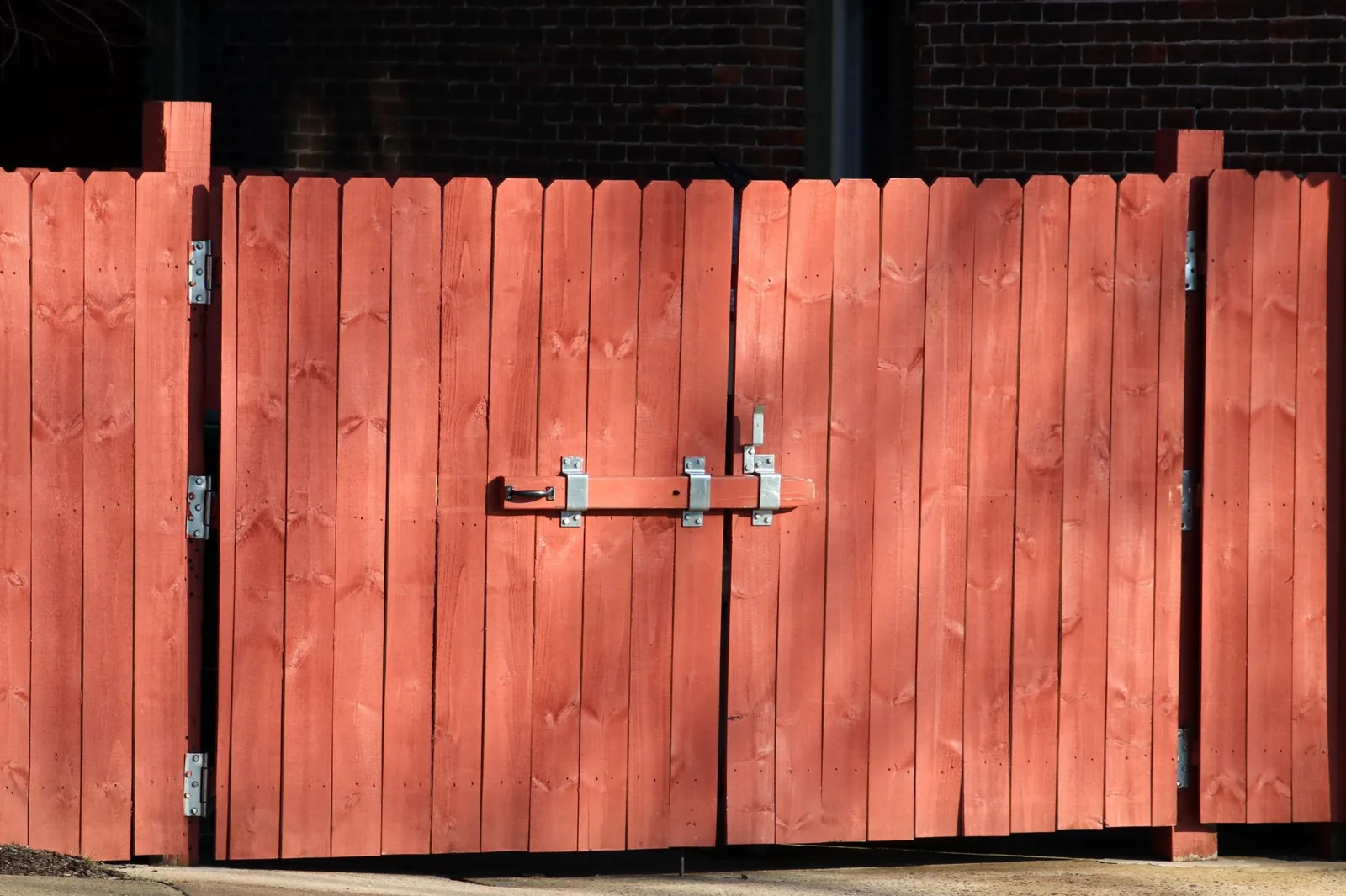
Photo by Gene Samit via Pexels
Do You Need a Permit for a Taller Fence?
In most jurisdictions, a permit kicks in right around the 6-foot mark, and almost always by 8 feet. But height isn’t the only trigger. Some municipalities require a permit for any fence over a given height, while others only require one when the fence exceeds the code maximum and needs a variance.
The permit process itself is usually straightforward: a site plan showing the fence location, height, and materials, plus a fee that ranges from about $25 to $200 depending on the city. A variance — which you need when you want to build above the allowed height — is a heavier lift. It typically requires notifying neighbors, a hearing, and a stated hardship such as a busy road, a steep grade, or a commercial property abutting your yard.
Expect a variance to take weeks to months. If you’re on a timeline, your faster options are a fence at the maximum allowed height plus a separate privacy screen or lattice topper, which many codes treat differently from the fence itself. For more on how to add height without a variance, see our privacy screen for backyard guide.
How to Make a 4- or 6-Foot Fence Feel More Private
If code caps you at 6 feet and you still feel exposed, you have options that don’t require a variance.
Add a lattice or slat topper
A lattice panel or horizontal slats mounted above the top rail can add 1 to 2 feet of visual screening. Check your local rules first — some codes count a topper as part of the fence height, while others don’t.
Raise the grade on your side
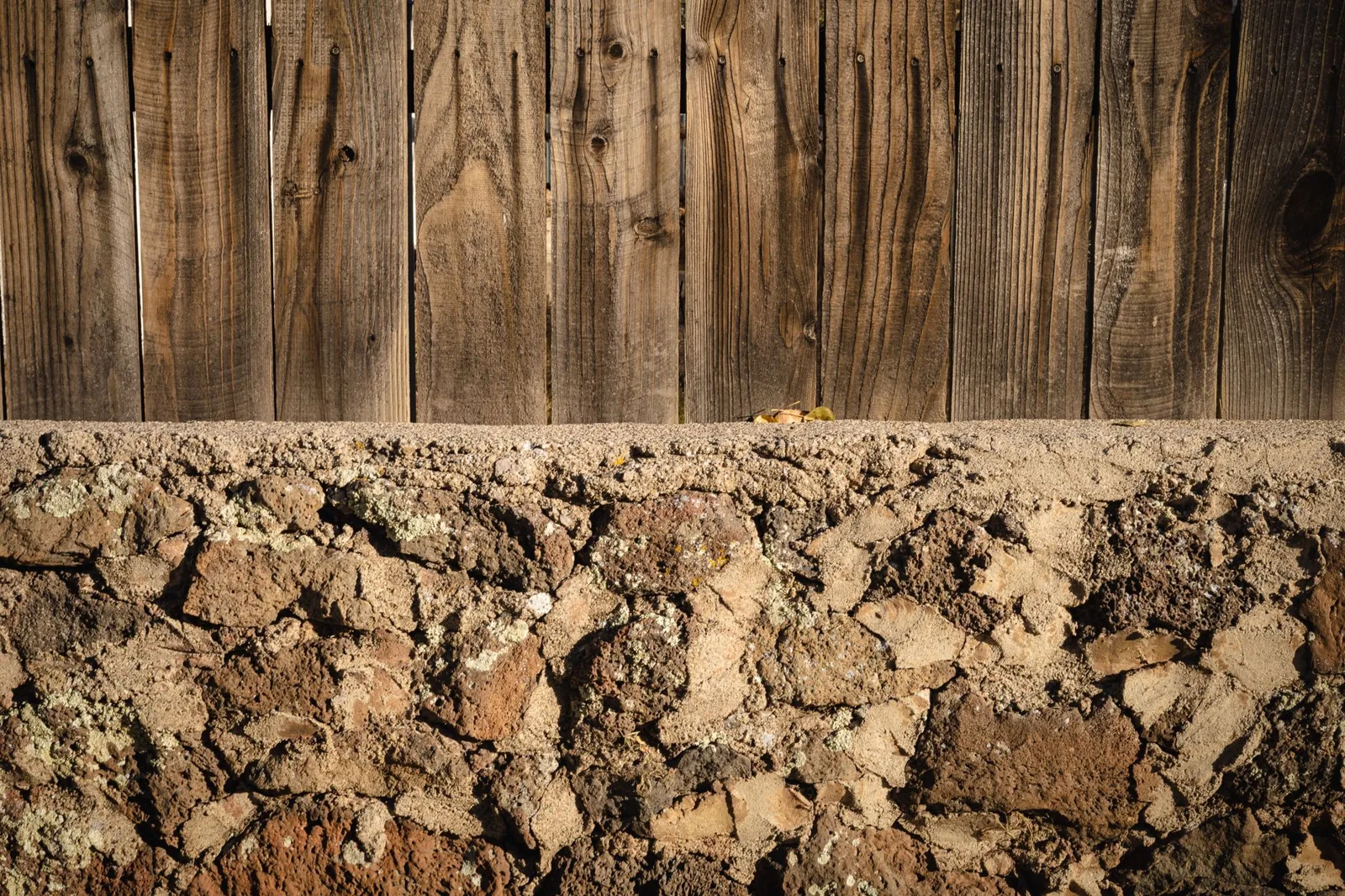
A planter bed, raised garden, or a few feet of retaining wall on your side of the fence effectively lifts your sightline without touching the fence itself. This is a classic workaround on sloped lots, where a 6-foot fence can read as 4 feet to the uphill neighbor.
Plant a living screen
Fast-growing evergreens like arborvitae, clumping bamboo (contained), or skip laurel planted tight to the fence add layered privacy and soften the look. A living screen takes a few seasons to fill in, but it’s the one height solution no code regulates.
Whatever route you take, the fence’s height is only part of the equation. A 6-foot privacy fence with a clean top line, solid construction, and the right material looks — and screens — better than a sagging 8-footer. If you’re weighing materials, our vinyl fence vs wood fence comparison walks through the durability and cost trade-offs, and our fence cost per linear foot breakdown helps you price the whole project.
Frequently Asked Questions
What is the maximum height for a backyard fence?
It depends on your municipality, but the most common residential maximum is 6 feet in the backyard and 3 to 4 feet in the front yard. Anything above the local cap requires a variance. HOAs can set lower limits than the city, so check both before you build.
Can my neighbor build a fence taller than mine?
Yes, as long as their fence complies with the same local codes and HOA rules that apply to everyone. Fence height is not a matter of matching your neighbor — it’s a matter of staying within the legal limits for your area. If their fence violates code, that’s an enforcement issue for the building department, not a private dispute.
Do I need a permit for a 6-foot fence?
Often no, but not always. Many cities don’t require a permit for a fence at or below the standard 6-foot maximum, while others require a permit for any fence over 4 feet or any fence in a front or corner yard. Call your local building department to confirm before you buy materials.
Does fence height affect cost?
Yes, directly. Taller fences use more material and require deeper, more heavily anchored posts, especially in wind. As a rough rule, an 8-foot fence costs roughly 50 to 100 percent more per linear foot than a 6-foot fence in the same material.
How deep should fence posts be for a 6-foot fence?
Plan for posts set about one-third of their total length below grade. For a 6-foot fence, that means 8-foot posts set roughly 2 feet deep, ideally in concrete. For an 8-foot fence, step up to 10- or 12-foot posts set 3 to 4 feet deep. This Old House recommends going below the frost line in cold climates to prevent frost heave.
For local code specifics, This Old House explains fence height rules and permits.
The Bottom Line
For the large majority of backyards, the right backyard privacy fence height is 6 feet: it’s the standard privacy height, it’s within code in most places, and it’s the best value per dollar of actual screening you’ll get. Go taller than that only when you have a real reason — an overlooking second story, a busy road, or a steep grade — and be ready for the permit and post-depth requirements that come with it.
Start with a call to your building department and a check of your HOA rules, because the fence you can legally build is the only one that matters. Then match the material to the height, set your posts deep enough for the wind load, and finish with a clean top line. Get those three things right and your fence will do its job for 20 years or more — which is exactly what a good privacy fence is supposed to do.