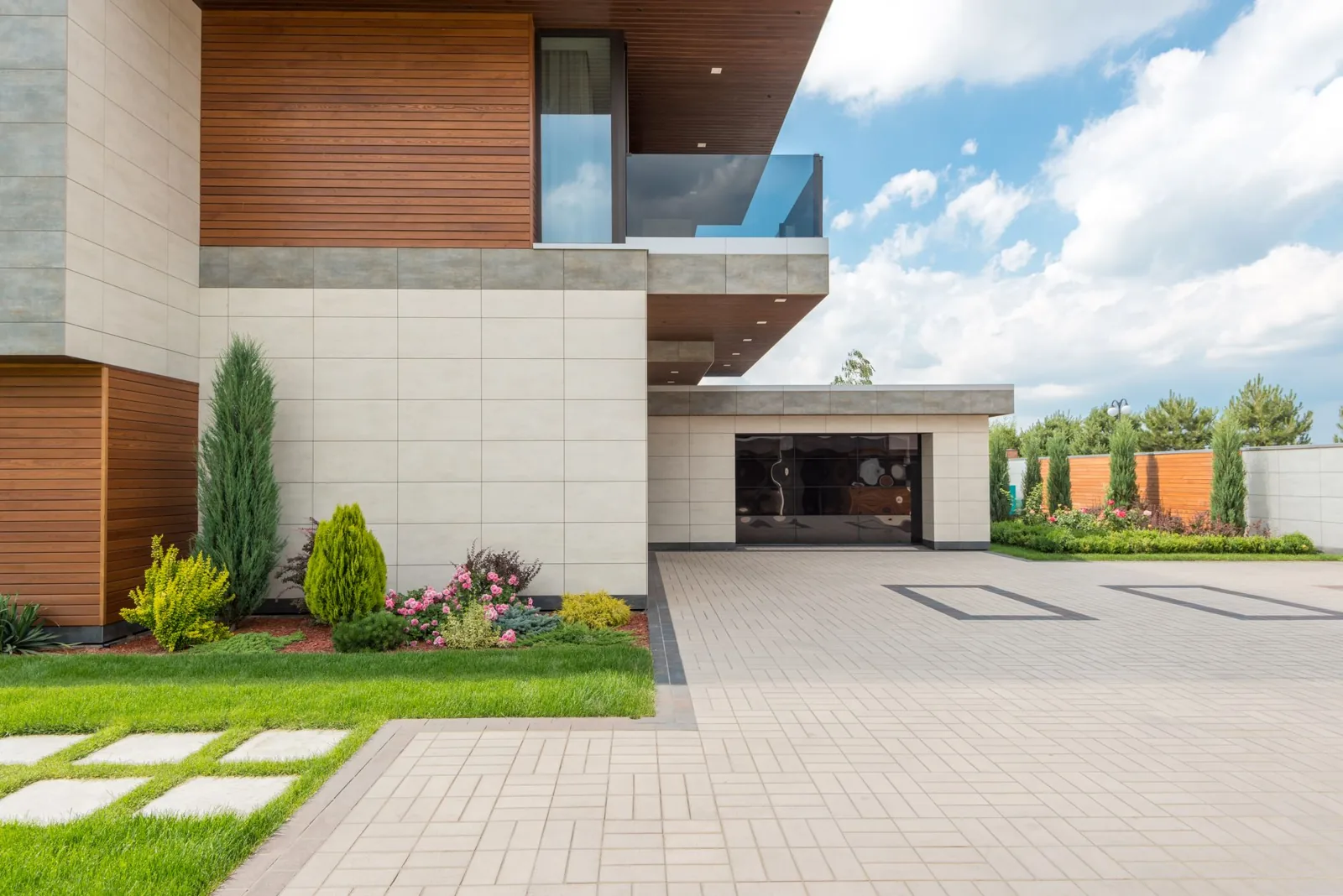
Resin Bound Driveway Cost: What to Budget in 2025
A resin bound driveway gives you the smooth, seamless look of high-end paving with better drainage and fewer weeds than most alternatives. The catch is the price. In the US, resin bound driveway cost typically runs $8 to $15 per square foot installed, which puts a standard two-car driveway somewhere between $5,000 and $10,000 depending on the base, the aggregate, and where you live. The UK market tracks a little differently, landing around £40 to £70 per square meter supplied and laid.
Before you commit, it is worth understanding exactly what that money buys, what makes the number move up or down, and where resin bound sits against cheaper options like asphalt or stamped concrete. This guide breaks it all down with real figures so you can price your project with your eyes open.
What Is a Resin Bound Driveway?
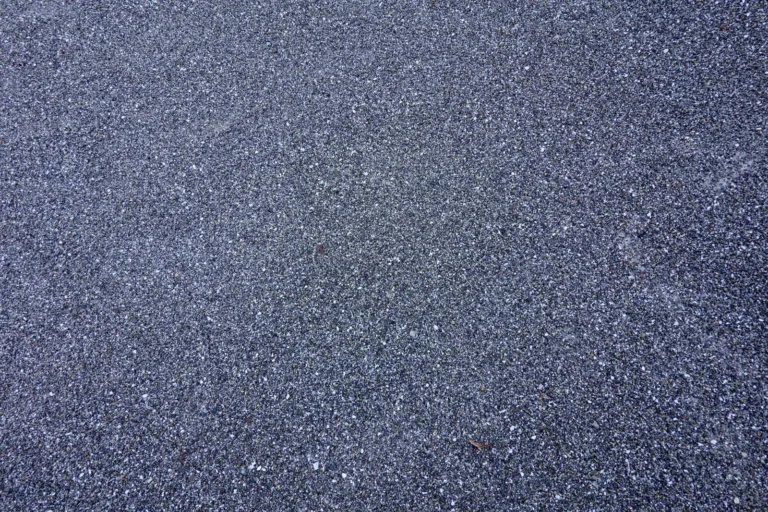
Resin bound surfacing mixes clear polyurethane or polyurea resin with washed, kiln-dried natural aggregate such as granite, flint, or quartz. The installer blends the two on site and trowels the wet mix over a prepared base, typically concrete, asphalt, or a compacted, permeable sub-base.
The key detail is in the name. “Resin bound” means every stone is coated in resin and the stones touch each other, which leaves tiny voids between them. Water drains straight through the surface. That is the main technical difference from resin bonded, a cheaper system where resin is painted on a base and loose stone scattered on top.
For homeowners, resin bound translates to a smooth, joint-free surface that shrugs off weeds, resists cracking from freeze-thaw cycles, and complies with permeable paving rules in many local codes. The trade-off is upfront cost and the fact that it needs a specialist installer to get right.
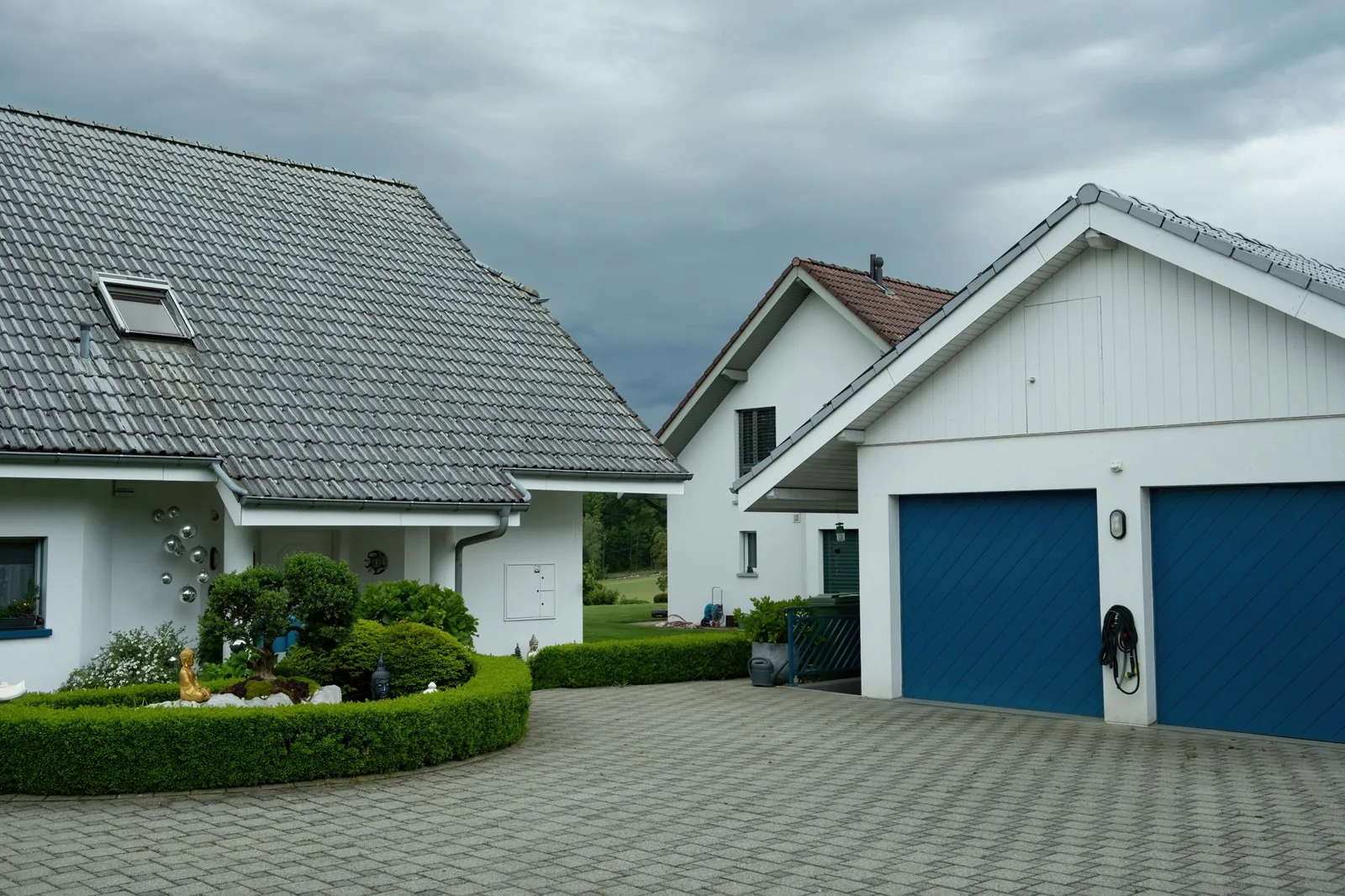
Photo by Thomas P via Pexels
Resin Bound Driveway Cost: What You’ll Actually Pay
Most installers quote by the square foot or square meter, so size is the single biggest lever on your final bill.
| Feature | Resin Bound | Resin Bonded | Stamped Concrete | Asphalt |
|---|---|---|---|---|
| Installed cost (US, per sq ft) | $8–$15 | $5–$9 | $8–$18 | $2–$5 |
| Typical 600 sq ft driveway | $5,000–$9,000 | $3,000–$5,400 | $4,800–$10,800 | $1,200–$3,000 |
| Permeable (drains water) | Yes | No | No | No |
| Weed resistance | High | Low | Medium | Medium |
| Lifespan | 15–25 years | 5–10 years | 15–25 years | 15–20 years |
For a realistic budget, assume the following for a typical residential install:
- Single driveway (300–400 sq ft): $2,400 to $6,000
- Two-car driveway (500–700 sq ft): $4,000 to $10,500
- Large or gated driveway (800+ sq ft): $6,500 and up
- Paths and patios: $1,000 to $3,500 per area
Keep in mind these are mid-range figures. Premium aggregates, a fresh permeable sub-base, and high-cost metro labor can push a two-car driveway well past $12,000.
What Moves the Resin Bound Driveway Cost Up or Down
Size and shape
Bigger is more total money but cheaper per square foot, since setup and mobilization get spread across more area. Curves, steps, and intricate borders add cutting and edging time, which raises the per-foot price.
The base underneath
This is the most overlooked line item. Resin bound is only a top layer, roughly 15 mm to 24 mm thick. If your existing concrete or asphalt base is sound, the installer can lay directly over it and you save thousands. If the base is cracked, sinking, or missing, you pay for excavation and a new compacted base before a single stone is mixed. Plan on $3 to $8 per square foot extra when a new base is needed.
Aggregate and resin choice
Natural granite and flint are the workhorses; special colors, crushed glass, or imported marble cost more. Resin quality matters too. A UV-stable polyurea or aromatic-free polyurethane costs more up front but resists yellowing and fading, which is worth it for a driveway that faces full sun.
Labor and location
Resin bound is a skilled trade with a narrow weather window. It cannot be laid in rain or below roughly 5°C (41°F). Installers in high-cost metro areas charge more, and you may pay a premium to book a qualified crew in peak season. Always confirm the crew is trained by the resin manufacturer, since mixing ratios and trowel timing make or break the finish.
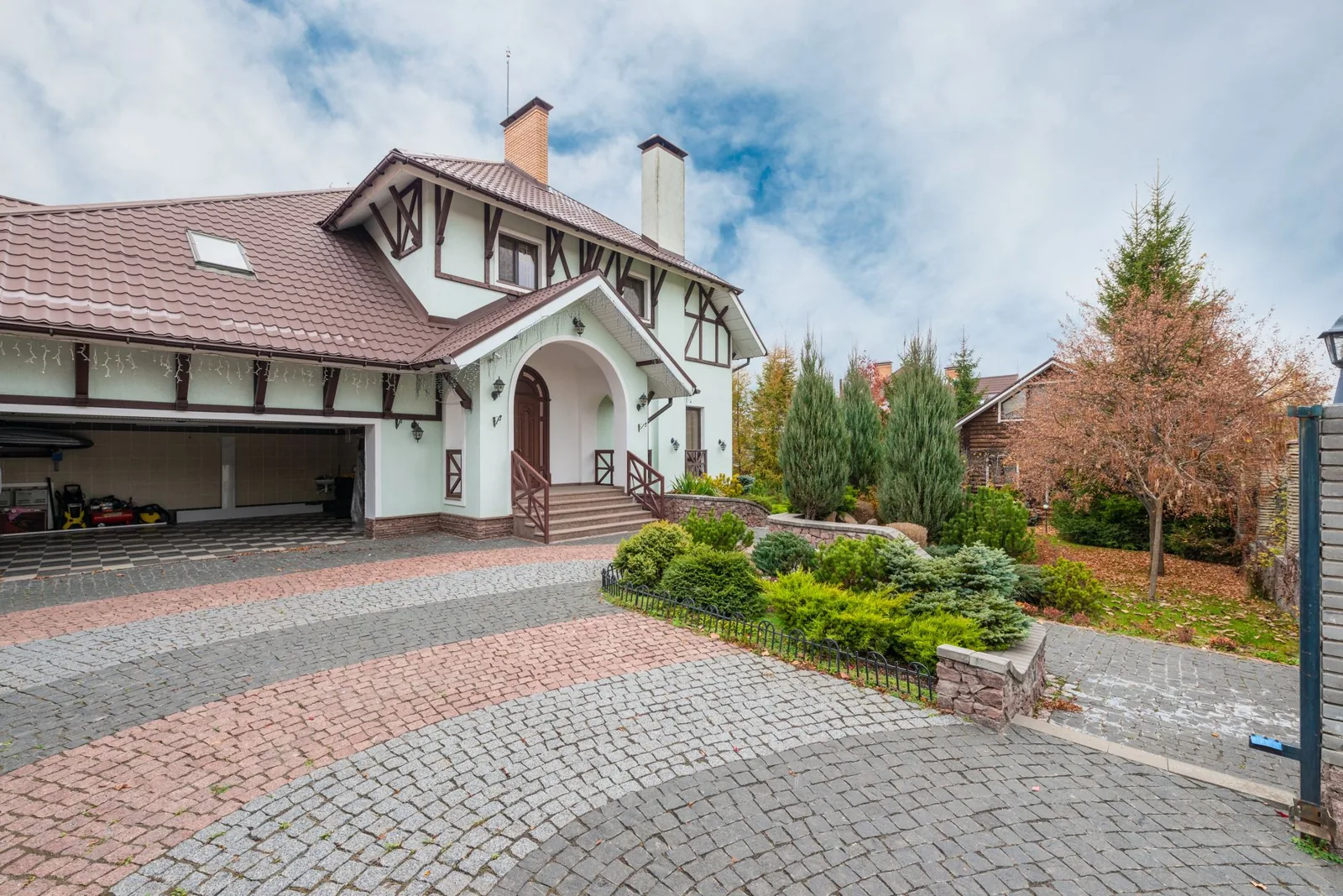
Photo by Max Vakhtbovych via Pexels
Hidden Costs Worth Planning For
The headline square-foot price is not the whole story. Budget for these extras before you sign:
- Site access and waste removal: narrow access, poor drainage, or removing an old driveway adds haul-away and labor fees.
- Edging and drainage channels: metal, timber, or block edging keeps the resin edge crisp and usually runs $5 to $15 per linear foot.
- Permits and inspections: many councils and counties require a permeable-paving or driveway permit, especially for front-yard work or new curb cuts.
- Sealing and maintenance: an occasional re-seal every few years costs a few hundred dollars and preserves the color and surface.
None of these are optional surprises if you ask about them during the quote stage. A written, itemized estimate is the easiest way to catch them early.
DIY vs. Hiring a Professional
It is tempting to treat resin bound as a weekend job, and big-box stores do sell small DIY kits for patios and paths. For a full driveway, though, the smart money is on a professional.
- DIY kits run $4 to $8 per square foot in materials, but they are designed for small areas and the results rarely match a machine-mixed commercial install.
- Mixing errors — the wrong resin-to-stone ratio or a slow trowel — show up as loose stone, patchy color, and early failure.
- Warranty: professional installers back their work, often 10 years or more when trained by the resin supplier. DIY has no such safety net.
If you want to trim cost without risking the whole job, consider handling prep yourself — demolition and disposal, for instance — and leaving the mixing and laying to a certified crew.
How Resin Bound Compares to Other Driveways
Resin bound’s closest competitors are worth a look before you decide. Asphalt is far cheaper but needs periodic sealing and offers none of the permeability or premium look. Stamped concrete can mimic stone for a similar price to resin bound, though it is more prone to cracking and does not drain water. If you want the smooth finish but a lower price, a brick paver driveway handles heavy traffic well, and an asphalt driveway wins on pure upfront savings.
The real argument for resin bound is longevity and low upkeep. A properly installed surface can last 15 to 25 years with little more than occasional cleaning and re-sealing, which narrows the lifetime cost gap against materials that need more frequent repair.
How to Keep Your Resin Driveway Looking New
Maintenance is minimal, which is part of the appeal:
- Sweep or leaf-blow regularly to stop organic matter from staining the surface.
- Pressure-wash on a low setting once or twice a year; avoid a turbo nozzle that can erode the resin between stones.
- Remove oil, fuel, and tire-mark stains quickly with a degreaser, since resin is porous and can absorb spills.
- Re-seal every 3 to 5 years with a manufacturer-approved sealer to lock in color and UV protection.
If you ever spot cracks or loose stone, address them fast. Small surface repairs are cheap; letting moisture in is not. For larger structural cracks in an underlying concrete base, the same principles in our guide on how to repair cracks in a concrete driveway apply before any new resin is laid.
Frequently Asked Questions
How much does a resin bound driveway cost in total?
Most US homeowners pay $5,000 to $10,000 for a standard two-car resin bound driveway, based on an installed rate of $8 to $15 per square foot. In the UK, expect roughly £40 to £70 per square meter.
How long does a resin bound driveway last?
A professionally installed resin bound surface typically lasts 15 to 25 years. The base underneath and the quality of the resin are the two biggest factors, so UV-stable resin over a sound base is the combination that hits the top of that range.
Is resin bound worth the money?
For homeowners who want a permeable, weed-resistant, low-maintenance finish and plan to stay in the home for a decade or more, it is usually worth the premium over asphalt. If you are selling soon or working with a tight budget, a cheaper surface may make more sense.
Can you lay resin bound over an existing concrete driveway?
Yes, if the concrete is structurally sound, clean, and free of cracks, resin bound can be troweled directly over it at roughly 15 mm to 24 mm thick. Damaged or sinking concrete must be repaired or replaced first, which adds cost.
Does resin bound need planning permission?
It depends on your local rules. Many US counties and UK councils now require permeable paving for front driveways over a certain size, and resin bound usually satisfies that requirement. Always check with your local building department or council before starting.
For drainage and permeability details, check the EPA’s guidance on permeable paving and stormwater.
The Bottom Line
Resin bound driveway cost lands in the middle-to-upper tier of paving options, at $8 to $15 per square foot installed, but the price buys a smooth, permeable surface that resists weeds and cracking and can outlast a cheaper asphalt driveway two to one. The variables that matter most are the size of the job, the condition of the base, and the quality of the resin and aggregate you choose.
Get three itemized quotes from manufacturer-trained installers, ask specifically about base prep, edging, and permits, and resist the urge to cut corners on the layer no one sees. For more ways to compare your options, see our breakdowns on asphalt driveway cost per square foot and brick paver driveway cost before you make the call.