Pavers vs Stamped Concrete: Which Driveway or Patio Surface Is Right for You?
If you are replacing a driveway, patio, or walkway, the pavers vs stamped concrete decision is usually the first fork in the road. Both give you a hard, durable surface that looks a lot better than plain poured concrete, and both hold up to weather in US, UK, Canadian, and Australian climates. But they are built completely differently, they cost differently, and they age differently.
The short version: stamped concrete is usually cheaper up front and faster to install, while pavers last longer, repair more easily, and tend to add more resale value. The right answer depends on your budget, your soil, your climate, and how long you plan to stay in the house. Here is the full breakdown.
Pavers vs Stamped Concrete: A Quick Comparison
Before we get into the details, here is the side-by-side summary most homeowners actually need.
- Up-front cost: Stamped concrete runs about $8 to $20 per square foot installed; pavers run $10 to $30 per square foot installed.
- Lifespan: Pavers typically last 30 to 50 years; stamped concrete lasts 20 to 30 years with regular resealing.
- Repairs: Individual pavers can be lifted and replaced in minutes; cracks in stamped concrete are hard to patch without a visible seam.
- Freeze-thaw performance: Pavers flex with ground movement; stamped concrete cracks when the slab shifts or heaves.
- Appearance options: Both offer color and texture, but pavers come in more patterns and can be re-laid later.
- DIY potential: Pavers are genuinely DIY-friendly for small jobs; stamped concrete requires a crew and tight timing.
What Each Material Actually Is
Stamped concrete is a single slab of standard concrete that gets color and texture pressed into the surface while it is still wet. A contractor pours the slab, applies a color hardener or integral pigment, then presses large polyurethane stamps into the top to mimic stone, brick, slate, or even wood planks. Once it cures, it is sealed. The result is a continuous surface with no joints except the control cuts.
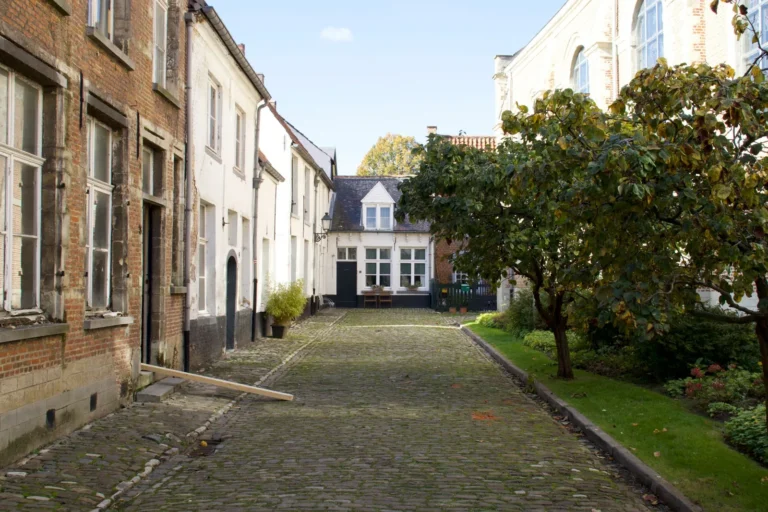
Pavers are individual units — usually concrete, clay brick, or natural stone — laid over a compacted base of gravel and sand. They are installed one piece at a time in a pattern (running bond, herringbone, basketweave), and the joints between them are filled with polymeric sand. Because there is no single slab, the whole surface can shift slightly without cracking.
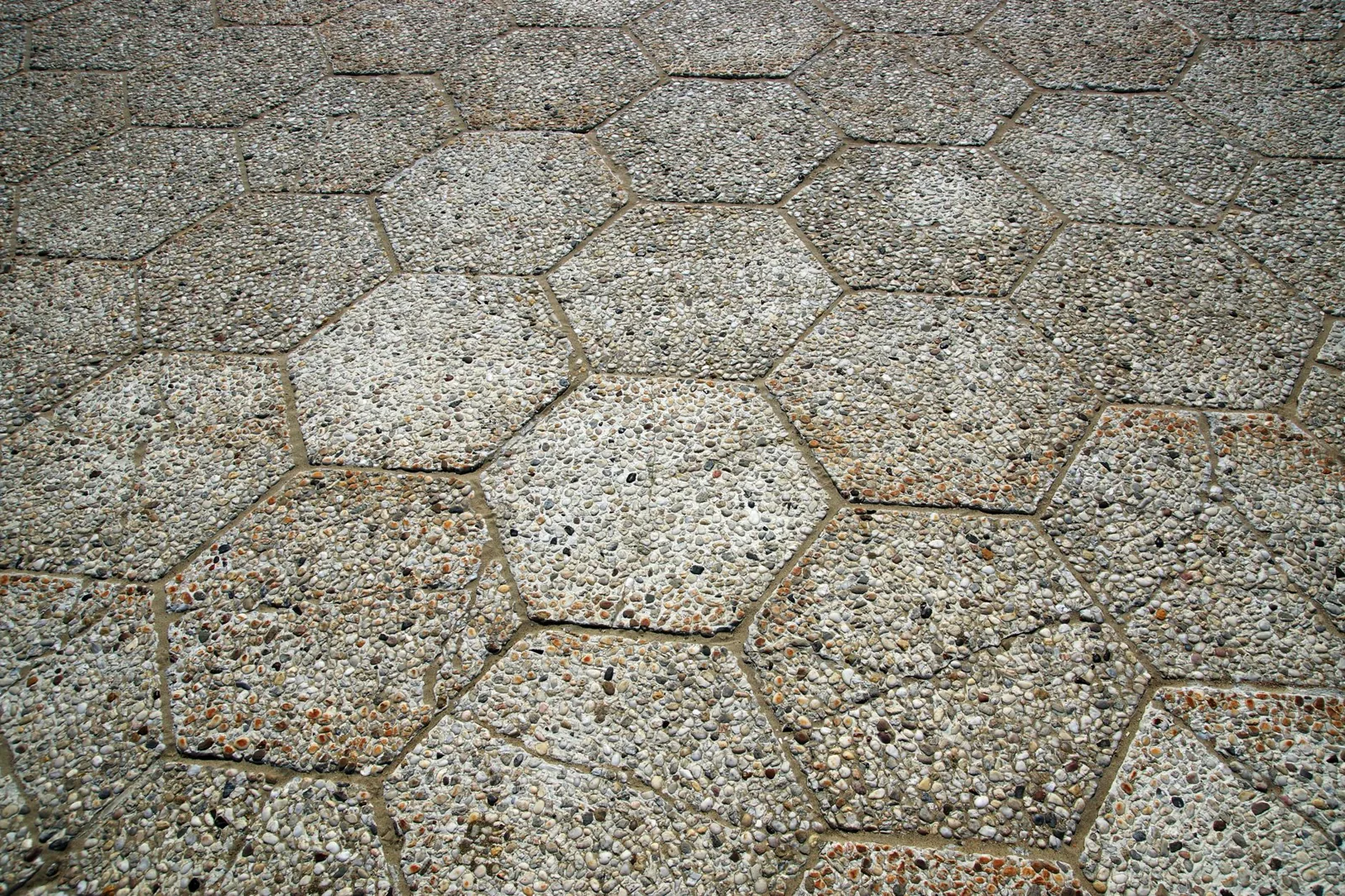
Photo by Tom Van Dyck via Pexels
The practical difference matters more than the look. Stamped concrete is one big piece; pavers are hundreds of small pieces that work together. That single fact drives almost everything else about cost, durability, and repair.
Cost: Pavers vs Stamped Concrete
Stamped concrete is the cheaper option in most markets. Expect to pay $8 to $15 per square foot for a basic single-color stamp and $12 to $20 per square foot for multi-color work with borders and a premium pattern. For a 500-square-foot patio, that is roughly $4,000 to $10,000.
Pavers start higher. Concrete pavers run $10 to $18 per square foot installed, clay brick pavers $15 to $25, and natural stone like travertine or bluestone $20 to $40 and up. A 500-square-foot paver patio typically lands between $5,000 and $15,000. For a driveway, where a thicker base and heavier-duty pavers are required, add $3 to $7 per square foot to either option.
Here is the cost comparison in table form:
| Feature | Stamped Concrete | Pavers |
|---|---|---|
| Material cost (sq ft) | $3–$8 | $4–$20 |
| Installed cost (sq ft) | $8–$20 | $10–$40 |
| 500 sq ft patio total | $4,000–$10,000 | $5,000–$20,000 |
| DIY-friendly? | No (timing-critical) | Yes, for smaller jobs |
| Reseal schedule | Every 2–3 years | Joint sand every 3–5 years |
The gap narrows on larger jobs. Stamped concrete has more equipment and crew costs, while paver pricing scales more linearly. If you are set on a stamped look, check the stamped concrete patio cost guide for regional figures.
Durability, Maintenance, and Repairs
Stamped concrete is strong — properly mixed and cured slabs hold up to normal driveway traffic without issue. The weak point is cracking. Concrete expands and contracts with temperature, and any ground movement, tree root, or freeze-thaw cycle can create a hairline crack that grows into a real one. When that happens on a stamped surface, the repair is rarely invisible, because the pattern and color are hard to match. For a plain slab, the fix is well-documented in our guide on how to repair cracks in a concrete driveway; on a stamped one, the cosmetic damage is harder to hide.
Pavers handle movement much better. The sand-filled joints let individual units shift, so frost heave and minor settling rarely crack anything. If a paver does chip or stain, you pry it out and drop in a replacement — a 15-minute fix that costs a few dollars per unit.
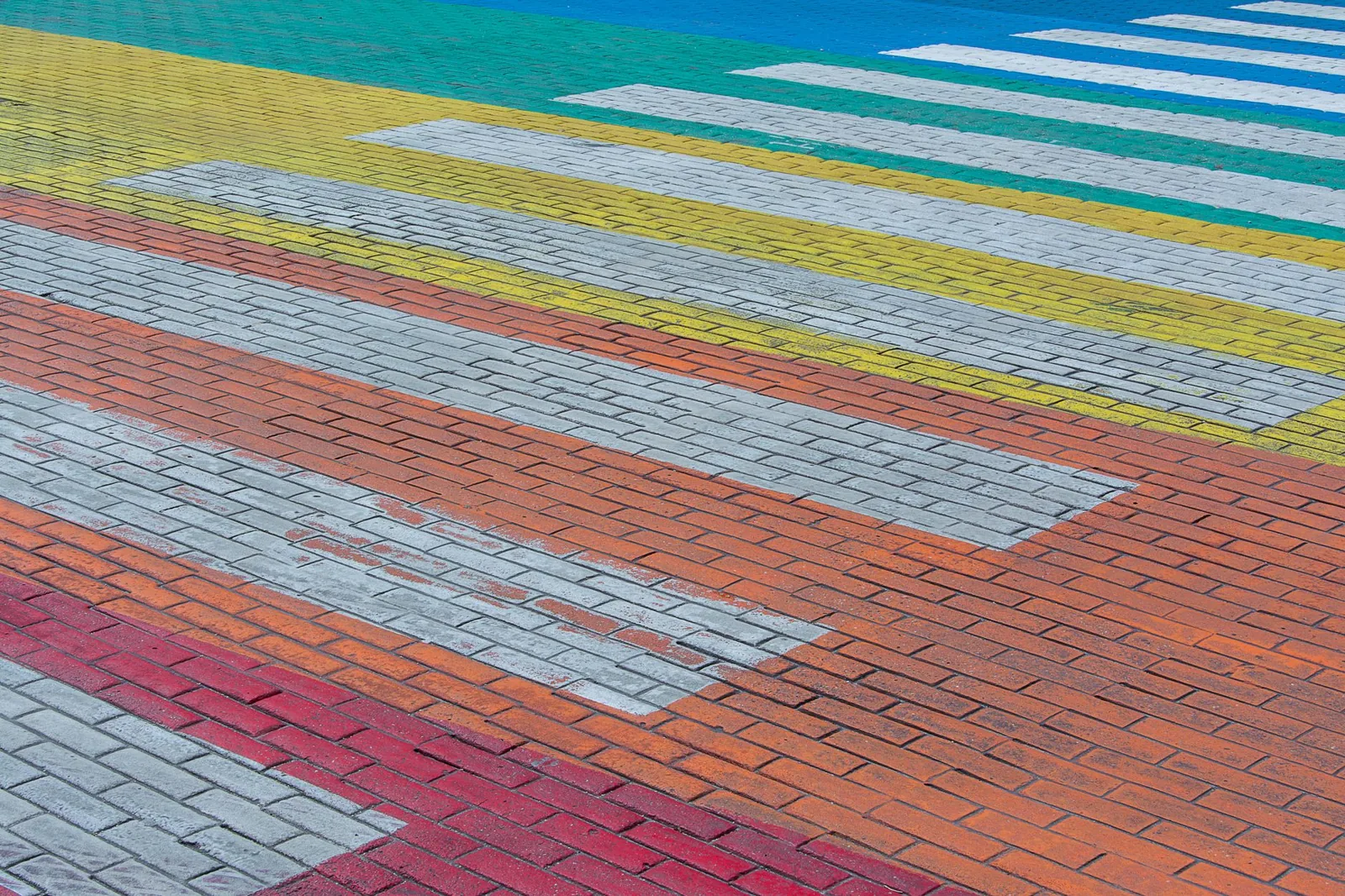
Photo by Jan van der Wolf via Pexels
Maintenance is where the two converge. Both need a sealer: stamped concrete every 2 to 3 years, pavers every 3 to 5 years (plus a refresh of the polymeric joint sand). Both need periodic cleaning with a pressure washer and mild detergent. Neither is zero-maintenance, but paver upkeep is more forgiving because a mistake rarely ruins the whole surface.
Curb Appeal and Resale Value
For looks, stamped concrete gives you the appearance of stone or brick at a lower price, and it photographs well in listing photos. But up close, the seams and control joints are visible, and the pattern repeats in a way that can look stamped rather than real.
Pavers read as higher-end, especially clay brick and natural stone. Realtors consistently list paver driveways and patios as a selling feature, and appraisers tend to credit them because they signal longevity and low repair risk. If resale is a priority and the budget allows, pavers usually return more of their cost. If you want the look of brick for less, see our brick paver driveway cost breakdown.
According to This Old House, a properly installed paver patio can last 25 to 50 years, which is one reason buyers respond to it. Bob Vila makes the same point on stamped concrete: it is a great value, but its lifespan depends heavily on a good base and consistent resealing.
Which One Is Right for You?
Choose stamped concrete if:
- Your budget is tight and you want the stone look for less.
- You have a large area and want a fast install.
- Your soil is stable and the climate is mild.
- You are comfortable resealing every couple of years.
Choose pavers if:
- You live where the ground freezes or moves.
- You want a surface that is easy to repair.
- You plan to stay long-term or sell soon.
- You want the highest-end look and are willing to pay for it.
There is no single correct answer, but there is a clear tiebreaker: if your site is prone to movement or you hate the idea of an unrepairable crack, pavers win. If cost and speed lead your decision, stamped concrete is the stronger value.
Frequently Asked Questions
Which is cheaper, pavers or stamped concrete?
Stamped concrete is cheaper, at roughly $8 to $20 per square foot installed versus $10 to $40 for pavers. On a typical patio, stamped concrete can save you 20 to 40 percent up front.
How long does each last?
Stamped concrete lasts 20 to 30 years when resealed on schedule. Pavers last 30 to 50 years, and individual units can be replaced along the way, which extends the practical life of the surface.
Can stamped concrete be repaired if it cracks?
Yes, but not invisibly. The color and pattern are difficult to match, so a patch on a stamped slab usually leaves a visible seam. Pavers, by contrast, can be swapped one-for-one with no visible trace.
Is stamped concrete slippery when wet?
Stamped concrete can be slippery, especially with a smooth stone pattern and a glossy sealer. Most contractors add a non-slip additive to the sealer for driveways and pool decks, which reduces the risk significantly.
Can I install pavers myself?
Yes. Small patios and walkways are realistic DIY projects if you can handle the base prep and screeding. Stamped concrete is not a DIY job — the stamping has to happen within a narrow window after the pour, so it requires a full crew.
The Bottom Line
The pavers vs stamped concrete decision comes down to what you value more: lower up-front cost or long-term durability and easy repairs. Stamped concrete delivers the premium look at a discount and installs fast, which makes it a smart pick for large areas on a budget. Pavers cost more now but shrug off ground movement, repair cleanly, and tend to boost resale value.
Whichever you choose, do not skip the two things that decide how long the surface lasts: a properly compacted base and a consistent sealing schedule. Get quotes from two or three local installers for the same square footage, compare the base-prep details line by line, and pick the surface you will still be happy with a decade from now.
Ready to compare your options in more detail? Start with our stamped concrete patio cost guide or the brick paver driveway cost breakdown to see real numbers for your project.