Living Fence Ideas for Privacy: 8 Green Screens Worth Planting
A living fence is the rare home upgrade that gets better every year. Instead of boards that fade, warp, and need repainting, a wall of shrubs, bamboo, or vines quietly builds a private, wind-buffering boundary that birds and pollinators actually like. The best living fence ideas for privacy come down to matching a plant’s growth speed, mature height, and upkeep to your lot — and to your patience.
Some options shield you in a single season; others take five years to close up but reward you for decades. This guide walks through the most reliable evergreen hedges, fast-growing vines, and tall grasses, compares them by cost and speed, and tells you exactly what to budget and what to avoid planting.
Why Plant a Living Privacy Fence
A planted screen does three jobs a board fence can’t. It absorbs sound rather than reflecting it, so traffic and neighbor noise drop noticeably once a hedge fills in. It slows wind, which makes a patio usable on days a solid fence would whistle and shake. And it raises property appeal — a mature, well-kept hedge reads as landscaping, not as a barrier, and landscapers at This Old House regularly point to mature plantings as one of the cheapest ways to add real resale value.
There are trade-offs, too. A living fence needs water during its first two summers, an annual trim, and a realistic timeline. Most evergreen hedges take two to four years to reach head height and six to ten to hit their full size. If you want privacy eventually and can wait a season or two for a screen to mature, plant a living fence. If you need a six-foot barrier tomorrow, install a standard privacy fence first and plant in front of it.
Best Evergreen Hedges for Year-Round Privacy
Evergreens are the workhorses here because they hold their leaves through winter, when you want coverage most.
Thuja ‘Green Giant’ arborvitae. The most popular privacy hedge in the US for good reason. Green Giant grows 3 to 5 feet per year, reaches 40 to 60 feet tall and 12 to 18 feet wide, and shrugs off deer, drought, and clay soil. Space them 5 to 6 feet apart. Expect to pay $15 to $30 for a 1- to 2-foot start and $80 to $150 for a 5- to 6-foot plant.
Emerald Green arborvitae. The narrow cousin of Green Giant, topping out around 15 feet tall and 3 to 4 feet wide. It grows slower — about 6 to 9 inches a year — so it suits tight side yards where you want a clean column without constant pruning. Budget $25 to $50 per plant.
Skip laurel (Prunus laurocerasus). Glossy, broadleaf evergreen that thrives in shade, a rarity among screens. It reaches 10 to 18 feet and handles hard pruning well. Skip laurel grows about 2 feet per year and costs $30 to $60 for a 2- to 3-gallon pot.
Nellie Stevens holly. A dense, fast holly (about 2 to 3 feet per year) with bright red winter berries. It grows 15 to 25 feet tall and doubles as a barrier because the leaves are spiky. Plants run $40 to $80 each.
What to skip: Leyland cypress grows absurdly fast (3 to 4 feet per year) but is prone to canker and bagworm die-off when planted tightly, and privet is cheap but invasive across much of the Southeast and Midwest. Neither is worth the long-term headache.
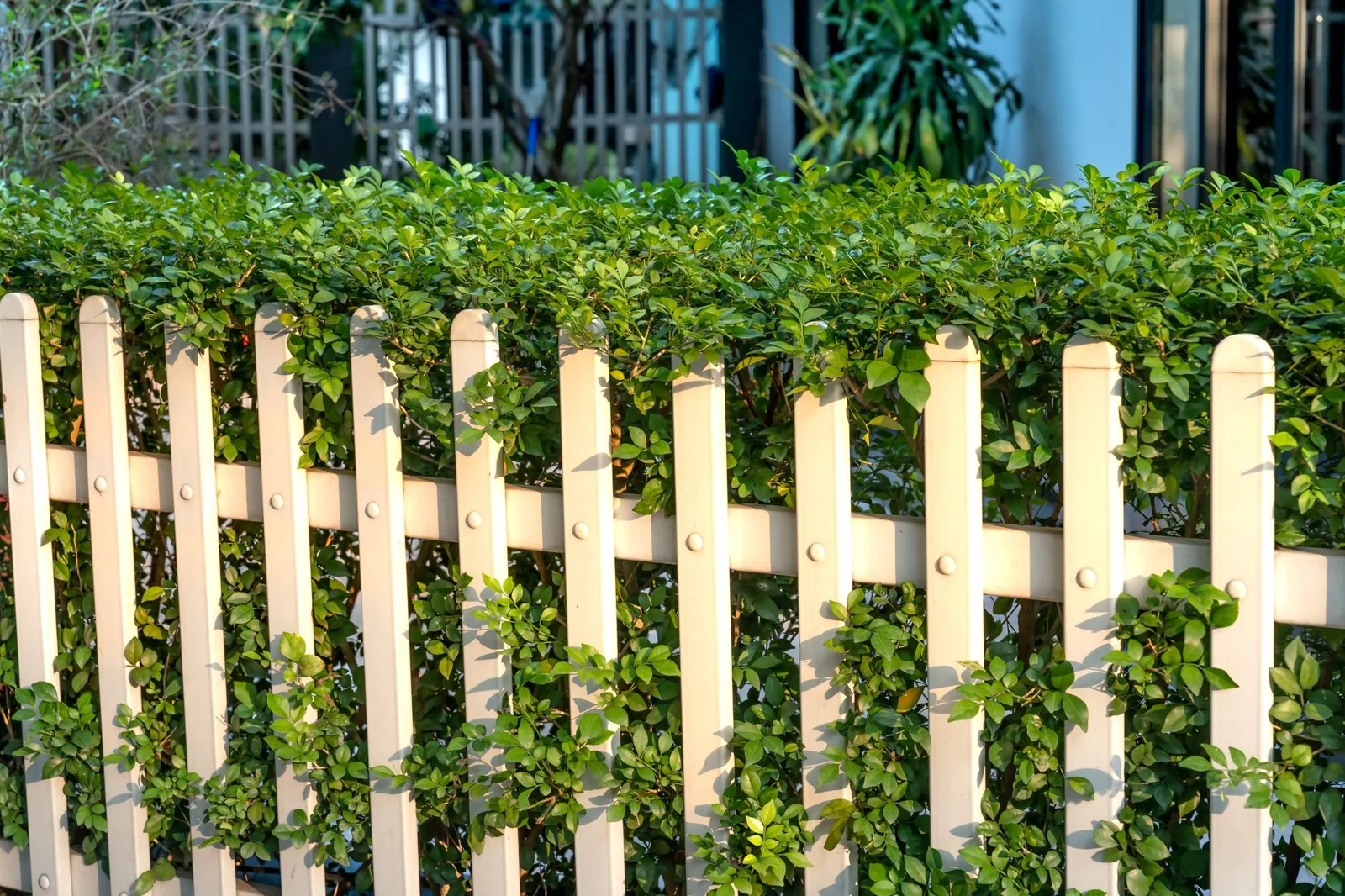
Photo by Quang Nguyen Vinh via Pexels
Fast-Growing Vines and Grasses for Quick Cover
If you can’t wait for a hedge, vines on a trellis and tall grasses deliver coverage in a single growing season.
Clumping bamboo. Clumping varieties like Fargesia stay put, unlike running bamboo, which spreads through rhizomes and can take over a yard. A clump reaches 10 to 15 feet in two to three years and costs $60 to $150 per plant depending on size. It’s the fastest tall screen you can plant without building a structure.
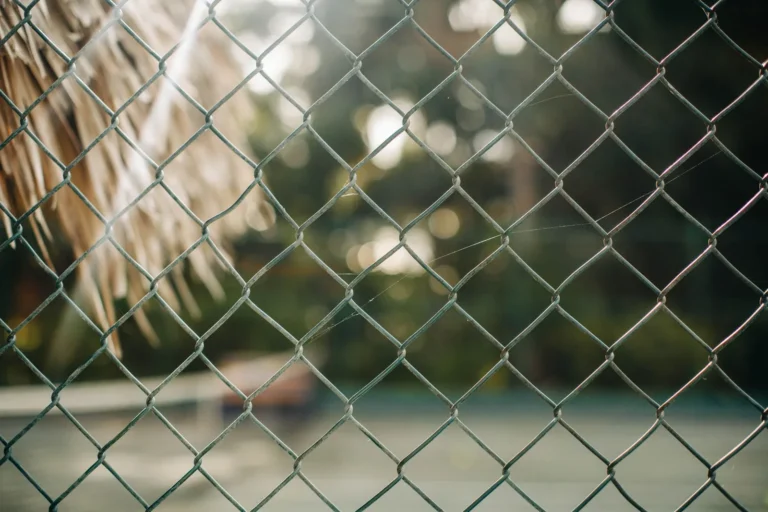
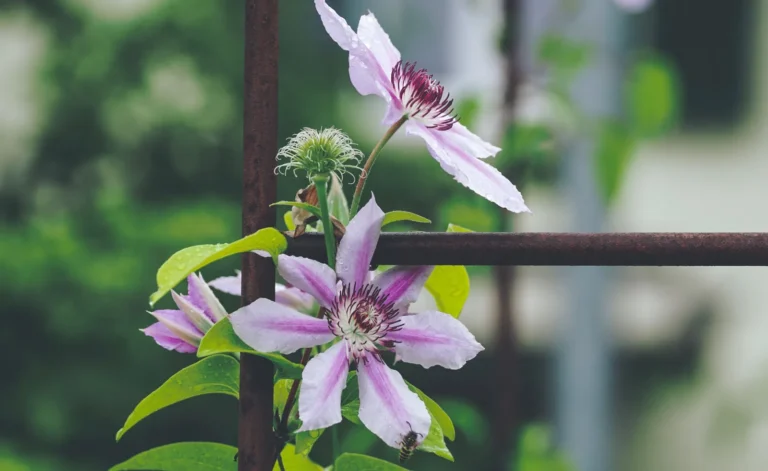
Star jasmine. An evergreen vine that climbs a trellis or chain-link fence and smells like spring for weeks. It grows fast — up to 2 feet per year once established — and stays green year-round in zones 8 to 10. A 1-gallon plant costs $15 to $25.
Climbing hydrangea. A slow starter that eventually blankets a fence or wall in white summer blooms. Give it a sturdy structure and three years of patience.
Tall ornamental grasses. Miscanthus and switchgrass hit 4 to 8 feet in a single season and cost $10 to $20 per plug. They die back in winter, so they’re a seasonal screen — but they’re unbeatable for filling a gap fast on a budget.
The honest rule for vines: they need a frame. A bare trellis is see-through, so if you want true privacy, pair the vine with a solid lattice panel or a standard privacy fence.
Living Fence Ideas for Privacy, Compared
| Feature | Evergreen hedge | Clumping bamboo | Vine on trellis | Ornamental grass |
|---|---|---|---|---|
| Years to privacy | 2–4 | 2–3 | 2–4 | 1 |
| Mature height | 15–60 ft | 10–15 ft | 8–30 ft | 4–8 ft |
| Cost per plant | $15–$80 | $60–$150 | $15–$40 | $10–$20 |
| Winter coverage | Full | Full | Depends on variety | None |
| Annual maintenance | Trim 1–2× | Thin clumps | Prune + train | Cut back in spring |
| Best for | Permanent screen | Fast tall cover | Narrow gaps | Budget, quick fill |
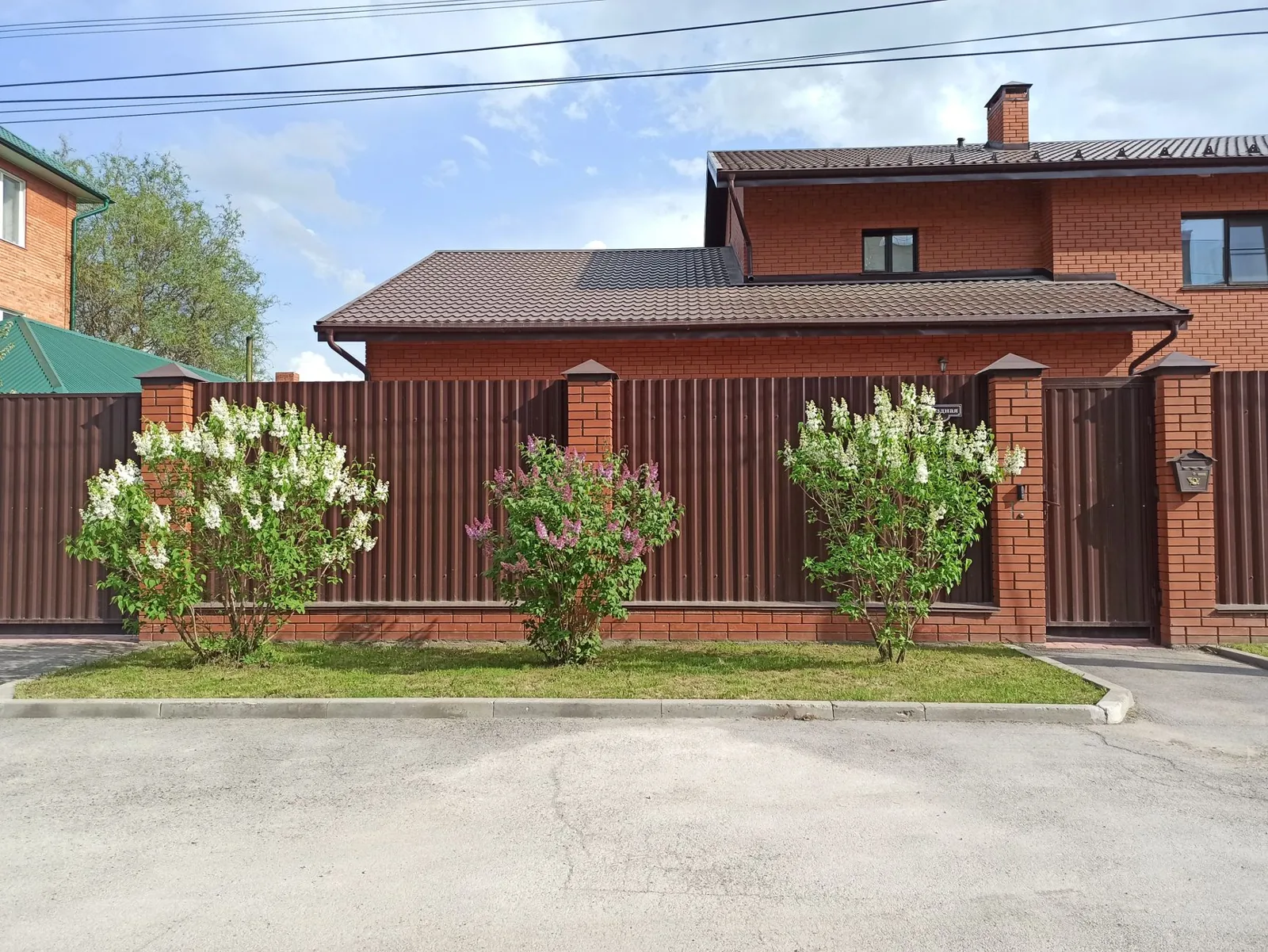
Photo by Natalie Dmay via Pexels
How Much Does a Living Privacy Fence Cost?
Plants are cheaper than lumber per linear foot, but the savings show up over time rather than up front.
- DIY evergreen hedge: $15 to $50 per linear foot for Green Giant or Emerald arborvitae planted 3 to 6 feet apart, including soil amendments and mulch.
- Installed hedge: $45 to $75 per linear foot when a landscaper supplies and plants 5- to 6-foot trees.
- Vine on a trellis: $8 to $20 per linear foot, plus $25 to $60 per 8-foot cedar or vinyl trellis panel.
- Clumping bamboo: $100 to $250 per 3-foot clump installed.
For comparison, a wood privacy fence runs about $20 to $50 per linear foot installed and a vinyl fence $30 to $60, both detailed in our fence cost per linear foot guide. A hedge’s big hidden cost is time: you’re paying for the plant’s growing years. But once established, a hedge needs only water during droughts and an annual trim, where a wood fence needs restaining every few years.
Planting and Care Tips for a Dense Screen
The difference between a thin row of plants and a real privacy wall is almost always spacing and the first two years of care.
- Space for the mature width, not the pot size. Crowding Green Giants 3 feet apart looks full fast but starves them of air and light, which leads to dead patches. Check the tag and resist the urge to overplant.
- Stagger a double row. For instant density, plant two offset rows with plants in a zigzag. It closes gaps faster than a single row at the same plant count per foot.
- Water deeply, not daily. New plants want about an inch of water a week delivered slowly. Soaker hoses beat sprinklers for hedges.
- Mulch 2 to 3 inches at the base, keeping it off the trunk to prevent rot.
- Trim lightly and often. A light shearing once or twice a year keeps hedges dense at the base; letting them grow tall and then cutting back hard leaves bare, leggy bottoms.
- Check local rules. Some municipalities cap hedge height or require a setback from the property line. Confirm before you plant a row you’ll later have to rip out. The Better Homes & Gardens guide to planting hedges covers soil prep and watering depth in more detail if you’re starting from bare ground.
Frequently Asked Questions
What is the fastest growing living fence for privacy?
Green Giant arborvitae and clumping bamboo are the two speed leaders. Green Giant adds 3 to 5 feet per year and reaches 40-plus feet, while clumping bamboo forms a 10- to 15-foot screen in two to three years. For a seasonal screen, tall miscanthus grasses reach 4 to 8 feet in one summer.
What is the cheapest way to make a living privacy fence?
Tall ornamental grasses ($10 to $20 per plug) and bare-root arborvitae plantings ($15 to $30 each) are the lowest-cost paths. Grasses fill a gap in one season but die back in winter; arborvitae cost more per foot up front but become a permanent, year-round screen.
Do living fences block noise?
Partially. A dense, layered hedge of broadleaf evergreens absorbs and scatters sound better than a solid wood fence, which reflects it. For meaningful reduction, plant a double staggered row at least 6 feet deep, and pair it with a fence if road noise is the main problem.
How long does a living fence take to grow?
Most evergreen hedges reach head height (about 6 feet) in two to four years and full size in six to ten. Vines on a trellis cover a panel in two to four years, and clumping bamboo screens in two to three. Fast growers like Green Giant can hit 6 feet in about two seasons.
Can I plant a living fence next to a boundary line?
Usually, but check local codes and any HOA rules first. Many areas require hedges to stay a set distance from the property line and cap their height. If you’re near a shared boundary, confirm the setback before planting so the screen doesn’t become a dispute.
The Bottom Line
The right living fence idea for privacy is the one that matches your timeline and climate. Need a permanent, low-maintenance wall? Plant Green Giant arborvitae or Skip laurel. Need cover fast on a budget? Clumping bamboo or tall grasses. Need a narrow, elegant screen? Emerald Green arborvitae or a vine on a sturdy trellis.
Whatever you choose, the fundamentals don’t change: buy healthy stock, space for the mature size, and water deeply for the first two summers. Do that, and in a few seasons you’ll have a green wall that costs less to keep than any board fence — and looks better doing it. Ready to compare your options against traditional fencing? Start with our how to build a wooden fence guide or our roundup of privacy fence ideas.