
Fence Post Depth and Spacing: How Deep and How Far Apart to Set Posts
Get fence post depth and spacing right and almost everything else about building a fence falls into place. Get either number wrong, and you’ll be back outside in a year or two straightening a leaning section, replacing a rotted post, or resetting panels after a hard winter. The two measurements are simple to understand, but they change based on where you live, how tall your fence is, and what it’s made of.
This guide gives you the real numbers — no guesswork. We’ll cover how deep to dig for a 4-foot, 6-foot, and 8-foot fence, how far apart to space posts, how much concrete each hole needs, and the mistakes that cause posts to fail early.
Why Fence Post Depth and Spacing Matter
A fence is only as strong as its posts. The rails and pickets just hang between them. If a post heaves out of the ground in a cold climate, or wobbles because it’s spaced too far apart, the whole section sags and eventually leans. Replacing a post means digging out concrete, so it’s worth getting it right the first time.
Two forces work against every post. Wind pushes on the fence face and tries to lever posts out of the ground. Frost, in colder regions, grips the soil around the post and lifts it a fraction of an inch each winter — a process called frost heave. Depth resists both: a post buried deeper has more soil gripping its sides, and a post whose base sits below the frost line can’t be lifted by frozen ground.
Spacing matters for a different reason. Posts set too far apart let rails sag between them and catch more wind, which transfers that load to fewer, weaker points. Posts set too close together waste lumber and concrete and make the fence look busy. Most residential fences land on a predictable sweet spot, which we’ll get to below.
How Deep Should Fence Posts Be Set?
The rule of thumb most pros use is to bury roughly one-third of the post’s total height, and at least one-third of the height that stands above ground. For a 6-foot-tall fence, that means an 8-foot post with about 2 feet in the ground. For an 8-foot fence, use a 10-foot post with 30 to 36 inches buried.
The one-third rule is a floor, not a ceiling. In practice, most experienced fence builders dig 24 to 30 inches for a standard 6-foot privacy fence, and 30 to 36 inches for an 8-foot fence. Corner posts, gate posts, and posts that carry a heavy gate should always be set deeper — 30 to 36 inches minimum — because they take the most lateral load.
Depth guide by fence height:
- 4-foot fence: dig 18 to 24 inches; use a 6-foot post.
- 6-foot fence: dig 24 to 30 inches; use an 8-foot post.
- 8-foot fence: dig 30 to 36 inches; use a 10-foot post.
- Gate and corner posts: dig 30 to 36 inches regardless of fence height.
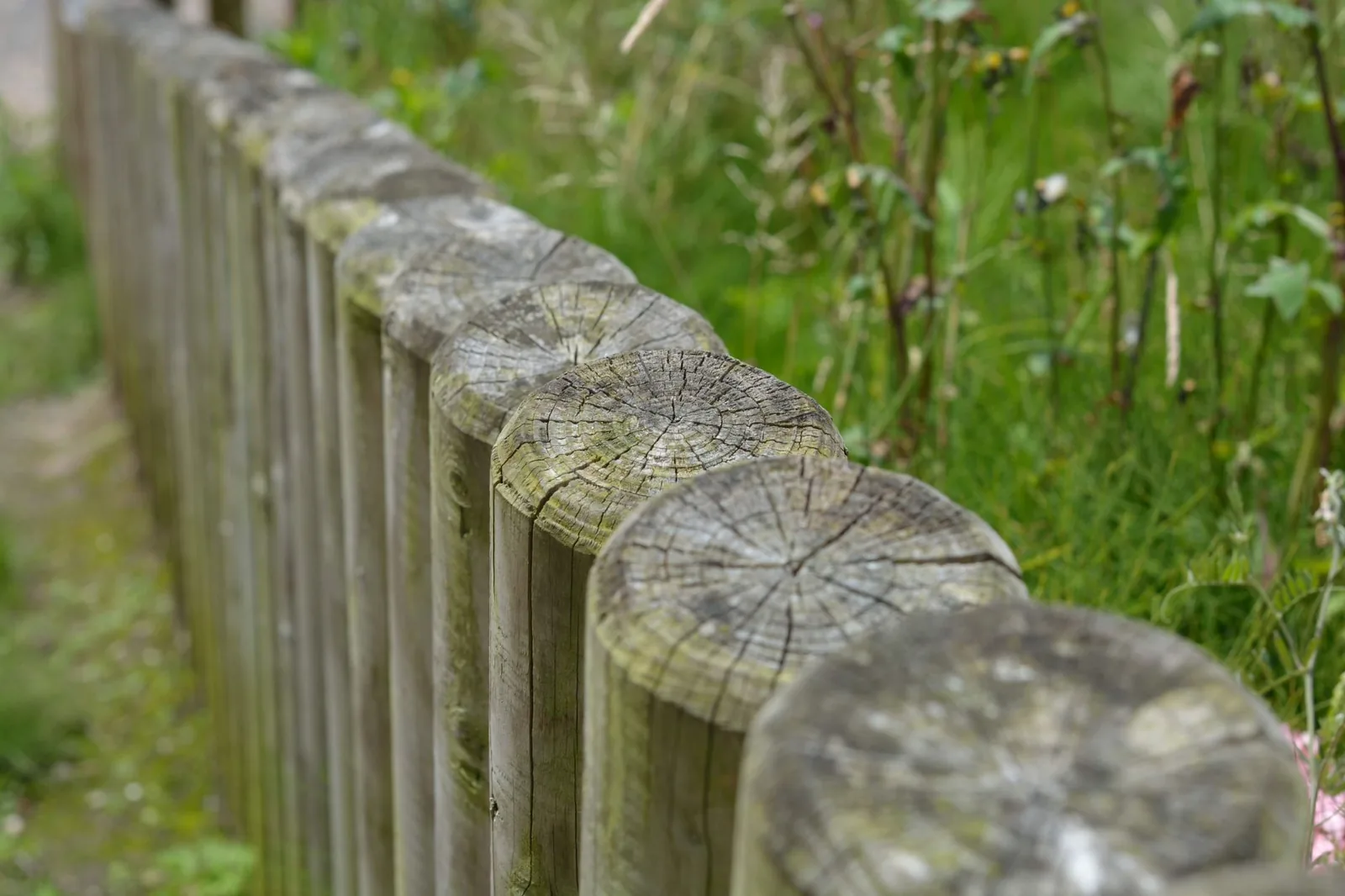
Photo by Marian Florinel Condruz via Pexels
One number overrides the one-third rule every time: the frost line.
Working Around the Frost Line
The frost line — also called frost depth — is the depth to which the ground freezes in winter. If the base of your post sits above this line, the freezing soil can grip and lift the post, leaving you with a fence that rises out of the ground a little more each year and never sits level again. Set the bottom of the post at least 6 inches below the frost line, on top of a gravel base, and frost heave can’t get a purchase on it.
Frost depth varies widely by region, which is why a single “standard” post depth doesn’t exist. Here’s what the numbers look like across the U.S.:
| Region | Typical frost depth | Recommended post depth |
|---|---|---|
| Gulf Coast, Florida, South Texas | 0–6 inches | 18–24 inches |
| Southeast, Mid-Atlantic, lower Midwest | 12–20 inches | 24–30 inches |
| Northeast, upper Midwest | 30–48 inches | 30–42 inches |
| Northern Plains, northern Minnesota, Alaska | 48–60+ inches | 48–60+ inches |
Your local building department can tell you the exact frost depth for your area — most publish it on their website or will answer the question over the phone. When local code calls for a deeper hole than the one-third rule suggests, code wins. This Old House has a detailed walk-through of the full post-setting procedure if you’re building in a cold climate.
Fence Post Spacing: How Far Apart to Set Posts
For most residential wood, vinyl, and metal fences, posts go 6 to 8 feet apart, measured center to center. Eight feet on center is the standard for 6-foot privacy fences with horizontal rails, because an 8-foot rail is the length lumber comes in — fewer cuts and less waste. Six feet on center is the better choice when you want a sturdier fence, when you live somewhere windy, or when the fence will hold a lot of weight.
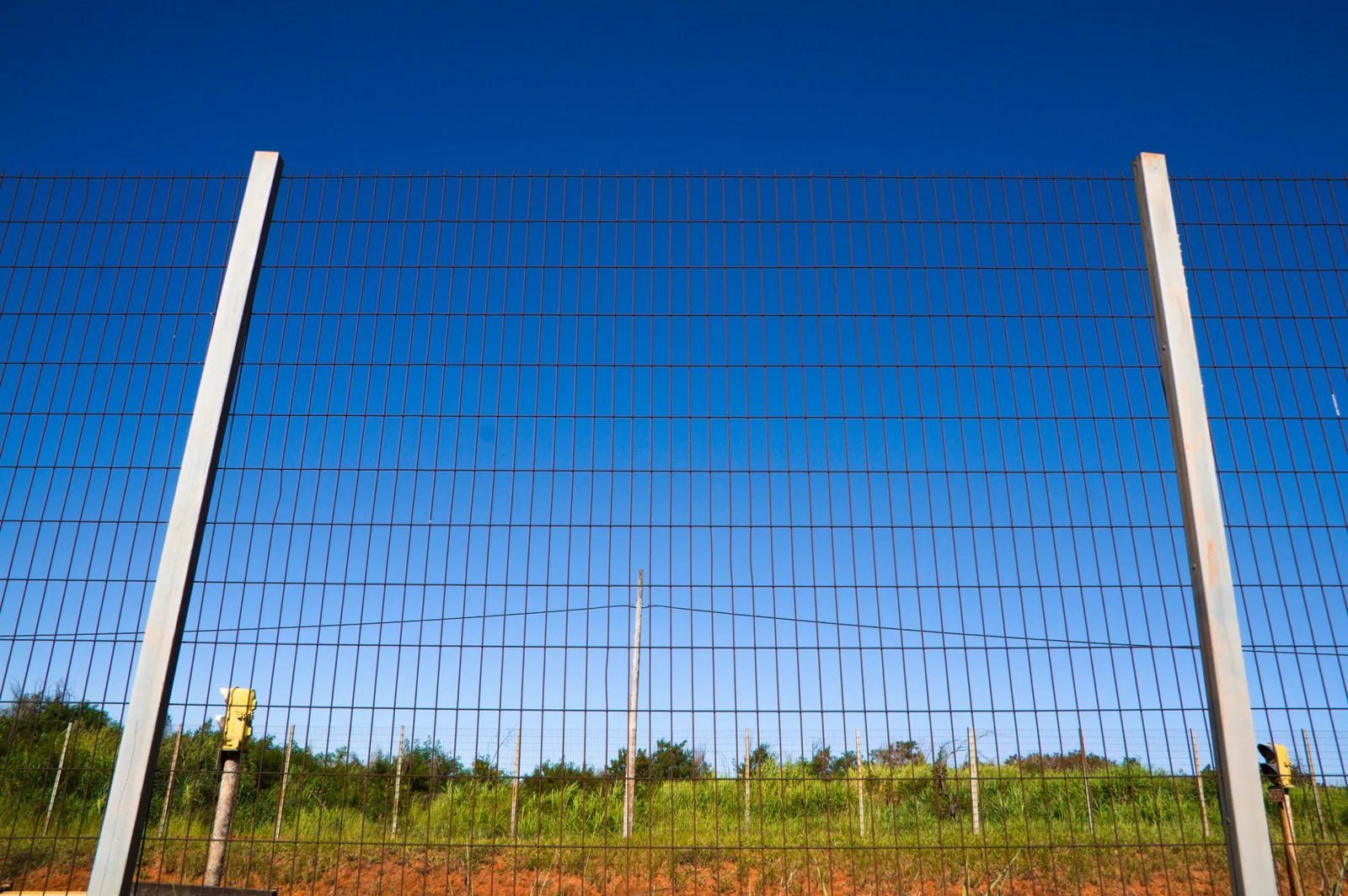
Photo by Z4Free Z4Free via Pexels
The right spacing depends on three things:
- Fence height. Taller fences catch more wind, so a 4-foot fence can usually span 8 feet, while an 8-foot privacy fence is safer at 6-foot spacing.
- Material. Vinyl panels are manufactured to specific widths — often 6 or 8 feet — and must be spaced to match. Wood is forgiving because you can trim rails to any length. Metal posts can usually span the full 8 feet.
- Wind exposure. If the fence sits on a ridge or an open lot, close the spacing to 6 feet and consider setting posts in more concrete.
Spacing guide:
- 4-foot picket or garden fence: 8 feet on center.
- 6-foot privacy fence: 8 feet on center (6 feet in windy areas).
- 8-foot privacy or sound fence: 6 feet on center.
- Fence with a gate: space posts to the gate’s exact opening width, plus hinge and latch clearance.
Post Size, Hole Diameter, and Concrete Mix
The post’s job is to hold the fence up; the hole’s job is to hold the post in the ground. A hole that’s too narrow doesn’t give the concrete enough surface area to grip, and a hole that’s too shallow lets frost do its thing.
Post sizes that match the job:
- 4×4 posts: fine for fences up to 6 feet tall and for most picket fences.
- 6×6 posts: the right call for 8-foot fences, corner posts, and any post carrying a gate.
- Steel posts (round or square): increasingly common for privacy fences; they don’t rot and span farther, often a full 8 feet.
Aim for a hole diameter roughly three times the post’s width. A 4×4 post wants a 10- to 12-inch-wide hole; a 6×6 post wants a 16- to 18-inch hole. Add 4 to 6 inches of gravel to the bottom of every hole for drainage, so water can’t pool around the base of a wood post and rot it.
For concrete, a 50-pound bag fills roughly 0.375 cubic feet. Count on this much per hole:
| Post | Hole (diameter × depth) | Concrete per hole |
|---|---|---|
| 4×4 | 10 in × 30 in | 1.5–2 bags |
| 4×4 | 12 in × 36 in | 2–3 bags |
| 6×6 | 16 in × 36 in | 3–4 bags |
Use a fast-setting concrete mix designed for posts — Quikrete Fast-Setting Concrete and Sakrete Fence Post Mix are the two you’ll see most — and follow the bag’s water directions. You can dump it in dry and add water on top, but mixing it first gives a stronger, more consistent set. Bob Vila’s fence-post tutorial covers the dry-pour technique in detail if you’d rather skip the wheelbarrow.
How to Set a Fence Post Step by Step
- Mark and dig. Dig a hole to your target depth plus 4 to 6 inches for gravel, and make it about three times the post’s width. A post-hole digger handles 4×4 posts; a two-person auger or a rented power auger makes faster work of deep or numerous holes.
- Add gravel. Tamp 4 to 6 inches of gravel into the bottom. This drains water away from the post base.
- Set the post. Drop the post in, then brace it plumb with a level on two adjacent faces. Use temporary stakes and scrap lumber to hold it while the concrete sets.
- Pour concrete. Fill around the post with concrete, and slope the finished surface slightly away from the post so rain runs off rather than pooling against the wood.
- Check for plumb and line. Before the concrete sets, re-check that the post is plumb and that its face lines up with your string line. You have 20 to 40 minutes with fast-setting mixes.
- Let it cure. Leave braces on for 24 hours, and don’t hang rails or panels until the concrete has set per the bag’s instructions.
If you want the full build, from layout through rails and pickets, our guide to building a wooden fence walks through the whole job.
Mistakes That Make Fence Posts Fail Early
Most leaning fences aren’t caused by bad lumber — they’re caused by one of these:
- Holes above the frost line. The single biggest cause of posts heaving out of the ground in cold climates. Always dig below the frost line.
- Too little concrete, or concrete in a too-narrow hole. A skinny plug of concrete doesn’t have enough surface area to resist wind load.
- Skipping the gravel base. Water pools at the base of a wood post and rots it from the bottom up — even pressure-treated posts eventually give out.
- Setting posts in loose backfill instead of concrete. Dirt tamped around a post shifts and loosens over time. Concrete is what keeps a privacy fence from leaning.
- Spacing posts too far apart for the wind load. On an exposed lot, 8-foot spacing can let a tall fence rack and lean in a storm.
Frequently Asked Questions
How deep should a fence post be for a 6-foot fence?
Dig the hole 24 to 30 inches deep, or at least 6 inches below your local frost line, whichever is deeper. Use an 8-foot post so roughly 2 feet sits in the ground.
How far apart should fence posts be?
Six to eight feet apart, measured center to center, is standard. Use 8 feet for a 6-foot wood or metal privacy fence, and tighten to 6 feet for taller fences, windy sites, or when the fence carries extra weight.
Do fence posts need concrete?
For a privacy fence, yes. Concrete resists wind load and keeps posts from leaning. Short, low-wind garden or picket fences can sometimes be set in tamped gravel or soil, but concrete is the safe default for anything 6 feet or taller.
How many bags of concrete per fence post?
One and a half to two 50-pound bags for a typical 4×4 post in a 10-inch-wide, 30-inch-deep hole. A 6×6 post in a deeper, wider hole needs three to four bags.
Can I use 8-foot post spacing for a 6-foot vinyl fence?
Only if the vinyl panel system is designed for it. Vinyl panels come in fixed widths, so match your post spacing to the manufacturer’s panel width — usually 6 or 8 feet — and follow their installation specs rather than forcing a wider span.
The Bottom Line
Fence post depth and spacing aren’t the exciting part of a fence project, but they’re the part that determines whether the fence is still standing straight five years from now. Bury posts one-third of their height — and always below the frost line — with a gravel base and the right amount of concrete in a hole three times the post’s width. Space posts 6 to 8 feet on center, closer for tall or wind-exposed fences, and set gate and corner posts deeper than the rest.
Get these two numbers right and the rest of the build is forgiving. If you’re still weighing materials, our vinyl vs. wood fence comparison breaks down the costs, and our privacy fence ideas gallery has designs that put solid posts to good use.